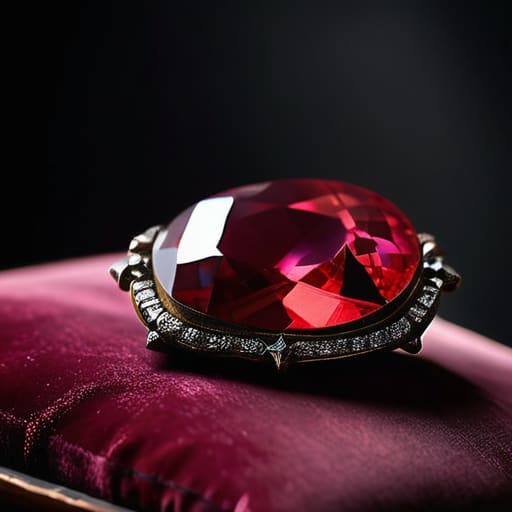
I remember sitting in a cramped, fluorescent-lit lab in Bergen, squinting through a loupe until my eyes ached, staring at a stone that looked like a drop of blood caught in a tide pool. It had that deep, saturated red—the kind of color you only see when a pebble is completely submerged in seawater—and the client was certain they were holding a royal ruby. But the chemistry didn’t lie; it was magnesium aluminum oxide, not chromium-doped corundum. It’s a bit absurd when you think about it, the sheer scale of the history involving spinel and the centuries it spent mistaken for ruby, where some of the most famous gems in crown jewels were actually just much more misunderstood neighbors.
I’m not here to sell you on some mystical energy or tell you that a stone can change your destiny. What I am going to do is give you the actual science behind why this mistake happened for so long and, more importantly, how you can tell the difference yourself. I’ll show you the structural tells and the way the light plays through the crystal, so you can stop paying for a name and start buying for the stone itself.
Understanding Spinel and the Centuries It Spent Mistaken for Ruby
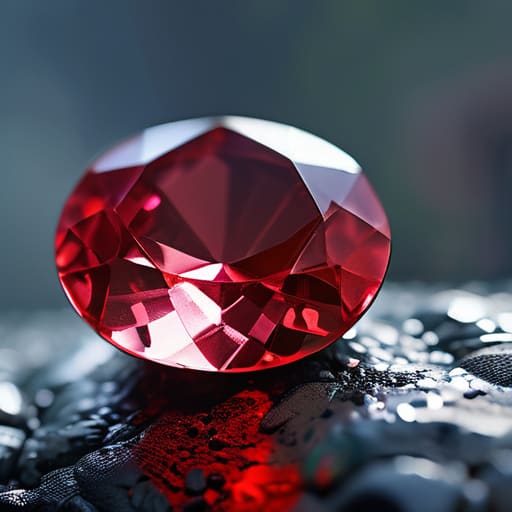
For hundreds of years, kings and queens wore stones they thought were rubies, only for us to find out later they were actually spinel. It wasn’t because they were being cheated, though; it was simply because spinel can be just as vibrant. Take the Black Prince’s Ruby history as an example. That massive, dark red stone sitting in the British Imperial State Crown has been called a ruby for centuries, but modern testing shows it’s actually a spinel. It has that deep, saturated color—the kind that looks like a bruised cherry left in a rain puddle—which is enough to fool even the most seasoned eye.
The reason for this red gemstone misidentification comes down to the chemistry. While both stones can look identical to the naked eye, the spinel crystal structure vs corundum is where the truth hides. Rubies are made of corundum, while spinel is a magnesium aluminum oxide. If you put them under a microscope, you’ll see different ways they handle light and inclusions. I’ve spent enough hours peering through a loupe to know that while the history is grand, the real magic is in the mineralogy.
Key Things to Know
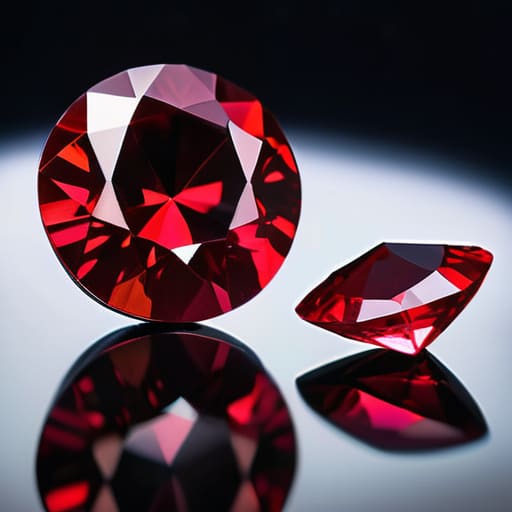
If you’re looking at a red stone and wondering if you’ve found a treasure or a trick, you need to look past the color. Most people get tripped up by the red gemstone misidentification because, frankly, a high-quality spinel can look just as vibrant as a ruby. But the science tells a different story. While a ruby is a variety of corundum, spinel has a completely different spinel crystal structure vs corundum, which changes how it handles light. If you hold them both up, a ruby often feels “heavier” in its glow, whereas a spinel has a certain crispness to it.
One of the quickest ways to tell them apart under a loupe is to check the inclusions. Rubies often have those tiny, needle-like crystals inside, while spinel tends to be cleaner or shows different types of fractures. You can also look at the refractive index of spinel; it’s slightly lower than a ruby’s, meaning the way it bends light is just a bit more subtle. It’s not a massive gap, but once you know what to look for, the stone starts to reveal its true identity.
Practical Tips and Steps
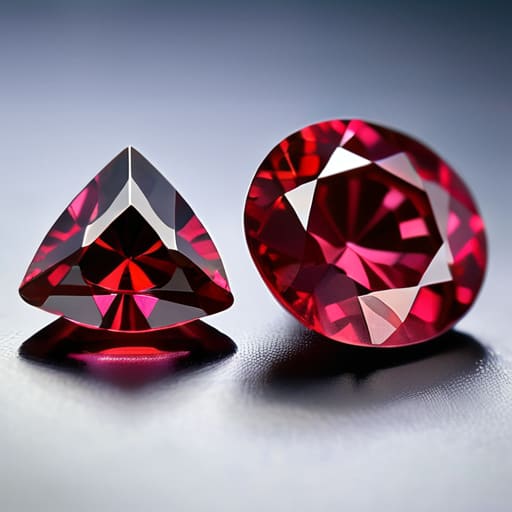
If you’re sitting at a jeweler’s counter or staring at a stone online, don’t panic. You don’t need a lab to spot a potential red gemstone misidentification, but you do need to look closer than most people do. Grab a 10x loupe. While both stones can look like a deep, crushed-berry red, I always look at the inclusions first. Rubies, being corundum, often show tiny needle-like crystals or “silk” inside them. Spinel is cleaner, often looking more like a clear pool of water, though it can have tiny, angular grains.
If you want to get technical, the real giveaway lies in the spinel crystal structure vs corundum. Spinel belongs to the isometric system, which means it often forms perfect, sharp-edged octahedrons. If you see a stone that looks like it grew in a very tidy, geometric way, your instincts should lean toward spinel. While I can’t tell you whether to buy it or not, knowing the refractive index of spinel versus ruby is how the pros settle the debate. If the light behaves a certain way, you’ll know if you’re holding a legend or just a very beautiful imposter.
Common Mistakes to Avoid
The biggest mistake I see is people assuming that a “red gemstone” is automatically a ruby just because it looks expensive. If you’re browsing a market or an online shop, don’t fall into the trap of ignoring the subtle clues. A lot of people get caught up in the history of precious gemstones and assume that anything with a royal pedigree must be a ruby, but that’s exactly how the Black Prince’s Ruby history became so complicated. You might be holding a spectacular spinel, thinking you’ve found a bargain, only to realize later you were actually looking for something else entirely.
Another pitfall is relying solely on your eyes. Even with a good loupe, the gemological differences between spinel and ruby can be incredibly subtle to the untrained eye. I’ve seen collectors get obsessed with color saturation and forget to check the crystal habit. If you see hexagonal-looking crystals that seem a bit too perfect, take a breath. You can’t always trust a visual inspection alone; sometimes you need to look at the spinel crystal structure vs corundum to truly know what’s sitting in your palm.
Final Thoughts
At the end of the day, whether you’re holding a piece of corundum or a magnesium aluminum oxide, the stone doesn’t care what you call it. My job is simply to help you navigate the red gemstone misidentification that has plagued collectors for hundreds of years. I don’t want you to feel cheated by a label; I want you to understand the chemistry of what is sitting in your palm.
If you find a stone that looks like a sunset over a wet granite cliff, take a moment to look closer. Understanding the spinel crystal structure vs corundum might feel like a lot of technical homework, but it’s the only way to truly know your treasure. Once you understand the science, the mystery doesn’t vanish—it just becomes more grounded.
Whether you are chasing the prestige of the Black Prince’s Ruby history or you just love a bright, red spark of light, buy what makes you happy. Just make sure you know exactly what you’re paying for.
## A lesson in looking closer
For hundreds of years, spinel sat in royal crowns and heavy gold settings, passing itself off as ruby without a hint of guilt. It wasn’t a lie, really; it was just a case of people seeing the red they wanted to see. To me, a spinel is just a magnesium aluminum oxide with a crystal structure that happens to be as beautiful as any ruby, and if you can learn to see it for what it actually is, you stop paying for a name and start appreciating the stone.
Dagny Solheim
Final Thoughts
At the end of the day, knowing the difference between a spinel and a ruby comes down to looking past the surface. We’ve talked about the chemistry—how spinel is a magnesium aluminum oxide and lacks the chromium-driven red of a true ruby—and we’ve looked at the physical tells, like the way a spinel’s cleavage or crystal habit behaves under a loupe. It’s easy to get caught up in the price tag, but if you remember to check the refractive index and look for those specific crystal shapes, you won’t be fooled. Whether you are buying for investment or just because you love a certain shade of red that looks like wet pomegranate seeds, knowing the mineralogy ensures you aren’t paying for a name that doesn’t belong to the stone in your hand.
There is something deeply satisfying about holding a stone that has spent hundreds of years being mislabeled by history. For centuries, these spinels sat in crowns and royal collections, masquerading as rubies, and they did so with immense dignity. I don’t think a stone loses its value just because it was misidentified; if anything, the history makes it more interesting. Whether you see it as a geological marvel or a piece of spiritual grounding, a spinel is its own magnificent thing. Own the stone for what it is, not for the label it was once forced to wear.
