I remember sitting in a cramped grading lab in Bergen, squinting through a loupe at a parcel of sapphires that looked like deep, midnight ocean water under the halogen lamps. Then, a colleague moved them toward the window, and suddenly they were a bright, electric cornflower blue—the color of the North Sea right after a heavy rain. It’s a frustrating reality for most collectors: you fall in love with a piece under a shop’s bright LED display, only to get it home and realize it looks dull or even muddy. People often think they’ve been sold a fake, but more often than not, they just don’t understand how lighting changes the colour you see in a stone.
I’m not here to sell you on “energetic shifts” or any of that mysticism. My goal is much simpler: I want to give you the actual mechanics of what is happening to the light as it hits the mineral lattice. I’ll explain why your stone behaves this way and how you can test it yourself before you hand over your hard-earned money. I’ll show you what to look for so you can stop worrying about being cheated and start enjoying what you actually own.
Understanding How Lighting Changes the Colour You See in a Stone
To understand why a stone shifts, you have to stop thinking of light as a single thing and start seeing it as a messy soup of different energies. Sunlight is a full spectrum, containing every color of the rainbow, while your warm living room bulbs are mostly missing the blue end of the scale. When light hits a mineral, the atoms inside decide which specific wavelengths they want to swallow and which they want to bounce back to your eye. This is essentially light wavelength and mineral absorption at work. If a stone is hungry for red light but rejects blue, it’s going to look quite different under a fluorescent tube that lacks that red energy.
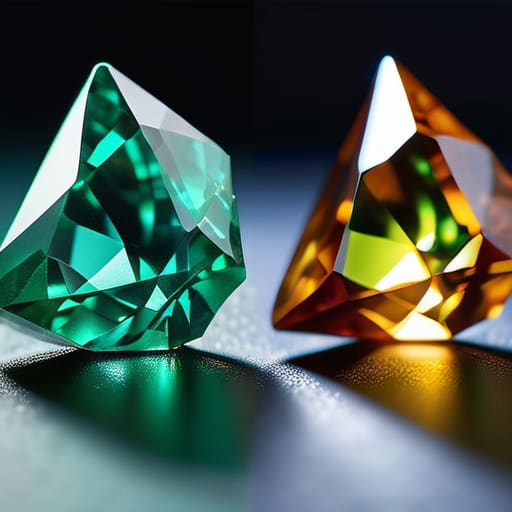
It isn’t just about what the light is missing, though; it’s about how the stone’s chemistry reacts to the specific “flavor” of the light hitting it. This is where you run into metamerism in gemstones. You might find two stones that look identical under the bright, clinical LEDs of a grading lab, but the moment you walk outside into the afternoon sun, one turns a deep forest green while the other stays a muddy teal. The stone hasn’t changed, but the way it interacts with the light’s composition has.
Key Things to Know
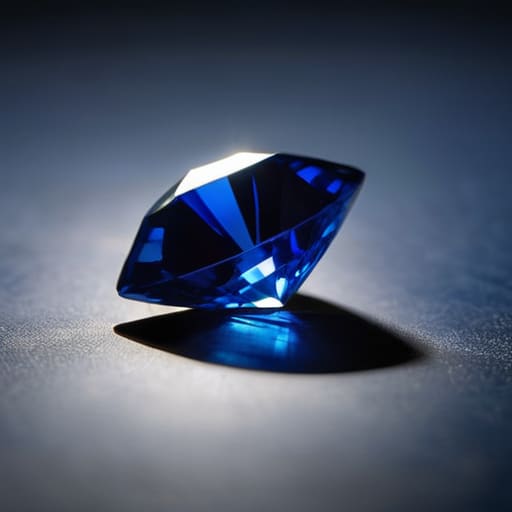
First, you need to understand that light isn’t just one thing; it’s a messy mix of different energies. When we talk about the spectral composition of light, we’re really talking about the ingredients that make up white light—reds, blues, greens, and everything in between. A gemstone is essentially a filter. It absorbs certain wavelengths and lets others pass through or bounce back to your eye. If your light source is missing the “blue” ingredient, like a dim, warm tungsten bulb, your sapphire is going to look much more teal or even muddy than it would under a bright midday sun.
You should also be aware of metamerism in gemstones, which is a fancy way of saying two stones can look identical under one lamp but completely different under another. I’ve seen many people panic because their emerald looks “wrong” in their living room, only to find it’s spectacular outside. It isn’t a flaw in the stone; it’s just the way the mineral is interacting with the specific light available. It’s less about the stone changing and more about the light finally showing its true colors.
Practical Tips and Steps
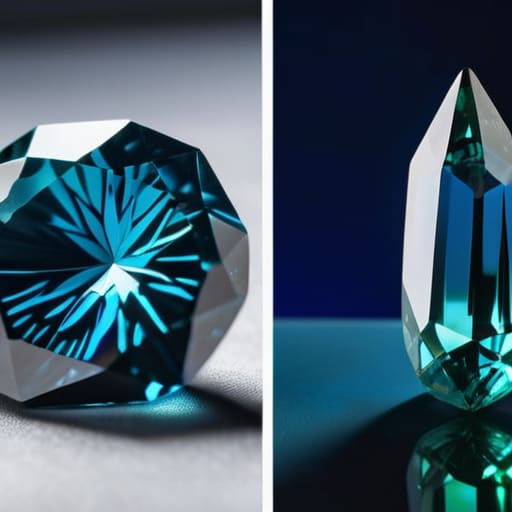
If you’re looking to buy something significant, don’t settle for a single photo taken under a shop’s LED spotlight. Those lights are designed to make everything look saturated and perfect, but they’re lying to you. I always tell my clients to ask for a video of the stone in natural sunlight—ideally near a window—and then another one under a standard indoor lamp. This helps you spot metamerism in gemstones, where a stone might look like a deep, Atlantic-blue sapphire in the sun but shifts to a muddy, greenish-grey the moment you step inside.
When you get a stone home, do your own testing. Take it outside during the day, then bring it into a room with warm, yellow bulbs. If the color shifts so much that you don’t recognize it, you need to understand why. It’s usually down to the light wavelength and mineral absorption; different minerals soak up different parts of the spectrum. I’ve seen stones that look like bright seawater in the morning and dark, heavy kelp by dinner time. Knowing this isn’t about being cynical; it’s just about knowing exactly what you’re holding.
Common Mistakes to Avoid
The biggest mistake I see is people making a massive purchase based solely on a single, high-glare photo taken under studio lights. Those shots are designed to make everything pop, but they are a lie. A stone might look like a deep, ocean-blue sapphire in a professional studio, but once you get it home under your warm living room lamps, it might look like a muddy, dark teal. This happens because of metamerism in gemstones—the way different light sources trigger different color responses from the minerals. If you aren’t seeing the stone in at least two different environments, you don’t actually know what color you’re buying.
Another trap is confusing a genuine color change with a lighting shift. I’ve had clients come to me panicked because their stone “changed” overnight. If you have something like an alexandrite, you’re seeing a legitimate color change phenomenon caused by how the crystal absorbs specific light wavelengths. But if it’s just a standard quartz, it’s likely just the difference between the blueish tint of a cloudy morning and the yellow soak of a sunset. Don’t mistake a change in the room’s atmosphere for a change in the stone’s chemistry.
Final Thoughts
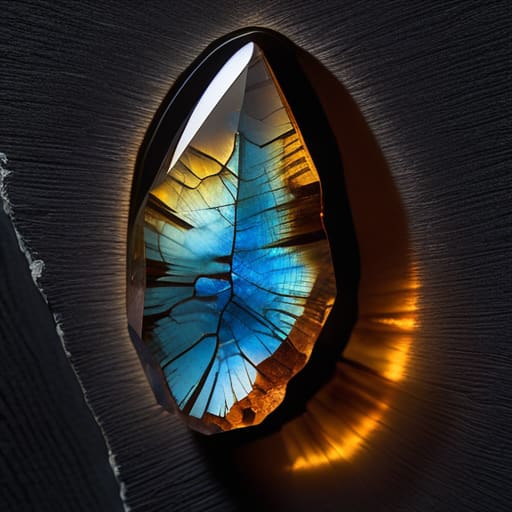
At the end of the day, a stone isn’t a static thing. It’s a piece of chemistry interacting with the world around it. Whether you’re holding a piece of labradorite or a deep blue sapphire, you have to accept that the stone is constantly “negotiating” with the light hitting it. You might see one version of a gem under the warm glow of a lamp and something entirely different when you step outside into the cool, blue morning air. This isn’t a flaw in the stone; it’s just how light wavelength and mineral absorption work together.
Don’t let it frustrate you. If you buy a stone because it looked spectacular under a jeweler’s spotlight, just remember that you’re buying a dynamic object. If you’re looking at something more complex, like the dramatic color change phenomenon in alexandrite, you’re seeing science in action. My advice? Test your stones in as many environments as you can. Once you understand that the color is a conversation between the mineral and the light, you’ll stop feeling cheated and start enjoying the shifting personality of your collection.
The Truth in the Light
A stone isn’t a static thing; it’s a conversation between the mineral and the light hitting it. You might buy a sapphire that looks like the deep, bruised blue of the North Sea under a jeweler’s lamp, only to find it looks like a washed-out puddle once you get it home under your warm living room lights. That doesn’t mean the stone is bad or that you’ve been swindled—it just means you finally learned how it actually lives in the world.
Dagny Solheim
The Last Word on Light
At the end of the day, you have to remember that a gemstone doesn’t exist in a vacuum; it exists in a room, under a lamp, or out in the wind. We’ve talked about how the Kelvin scale matters, how a warm tungsten bulb can make a pale sapphire look like it’s been dipped in a deep, dark ocean, and how daylight can strip away the warmth of a garnet until it looks almost black. Don’t let a sudden shift in hue spook you into thinking you’ve bought a fake. If you understand the relationship between the light source and the mineral’s chemistry, you won’t be caught off guard when your stone shifts its personality between your office desk and your living room.
I know there is a lot of talk out there about the “energy” of stones, and while I tend to stick to my loupe and my mineral charts, I understand why people seek them out. Whether you are looking for a specimen with perfect geological clarity or something that makes you feel a certain way when the sun hits it, the light is what brings the stone to life. A stone is just a piece of the earth’s history until you hold it up to the light and actually see what it is. So, go ahead and find the light that makes your stone sing—just make sure you know exactly what you’re looking at when it does.
