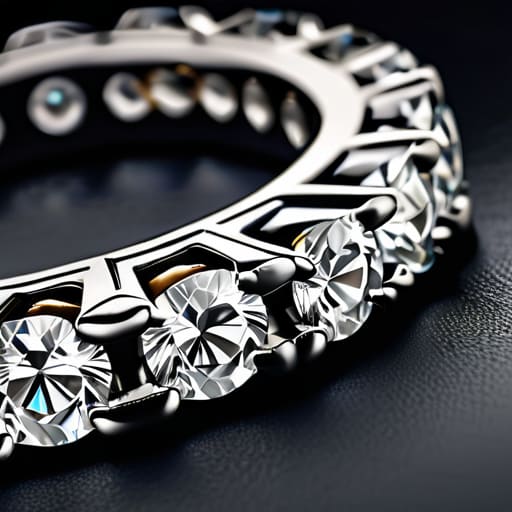
I remember sitting in the lab back in Bergen, squinting through a loupe at a tray of diamond eternity bands that had been sent in for a “quality check.” The jeweler was frantic, claiming the stones were “eternally secure,” but as I leaned in, I saw the truth: a microscopic gap between the girdle of one stone and the next, a space that looked like a tiny, dark crevice in a wet granite cliff. It’s the same marketing nonsense I see online every day—people selling you the idea of forever while ignoring the actual mechanics of how eternity bands and how securely the stones sit are physically joined. A stone isn’t held by magic or “intent”; it is held by metal, tension, and the precision of a setter’s hand.
I’m not here to sell you a dream or tell you which brand is “destined” for your soul. My goal is much more practical. I’m going to walk you through the different setting styles—from pavé to channel—so you can see exactly where the points of failure are before you hand over your money. I’ll show you how to spot a setting that’s built to last versus one that’s just designed to look good under a showroom light. Once you know the science of the setting, what you choose to wear is entirely up to you.
What the Metal Says About Eternity Bands and How Securely the Stones Sit
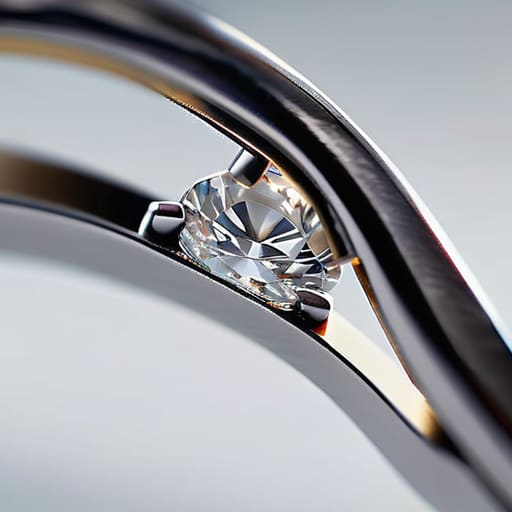
When I look at a ring under the loupe, I’m not just looking at the stones; I’m looking at the metal holding them in place. The metal is the skeleton. If you’re choosing between platinum and gold, you aren’t just picking a color that matches your skin; you’re choosing how much “give” the ring has. Platinum is dense and heavy, almost like a wet pebble from a shoreline, and it has a way of displacing rather than snapping. This makes it the best metal for secure stone setting because when it’s bumped, the metal tends to move around the stone rather than tearing away.
Gold is softer, which is fine for a simple band, but if you are looking at something with a complex micro-pave setting stability, you have to be more careful. In a channel setting, the metal walls act as a physical barrier, which is great for preventing gemstone loss in eternity rings during daily life. However, if the metal is too thin or the alloy is low-quality, those walls can wear down over years of friction. I always tell people to check the thickness of the sidewalls; if they look spindly, those stones aren’t staying put for long.
Prong vs Channel Setting Durability the Truth About What Holds Fast
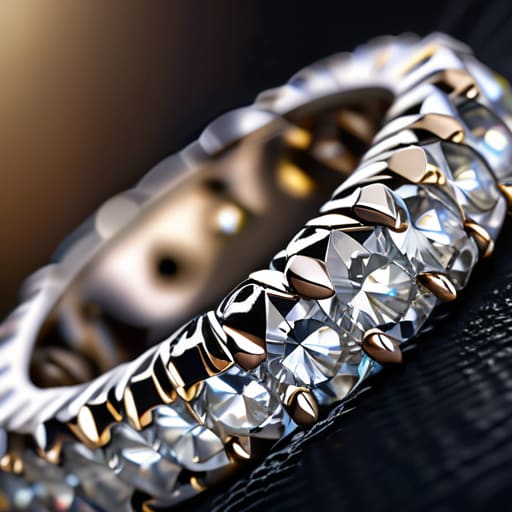
When you look at an eternity band, you’re usually deciding between two very different ways of keeping those stones from wandering off. A prong setting—often seen in micro-pave styles—uses tiny metal claws to grip the edges of each stone. It’s beautiful because it lets light hit the facets from all sides, but it’s a trade-off. Because those claws are small, they can wear down or snag on a sweater, which is the main thing to watch for when preventing gemstone loss in eternity rings. If a claw bends, the stone is gone.
Then you have the channel setting, where the stones are tucked into a continuous groove in the metal. This is much more about the structural integrity of diamond bands than pure flash. Since the metal walls wrap around the sides of the stones, there are no prongs to catch on anything or snap off. It feels more solid on the finger, though you lose that side-light. I tend to lean toward the channel for daily wear; it’s less about the drama of the sparkle and more about knowing the stone isn’t going to end up at the bottom of a fjord because of a loose clip.
The Fragile Illusion of Micro Pave Setting Stability
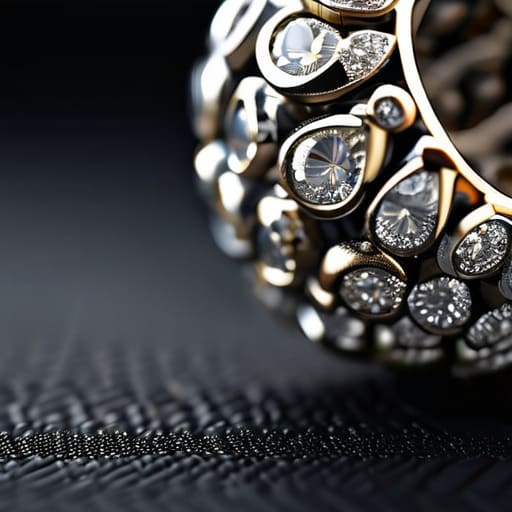
Micro-pave is beautiful, I won’t deny that. When you look at a band encrusted with tiny stones, it looks like a solid stream of light, almost like the way sunlight hits the North Sea just after a storm—that shimmering, unbroken surface. But from a gemmologist’s perspective, that “solid” look is a bit of a trick. In a micro-pave setting, each tiny stone is held by minuscule beads of metal, often no larger than a grain of sand. Because these beads are so small, they don’t offer the same structural integrity of diamond bands you’d find in a more traditional setting.
The problem is that these tiny metal grains are prone to wearing down or snagging on things like sweaters or even your own hair. Once one bead fails, you don’t just lose one stone; you often see a “domino effect” where the surrounding stones start to loosen. If you are looking for long-term security, you have to realize that micro-pave setting stability is inherently lower than other methods. It’s a high-maintenance choice, and if you go this route, you’ll need to be diligent about checking the stones regularly.
Ensuring the Structural Integrity of Diamond Bands Stays Intact
Once you’ve picked a setting that suits your style, the real work begins with how you treat the piece. I’ve spent enough time looking through a loupe to see how even the most expensive platinum can eventually succumb to “wear and tear”—which is really just a polite way of saying the metal is thinning out. To maintain the structural integrity of diamond bands, you can’t just tuck them in a jewelry box and forget they exist. You need to check them. Every few months, I take a look at my own rings to see if any prongs have become thin or if the metal around a channel setting is starting to look rounded or soft.
If you want to focus on preventing gemstone loss in eternity rings, the best thing you can do is be proactive rather than reactive. A tiny nick in a prong might look insignificant, but it’s the difference between a ring that lasts a lifetime and one that ends up as a pile of loose stones on the floor. If a stone feels even slightly loose when you tap it, take it to a professional immediately. It’s much cheaper to have a jeweler tighten a setting than it is to replace a diamond that’s gone missing.
Choosing the Best Metal for Secure Stone Setting and Longevity
When you’re looking at the metal, don’t just think about the colour or the price tag; think about how much work that metal has to do. If you’re choosing between platinum and gold, you aren’t just picking a shade of yellow or white. Platinum is dense and “greys” over time as it develops a patina, but it’s incredibly forgiving because it displaces rather than chips. When a prong gets bumped, it stays there. Gold, especially the 18k variety, is much softer. It’s beautiful, but it wears down. If you’re worried about preventing gemstone loss in eternity rings, you have to account for that gradual thinning of the metal over years of daily wear.
I always tell people that the best metal for secure stone setting is the one that matches your lifestyle. If you’re someone who works with your hands or is constantly hitting your ring against things, a harder alloy or platinum is your best bet for maintaining the structural integrity of diamond bands. A softer metal might look stunning when it’s brand new, but if the prongs start to migrate or flatten, those stones aren’t staying put for long. It isn’t about being precious; it’s about making sure the physics of the ring actually hold up.
Preventing Gemstone Loss in Eternity Rings Before It Happens
I’ve spent enough hours under a microscope to know that even the most well-crafted piece of jewelry is subject to the physics of daily life. You don’t lose a stone because of a curse; you lose it because a microscopic scratch in the metal finally gave way. One of my most important eternity band maintenance tips is simply to stop treating your ring like a piece of armor. If you’re wearing a band with delicate micro-pave settings, avoid the gym or the garden. Those tiny beads of metal are holding your stones in place, and a single heavy impact against a granite countertop can be enough to compromise the whole thing.
Instead, make a habit of the “visual check.” Once a month, sit down with a good loupe—or even just a strong magnifying glass—and look at the stones. You aren’t looking for spiritual energy; you are looking for movement. If a stone looks slightly tilted or if the metal around it looks thin or worn, it’s time to take it to a professional. Catching a loose stone early is much cheaper than trying to find a lost diamond in the grass after a weekend hike.
Practical Eternity Band Maintenance Tips for the Long Haul
If you’ve invested in a piece that wraps stones all the way around, you can’t treat it like a standard solitaire. I always tell people to think of their ring like a piece of precision machinery. Because the stones are so tightly packed, even a tiny amount of grit or dried soap can act like sandpaper against the metal. I make it a habit to check my settings under a loupe every few months; I’m looking for any tiny gaps or “shimmer” that looks off, which usually means a stone is wobbling. Keeping an eye on the structural integrity of diamond bands isn’t about being paranoid—it’s just good stewardship of the mineral.
When it comes to cleaning, skip the ultrasonic cleaners if you have a delicate pavé or channel setup. The vibrations can be a nightmare for micro-pave setting stability. Instead, use a soft brush and warm, soapy water. It sounds basic, but it’s the most effective way of preventing gemstone loss in eternity rings. If you notice a prong looking slightly thinner or a stone sitting even a fraction of a millimeter lower than its neighbors, take it to a professional immediately. It’s much cheaper to tighten a setting than to hunt for a lost stone in the sand.
## The reality of the ring
An eternity band is a beautiful bit of geometry, but you have to remember that every single stone is a tiny, independent weight held in place by a thin wall of metal. I don’t care if you wear it for luck or for love, but I do care that you know exactly how much pressure it takes to turn a secure setting into a lost stone.
Dagny Solheim
A final look at the mechanics
At the end of the day, an eternity band is a feat of engineering as much as it is a piece of jewelry. We’ve looked at how a heavy platinum setting provides a different kind of security than a delicate gold wire, and why a channel setting often beats out micro-pave when it comes to the actual physical reality of daily wear. Whether you are choosing a robust prong setting or a sleek, protective channel, the goal is the same: ensuring the mineral stays exactly where it was placed. I’ve spent enough time looking through a loupe to know that the best setting is the one that doesn’t require constant anxiety. If you understand the metal, the mechanics, and the way the stones are gripped, you won’t be caught off guard by a loose gem.
Whether you bought this ring because you love the way the light hits the facets, or because it holds a specific sentimental weight for you, that is your prerogative. My job is simply to make sure you know the difference between a stone that is structurally sound and one that is merely a beautiful gamble. A ring is a collection of atoms and geometry, but once it’s on your finger, it becomes part of your story. Buy something that is built to last, so you can spend your time actually wearing it rather than constantly checking to see if it’s still there.