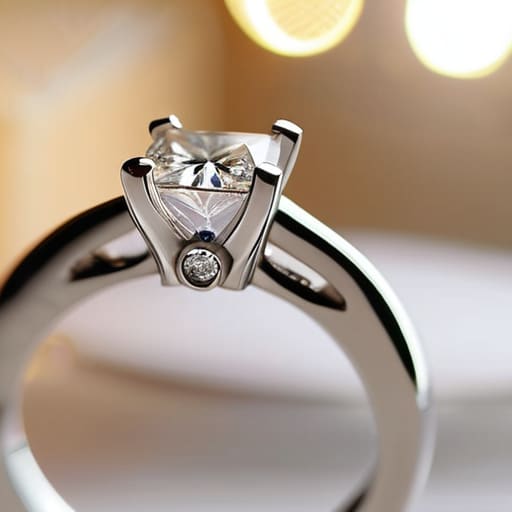
I spent six years hunched over a bench in a grading lab, looking through a loupe until my eyes felt like they were full of sand. I’ve seen enough high-end jewelry to know that the industry loves to use flowery language to mask a very simple, physical vulnerability. People get so caught up in the fire and brilliance of a diamond that they completely overlook the geometry, specifically regarding princess cut corners and why the setting matters. It’s not about “energy” or “aura”; it’s about the fact that a square stone has four points that are essentially structural lightning rods for impact. If you don’t protect them, that beautiful stone isn’t going to last through a single accidental bump against a granite countertop.
I’m not here to sell you a miracle or tell you which metal matches your soul. I’m going to tell you exactly how these stones are cut, why those sharp corners are prone to chipping, and how to choose a setting that actually does its job. I’ll show you the difference between a secure mounting and a beautiful disaster, so you can decide for yourself what kind of piece you want to live with.
Understanding Princess Cut Corners and Why the Setting Matters
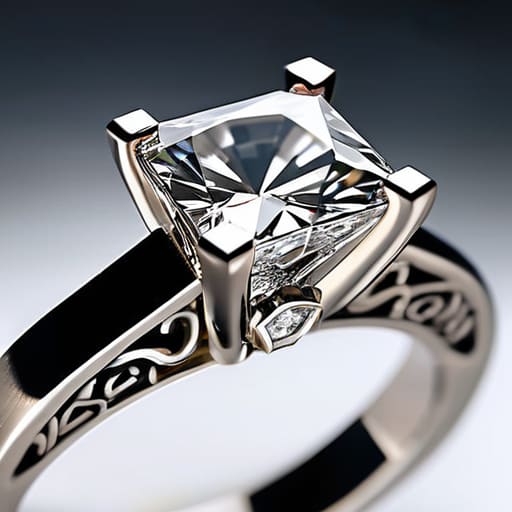
A princess cut is essentially a square-shaped brilliant, but that geometry comes with a specific structural vulnerability. Because the stone is cut with sharp, acute angles at the corners, those points are the most fragile parts of the entire gem. If you hit one of those corners against a granite countertop or a door frame, it doesn’t just scratch; it can chip or even shatter. When I was working in the lab, I saw more lost corners on princess cuts than almost any other shape. It’s why corner protection in jewelry design isn’t just a stylistic choice—it’s a necessity for anyone who actually intends to wear the ring.
To keep the stone intact, you have to look closely at how the metal interacts with those points. A common solution is a v-prong setting for princess cut diamonds, where a small notch of metal wraps around the tip to reinforce it. You might also see corner guards or additional prongs designed specifically for protecting square cut gemstones. If you’re choosing a metal, platinum or gold provide the heft needed to hold these shapes securely. Once you’ve secured the stone properly, it’ll last a lifetime, but without that extra support, you’re essentially playing a game of chance with your diamond.
Key Things to Know
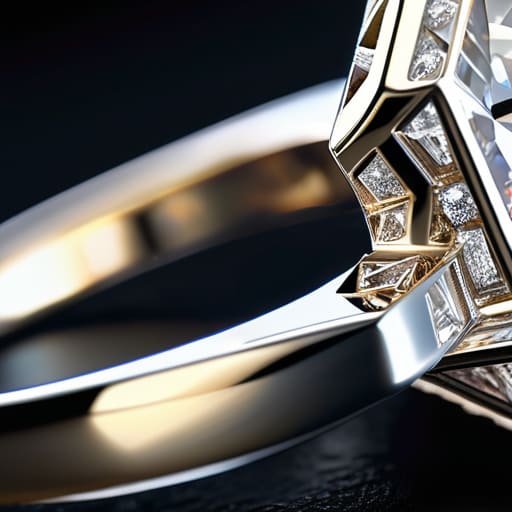
The first thing you need to grasp is the geometry of the stone itself. A princess cut is a square, but it’s a square with four razor-sharp points. Unlike a round brilliant, which distributes pressure across a curved surface, these corners are vulnerable. If you catch a corner on the edge of a countertop or a heavy door frame, it won’t just scratch; it can chip or even shatter. This is why corner protection in jewelry design isn’t just a stylistic choice—it’s a structural necessity.
When you’re looking at a ring, pay close attention to how those points are held. I often recommend a v-prong setting for princess cut diamonds because it acts like a little shield, wrapping around the most fragile part of the stone. It provides that extra bit of insurance against the daily bumps and scrapes of life. You might see people opting for thin, delicate prongs to show off more of the stone, but if you’re worried about princess cut engagement ring durability, you’ll want something a bit more substantial to keep those corners from snapping off.
Practical Tips and Steps
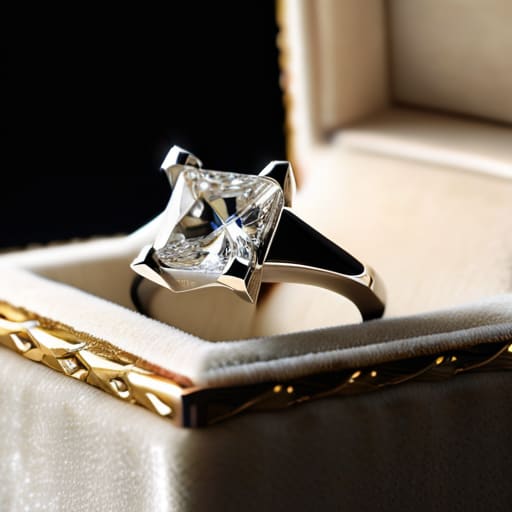
If you’re looking at a stone with these sharp, geometric edges, you need to think about physics, not just aesthetics. The most common mistake I see is a simple four-prong setting that leaves those corners hanging out in mid-air. To avoid a chipped stone, I always suggest looking for a v-prong setting for princess cut diamonds. These tiny V-shaped metal guards wrap around the points, acting like a little bumper against the world. It’s the most effective way of protecting square cut gemstones from the inevitable knocks that happen when you’re reaching into a bag or washing your hands.
When you’re choosing a ring, don’t just settle for the first design that catches your eye. If you want real princess cut engagement ring durability, pay attention to the metal weight around those corners. A thin, flimsy band might look delicate, but it won’t provide the structural support a square stone needs. I generally lean toward platinum or 18k gold for their heft, but the real secret is in the corner protection in jewelry design. If the jeweler can’t show you how they intend to shield those points, walk away.
Common Mistakes to Avoid
The biggest mistake I see is people treating a princess cut like it’s as sturdy as a round brilliant. It isn’t. Because of those sharp, geometric points, the corners are essentially “exposed” to the world. If you choose a setting that doesn’t prioritize corner protection in jewelry design, you are asking for trouble. I’ve seen too many people walk into a lab with a shattered stone because they hit a doorframe or a granite countertop. It’s not the diamond’s fault; it’s the lack of a buffer.
Another trap is skimping on the metal choice or the prong style to save a few kroner. If you’re looking at a high-quality stone, don’t settle for something flimsy. A v-prong setting for princess cut diamonds is one of the smartest moves you can make; it wraps around that vulnerable tip like a little shield. Also, avoid settings that leave the corners “floating” without any metal support. If you want actual princess cut engagement ring durability, you need to ensure those corners are tucked into something substantial. Once the stone is chipped, no amount of mysticism is going to fix the geometry.
Final Thoughts
At the end of the day, a princess cut is a marvel of geometry, but it’s a geometry with a built-in vulnerability. You aren’t just buying a stone; you’re buying a piece of crystal that needs a bit of structural help to survive a lifetime of bumping into doorframes and coffee mugs. Whether you opt for a heavy-duty platinum mounting or a delicate v-prong setting for princess cut stones, the goal is the same: don’t let those sharp points become the weak link.
I’ve seen too many beautiful stones end up as tiny piles of dust because someone prioritized a “minimalist” look over actual corner protection in jewelry design. If you want that ring to last, you have to treat it like any other high-value mineral—with a bit of practical respect. I’m not telling you how to live your life, but if you’re going to wear a square cut, make sure the metal is doing its job. Once you’ve secured those corners, the stone is yours to enjoy, and that’s the only part that really matters.
The reality of the cut
A princess cut is a beautiful, sharp-edged geometry, but those ninety-degree corners are essentially structural vulnerabilities waiting to happen; if your setting doesn’t wrap around them like a hand holding a delicate bird, you aren’t just risking a scratch, you’re risking the stone snapping right off at the point of most tension.
Dagny Solheim
The bottom line on your princess cut
At the end of the day, a princess cut is a marvel of geometry, but those sharp 90-degree corners are its Achilles’ heel. We’ve talked about why you can’t just slap this stone into a flimsy prong setting and hope for the best; if the metal doesn’t provide a protective buffer, you’re looking at a chipped corner within months. Whether you choose a V-prong to shield the points or a bezel to wrap the whole thing in a metal hug, the goal is the same: protecting the structural integrity of the stone. You’ve done the hard work of picking a diamond with good light performance and a clear color, so don’t let a poorly planned setting turn a beautiful investment into a pile of shards.
I know that for many of you, this stone isn’t just a collection of carbon and light; it’s a symbol, a memory, or something you wear to feel a certain way. I don’t care if you’re buying it for the way it catches the light or the way it makes you feel when you look in the mirror. My job is just to make sure that when you look at it, you’re seeing a stone that is whole and intact. Take the time to get the setting right, treat the stone with the respect its hardness deserves, and then go out and wear it. Once the physics are sorted, the rest is entirely up to you.
