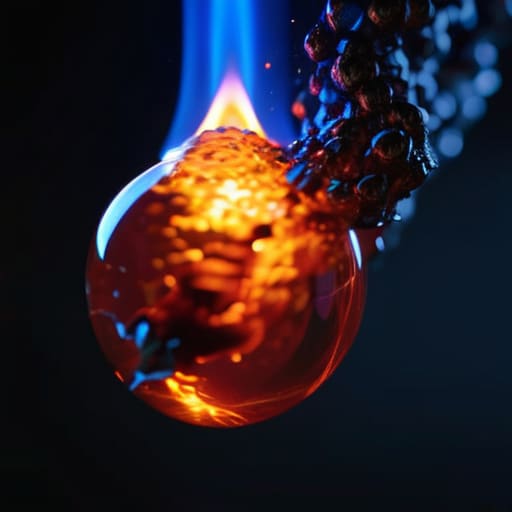
I remember sitting in a cramped grading lab in Bergen, the air smelling faintly of ozone and stale coffee, staring through a loupe at a stone that looked too perfect to be true. It had that vibrant, electric red—the kind of color that looks like a wet, crushed raspberry—but something felt off. People often get caught up in the mysticism of “energy” when they see a bright red stone, but the truth is usually much more mechanical. Most of what you see on the market isn’t a miracle of nature; it’s the result of flame fusion and the process behind most synthetic ruby. It isn’t magic, and it isn’t a scam either, but it is a very specific way of making a crystal that doesn’t care about geology.
I’m not here to tell you that a synthetic stone is “bad” or that it lacks soul. If you love the color and you love the price, buy it. My goal is simply to pull back the curtain on the industrial reality of how these stones are grown. I’ll explain exactly how that molten drip creates those tell-tale curved growth lines, so you can look at a ruby and know exactly what you’re holding. Once you can spot the difference between a geological history and a laboratory process, the choice is entirely yours.
The Alchemists Torch Flame Fusion and the Process Behind Most Synthetic Rub
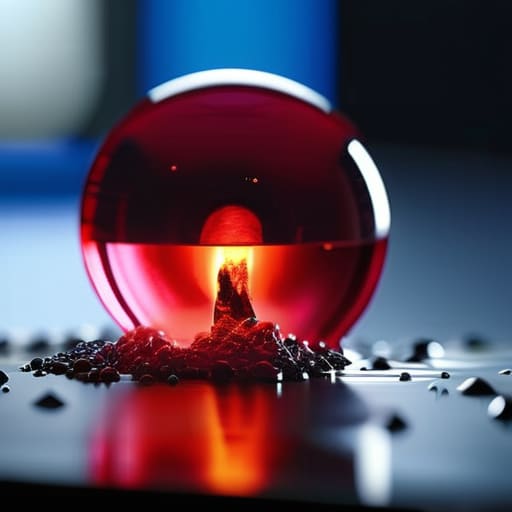
To understand how these stones come to be, you have to look at the Verneuil process explained in its simplest terms: it’s essentially controlled, high-speed melting. We start with high-purity aluminia powder, which is fed through a tiny orifice into a literal torch of oxygen and hydrogen. The heat is intense—enough to turn that powder into a liquid state instantly. As the molten droplets fall, they begin to solidify, building up a cylindrical crystal called a boule. It’s a bit like watching how a heavy rain turns a dusty road into a dark, slick surface, only here, the “rain” is molten corundum stacking itself into a solid form.
The speed of this gemstone lab-grown production method is exactly why it’s so common, but it’s also why the stones look the way they do. Because the crystal growth in flame fusion happens so rapidly, the internal structure is often far more “perfect” than anything pulled from a mountain. You’ll rarely see the complex, messy inclusions of a natural stone; instead, you get these clean, almost too-bright red specimens. If the color looks like a polished cherry that’s just been pulled from a cold stream, you’re likely looking at the work of a torch.
Melting the Dust the Alumina Powder Melting Process Unveiled
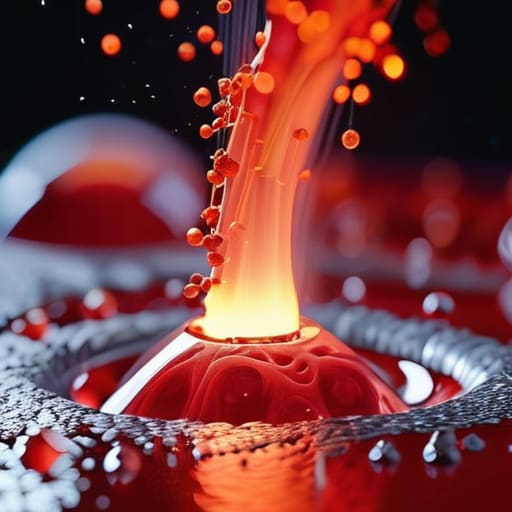
To understand how we get from a jar of white powder to a deep red stone, you have to look at the raw material. We start with high-purity alumina powder—it looks like fine, dry flour. In the Verneuil process explained simply, this powder isn’t just heated; it is dropped through an incredibly hot oxy-hydrogen flame. As the particles fall, they melt instantly. It’s a violent, precise little dance of physics where the powder transitions from a dry solid to a liquid droplet in a fraction of a second.
The magic, or the chemistry, happens as those droplets hit a “seed crystal” at the base of the setup. This is where crystal growth in flame fusion actually takes shape. The molten material builds up layer by layer, forming a cylindrical shape called a boule. If you look closely at a boule under a loupe, you can often see tiny growth lines, like the rings of a tree. These lines are the fingerprint of synthetic gemstone manufacturing techniques; they show you exactly where the powder met the heat. It isn’t a geological miracle, but it is a remarkable bit of engineering.
The Verneuil Process Explained Creating Beauty From Thin Air
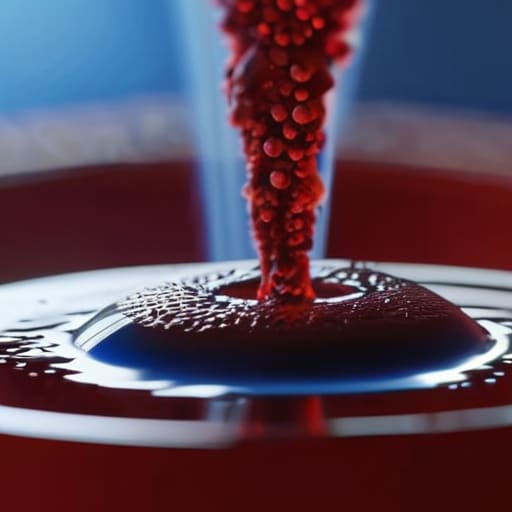
The Verneuil process explained is essentially a controlled, high-speed version of how crystals form in nature, just stripped of the millions of years and the geological pressure. In a lab, we use an oxyhydrogen flame to drop that alumina powder through the heat. As the powder falls, it melts into tiny droplets that solidify almost instantly upon hitting a rotating pedestal. This creates what we call a boule—a cylindrical mass of crystal that looks incredibly clean, sometimes almost too clean.
When you look at these stones under a loupe, the crystal growth in flame fusion leaves a very specific fingerprint. Because the growth happens so fast, you’ll often see tiny, curved growth lines that look like ripples in a pond after a stone has been tossed in. They aren’t flaws in the sense of damage, but they are the definitive signature of the machine. While the color can be as vibrant as a wet, crushed raspberry, those microscopic lines are how I tell the lab-grown version from the slow-cooked, natural earth-born variety every single time.
Chasing the Spark Crystal Growth in Flame Fusion
Once the alumina powder has turned into a molten, liquid state, the real magic—or the real engineering, depending on how you look at it—begins. As the droplets fall through the intense heat of the flame, they begin to coalesce on a rotating pedestal. This is the heart of crystal growth in flame fusion. Because the material is cooling as it hits the base, it doesn’t just form a puddle; it builds itself up, layer by layer, into a cylindrical shape called a boule. It looks a bit like a heavy, translucent candle made of solidified light.
If you look closely at a boule under a loupe, you can often see the history of its birth. Because the growth happens so quickly compared to how a stone forms in the earth, you’ll often see tiny, straight lines running through it. These are growth striations. In the world of synthetic gemstone manufacturing techniques, these lines are the giveaway. A natural ruby takes millions of years to settle its atoms into place, resulting in a much more chaotic, organic internal structure. A flame-fusion ruby, however, is a product of controlled, rapid-fire precision.
Man Made Perfection Modern Gemstone Lab Grown Production Methods
While the Verneuil process is the old reliable of the industry, it isn’t the only way we make these stones now. Modern gemstone lab-grown production methods have moved far beyond the simple drip of a flame. Today, we have methods like hydrothermal growth, which mimics the intense heat and pressure found deep in the earth’s crust, and Czochralski growth, where a seed crystal is slowly pulled from a molten vat. These techniques allow for a level of structural perfection that the older Verneuil process explained simply couldn’t reach.
The difference is often visible under my loupe. While flame fusion stones can sometimes show tiny, curved growth lines, these more advanced synthetic gemstone manufacturing techniques produce crystals that are almost eerily flawless. To the untrained eye, they are identical, but when you look at the way the light interacts with the internal lattice, you can see the signature of the machine used to build it. Whether you want a lab-grown stone for a budget engagement ring or a collector’s piece, knowing how it was birthed makes the ownership a lot more interesting.
The Tell Tale Signs Synthetic vs Natural Ruby Differences
When I sit down with a loupe, I’m not looking for magic; I’m looking for the fingerprints of the machine. Because the Verneuil process is so violent and rapid, it leaves behind specific structural clues that nature simply doesn’t. The most common giveaway is a series of tiny, curved lines known as growth striae. These look like microscopic ripples in water, a direct result of the crystal building itself layer by layer from that falling stream of molten alumina. In a natural ruby, you’d expect to see more complex, irregular inclusions—think of tiny needles of rutile or even little “fingerprints” of liquid—rather than these neat, mechanical bands.
You should also keep an eye out for curved bubbles. In synthetic gemstone manufacturing techniques like flame fusion, gas can get trapped as the melt solidifies, creating tiny, spherical voids that look like trapped air under a thin film of oil. Natural stones are messy; they have histories of tectonic pressure and chemical shifts that create beautiful, chaotic imperfections. If a ruby looks too much like a perfect, unblemished drop of red rain, it’s likely a product of the lab, not the earth.
Mastering Synthetic Gemstone Manufacturing Techniques Without the Deception
At the end of the day, knowing the science behind synthetic gemstone manufacturing techniques isn’t about being a cynic; it’s about being informed. When you understand how a Verneuil process explained in a textbook actually looks in a lab, you stop seeing “miracles” and start seeing chemistry. I’ve spent enough hours staring through a loupe to know that a stone’s value isn’t just in its sparkle, but in its origin story. Whether it was formed by tectonic pressure over millions of years or by a controlled torch in a factory, the mineral itself—corundum—remains the same.
The real trick is learning to respect the distinction without feeling cheated. If you’re buying a ruby for a piece of jewelry you intend to wear every day, a lab-grown stone is a practical, durable choice. But if you are a collector, you want the history written in the inclusions. Once you can spot the synthetic vs natural ruby differences with your own eyes, the deception disappears. You aren’t being fooled anymore; you’re just making a choice based on what the stone actually is.
## The Truth in the Torch
“Flame fusion is just a high-speed way of turning alumina powder into a crystal, and while it lacks the slow, messy history of a stone pulled from the earth, there is a certain honest precision to it; I’ll show you how the heat shapes the stone, because once you know the difference between a geological miracle and a lab-grown spark, the choice of which one to wear is entirely yours.”
Dagny Solheim
The Final Grade
At the end of the day, the Verneuil process is just a clever way of using high heat to turn alumina powder into something that looks like a miracle. We’ve looked at how that oxyhydrogen flame melts the dust, how the crystal grows in a steady drip, and how those tiny, curved growth lines act as a fingerprint for the synthetic. Identifying a flame-fusion ruby isn’t about being a detective looking for a crime; it’s simply about knowing that you are looking at a product of engineered precision rather than a product of geological time. Once you know to look for those curved striations or the lack of natural inclusions, the mystery of the “fake” disappears, leaving you with nothing but the chemistry.
Whether you end up with a natural stone pulled from the earth or a lab-grown ruby born from a torch, the stone itself doesn’t change its nature. A ruby is still corundum, and its hardness remains a solid nine on the scale. If you love the way a flame-fusion stone catches the light—that deep, saturated red that looks like a wet pomegranate under a bright lamp—then there is no shame in wearing it. My job is to tell you what it is; what you do with that knowledge is entirely up to you.
