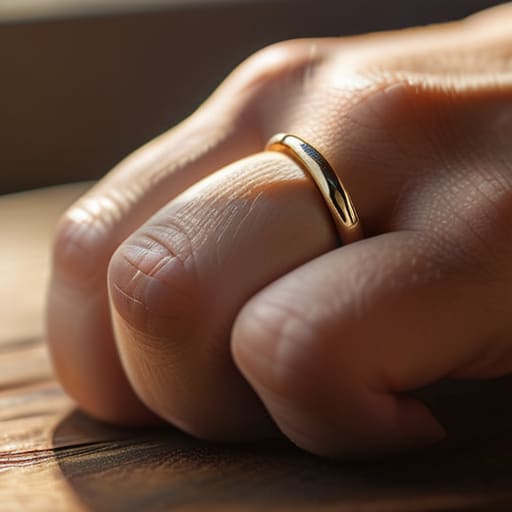
I spent six years in a grading lab looking at stones through a loupe, and if there is one thing I learned, it is that people love to make simple things complicated to justify a higher price tag. You don’t need a specialist consultation or a complex mathematical formula to understand why that sapphire band is suddenly pinching your skin. The truth about ring sizing and how hands change through the year isn’t found in a high-end jeweler’s manual; it’s found in your own biology. Your body isn’t a static piece of geometry like a polished garnet; it’s a living, breathing system that reacts to the world around it.
I’m not here to sell you a “permanent solution” or some mystical ritual to keep your jewelry fitting perfectly. I just want to give you the straight facts about why your fingers might feel like they’ve swollen like a wet piece of shale in July, only to shrink back by January. I’ll explain the mechanics of how temperature and salt affect your tissue, and I’ll tell you how to pick a size that actually works for your life. Once you understand the science of the swell, what you do with the ring is entirely up to you.
The Truth About Ring Sizing and How Hands Change Through the Year
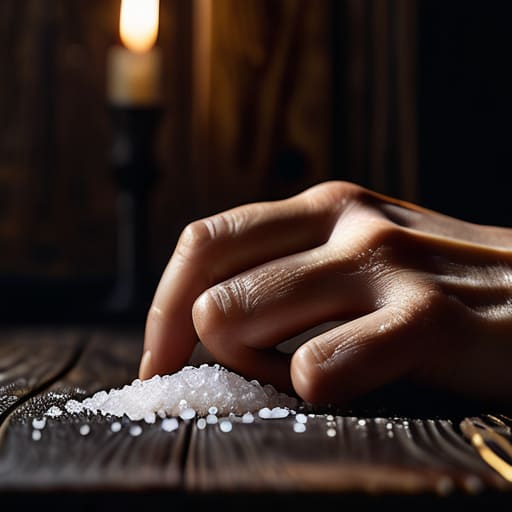
The truth is that your fingers aren’t static objects; they are living tissue that reacts to everything you do. I’ve spent enough time in labs to know that a measurement taken on a Tuesday morning in a heated room is rarely the same as one taken on a Friday night after a heavy dinner. One of the biggest culprits is how salt intake affects hand swelling. If you’ve had a meal heavy on sodium, your body holds onto water, and your rings will suddenly feel like they’re pinching your skin.
It isn’t just what you eat, though. I’m a cold-water swimmer, so I know firsthand how temperature affecting finger size works. When my hands hit the North Sea, they shrink almost instantly; when I warm up, they expand. This is why there is no single “perfect” size. Between diet and finger swelling and the natural fluctuations caused by the seasons, your hands are constantly shifting. If you’re looking for the most consistent reading, the best time of day to measure ring size is usually when your body temperature is stable and you haven’t just finished a workout or a salty meal.
The Invisible Thief Temperature Affecting Finger Size
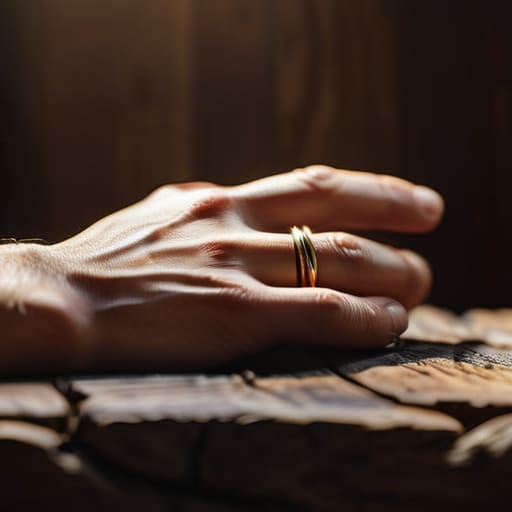
If you’ve ever felt a ring suddenly pinch during a mid-summer walk or slide loosely during a brisk morning swim, you aren’t imagining things. It is simply physics. Heat causes your blood vessels to dilate, and that extra volume has to go somewhere, often resulting in your fingers looking a bit more substantial. I’ve noticed this most when I’m out for a cold-water swim; the shock of the North Sea makes my hands feel thin and tight, but once I warm up, the blood returns and the skin feels plump and heavy.
This is why temperature affecting finger size is such a constant variable. You can’t rely on a single measurement taken in a heated room to last you through a change in seasons. It is also worth noting that how salt intake affects hand swelling plays a role here; a heavy, salty meal combined with a warm evening can make a ring feel like a tourniquet. If you are trying to find your true size, aim for a neutral environment and a consistent body temperature. Don’t fight the fluctuation—just plan for it.
Salt Diet and the Hidden Science of Finger Swelling

It isn’t just the weather playing tricks on you. If you’ve had a particularly heavy dinner—maybe a salty seafood stew or a bag of chips—you might find your rings feeling like they’re trying to cut off your circulation by morning. This is because of how how salt intake affects hand swelling works; sodium holds onto water, and your body tends to store that extra fluid in your extremities. It’s a biological reality, not a flaw in the jewelry.
The same goes for broader shifts in your body. I’ve seen clients struggle with ring sizing for pregnancy and weight changes, where a ring that fit perfectly in the first trimester becomes an impossibility by the third. Even minor fluctuations in your daily diet can cause your fingers to look slightly “puffy,” much like a stone that has been sitting in a damp environment. If you’re noticing your rings are suddenly tight, don’t panic and don’t immediately rush to resize them. Wait a day, drink some water, and see if the tightness settles.
Timing the Measurement the Best Time of Day to Measure Ring Size
If you’re sitting down to measure your fingers, don’t do it right after a long hike or a heavy meal. I’ve spent enough time in the lab to know that consistency is everything, and your body is anything but consistent. If you want a measurement that actually holds up, the best time of day to measure ring size is usually in the late morning or early afternoon. By then, your hands have had a chance to settle after the morning rush, but they haven’t yet succumbed to the fatigue or evening swelling that comes from a full day of activity.
Avoid measuring when you are particularly cold—nothing mimics a tight ring quite like the way temperature affects finger size—or immediately after a salty lunch. If you’ve been eating heavily, your body is busy holding onto water, and that localized edema will give you a reading that is far too large for your “normal” state. Just aim for a window where you feel physically neutral. Once you have that baseline, you can deal with the seasonal shifts as they come.
Surviving the Heat Managing Ring Tightness in Summer
When the sun stays out late and the air feels thick, your fingers will likely react. I’ve noticed it myself; after a long day out in the heat, my hands feel heavy and slightly engorged, almost like a piece of sea glass that’s been sitting in a tide pool too long. This isn’t a mystery, just biology. Heat causes your blood vessels to dilate, which leads to that familiar sensation of a ring digging into the skin. If you are managing ring tightness in summer, the first thing to accept is that your “true” size is a moving target.
If you find a ring is suddenly unwearable during a heatwave, don’t panic and don’t try to force it. You aren’t outgrowing your jewelry; you are just dealing with the inevitable reality of temperature affecting finger size. I usually suggest keeping a slightly larger “comfort fit” ring for these months, or simply accepting that some pieces are meant for the cooler, crisper days of autumn. It’s not a permanent change, just a seasonal shift in your anatomy.
The Shifting Body Ring Sizing for Pregnancy and Weight Changes
Then there is the more permanent side of things. While we’ve talked about how temperature affects finger size on a daily basis, your body can undergo much deeper shifts that change your baseline entirely. If you are navigating ring sizing for pregnancy and weight changes, you have to accept that your “normal” is a moving target. During pregnancy, edema—that heavy, water-retentive swelling—can make a ring that fit perfectly in the first trimester feel like a tourniquet by the third. It isn’t just about a temporary spike in salt intake; it is a systemic shift in how your tissues hold fluid.
The same logic applies to weight fluctuations. Whether you are gaining or losing, the soft tissue around your knuckles is remarkably reactive. I’ve seen clients come in with stones they’ve owned for decades that suddenly won’t slide past the joint. If you find yourself in this position, don’t panic or try to force it. It is better to have a jeweler temporarily resize the band or even use a ring guard than to risk a stone popping out of its setting because the metal is under too much tension.
Knowing the Metal What to Do When Your Ring Fits Differently
If you find that your ring is suddenly fighting you, the first thing to look at isn’t your finger, but the band itself. Metals behave differently under pressure. Gold is relatively soft—it’s a heavy, dense element that can actually deform over time if you’re constantly tugging it over a knuckle that’s swollen from a salty dinner. Platinum is much more stubborn; it doesn’t wear away, but it does “work harden,” meaning it can become slightly more rigid and less forgiving as the years pass.
If you are struggling with managing ring tightness in summer, it helps to know if your band is a wide cigar shape or a thin, delicate wire. A wide band covers more surface area, so it will feel much more restrictive when your hands swell. A thin band might slip on and off without much fuss. If you’re dealing with ring sizing for pregnancy and weight changes, you might find that a metal with a bit of “give,” like 18k gold, handles the transition more gracefully than a stiff, industrial platinum. Just remember: the metal is a constant, but your body is a moving target.
The Living Hand
Your hands aren’t static objects like a specimen in a display case; they are living tissue that reacts to heat, salt, and even the time of day. Don’t treat a ring size like a permanent law of physics—it’s more like a moving target, so measure when you’re comfortable and leave a little breathing room for the seasons to shift.
Dagny Solheim
A Final Word on the Living Hand
At the end of the day, sizing a ring isn’t a one-time mathematical equation; it is a moving target. Between the way salt makes your tissues hold onto water and the way a sudden dip in temperature makes your capillaries constrict, your fingers are constantly in flux. You have to account for the time of day you measure, the season you’re in, and the natural shifts in your body’s composition. If you try to find a single, permanent number, you’ll likely end up with a ring that is either too tight to pull off in July or sliding off your knuckle in the middle of a Norwegian winter. Just remember that consistency is a myth when it comes to biology; aim for a fit that feels comfortable in your current reality rather than chasing a theoretical perfection.
I spend my days looking at stones that have survived millions of years of geological pressure, and there is something grounding about that. But while a diamond is a static arrangement of carbon, your hands are alive. They swell, they shrink, they age, and they change with every season of your life. Don’t let a slightly tight band or a loose setting frustrate you or make you feel like something is broken. Your body is doing exactly what it was designed to do. Wear your rings as part of that living history, and if the fit changes, just adjust accordingly. After all, a ring is meant to be worn, not just stared at through a loupe.
