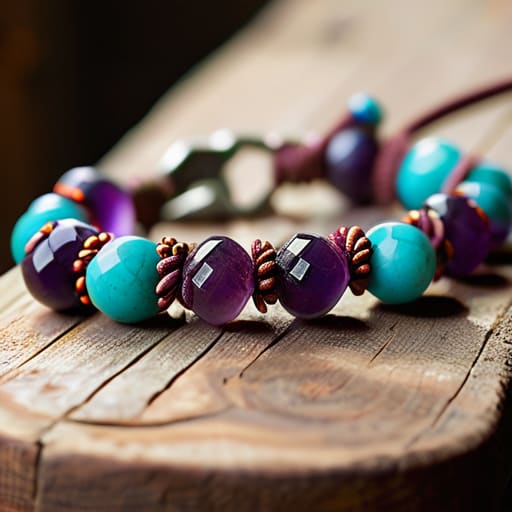
I was sitting on a cold pier in Bergen last autumn, my fingers numb from a quick dip in the North Sea, when I heard that unmistakable clatter-clatter-clatter of stones hitting the wood. I looked down to see a beautiful strand of labradorite—the kind that looks like deep ocean water caught in a storm—scattered across the planks because the cord had finally given up. It’s a frustratingly common ritual: you find a piece that speaks to you, you wear it for a few months, and then you’re left staring at a mess of beads because of beaded bracelets and elastic that eventually fails. Most people think it’s bad luck or a “bad vibe” from the stone, but I’ve spent too many years looking through a loupe to blame the mineral for a cheap polymer’s structural fatigue.
I’m not here to sell you a spiritual cure for broken jewelry, nor am I going to lecture you on the “energy” of a knot. My goal is much more practical than that. I want to show you exactly why those thin, clear strings snap like dry twigs and how you can spot the difference between high-quality cord and the junk that’s destined for the floor. Once you understand the physics of what’s holding your stones together, you can decide if you want to DIY a repair or just buy something built to last.
The Unvarnished Truth About Beaded Bracelets and Elastic That Eventually Fa
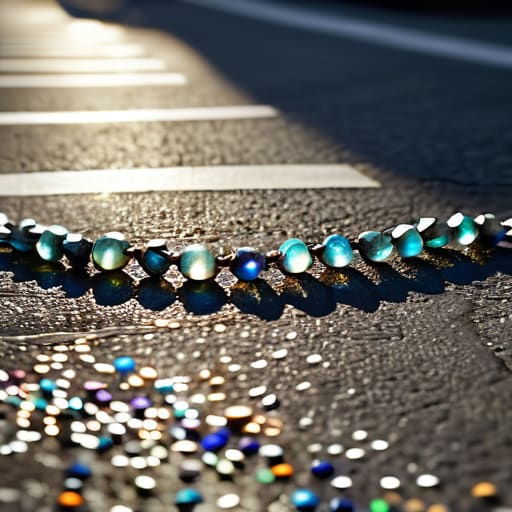
Most people think a bracelet is just a collection of stones, but once you start threading them, you’re actually dealing with a tiny bit of engineering. The problem is that most mass-produced pieces use low-grade, clear polymer elastics that are essentially just glorified rubber bands. They might look fine in the shop, but they lack the necessary jewelry cord tension and durability to survive a real life. I’ve seen enough of them snap mid-stride, sending expensive labradorite scattering across a pavement like spilled marbles.
If you want to avoid that heartbreak, you have to look at the stretchy jewelry cord types being used. Cheap elastic dries out and gets those tiny, microscopic cracks that you can only see if you’re looking closely under a loupe. These are the primary signs of worn out jewelry elastic; if the cord looks cloudy or feels slightly tacky, it’s already dying. It’s not a matter of if it will snap, but when. If you’re making your own, skip the mystery cord and invest in something polyurethane-based—it’s much more forgiving of the constant tugging your wrist does every single day.
Deciphering Stretchy Jewelry Cord Types What Is Under the Surface
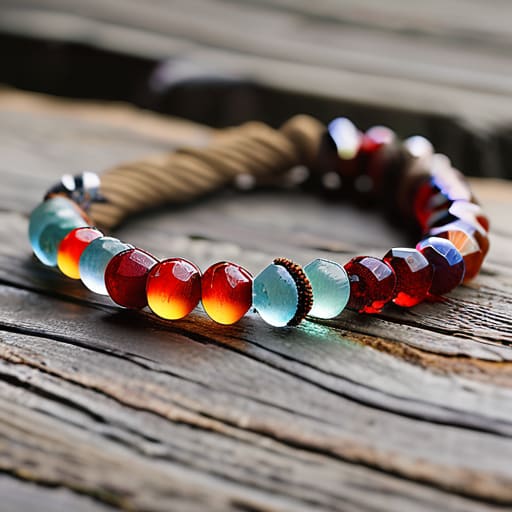
When you’re looking at a pile of various stretchy jewelry cord types, it’s easy to assume they all function the same way. They don’t. Most of what you’ll find in a craft bin is basic polyester-based elastic. It’s fine for a week, but it has a nasty habit of losing its memory. I like to think of it like a rubber band left in the sun; eventually, it just stays stretched out, looking limp and greyish, like a piece of kelp washed up on a cloudy morning. If you want something that actually holds its shape, you have to look for high-quality polyurethane, often sold under brand names like Berkley Stretch Magic.
The real secret to preventing bead bracelet breakage isn’t just the material, but the relationship between the cord and the stone. If you are stringing heavy, dense minerals like labradorite or hematite, a thin cord will eventually succumb to the constant tension. You need to consider jewelry cord tension and durability by matching the diameter of the cord to the drill hole of your beads. If the cord is too tight, it’s under constant stress; if it’s too loose, the beads will rattle and the cord will fray against the sharp edges of the stone.
How to Choose Bead Stringing Material That Wont Betray You
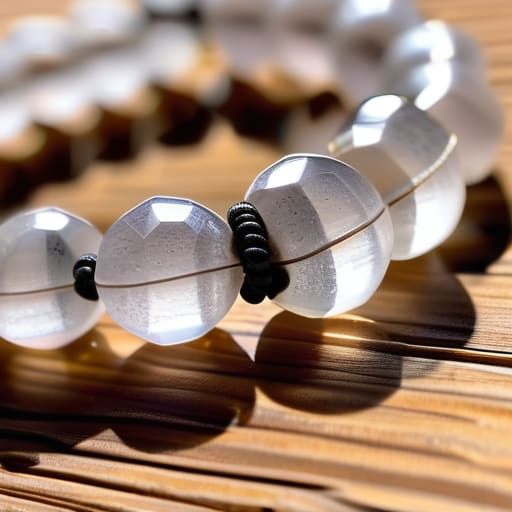
If you want to stop the cycle of finding your favorite stones scattered across the floor, you have to stop treating the cord like an afterthought. When I’m looking at a piece, I don’t just care about the clarity of the quartz; I care about the structural integrity of what’s holding it together. If you are looking for the best elastic for jewelry making, skip the cheap, cloudy stuff you find in generic craft kits. Look for high-quality, clear polyurethane cords that feel substantial, not thin and gummy. A good cord should have a snap to it, like a fresh rubber band, rather than feeling like it’s already tired.
When you are deciding how to choose bead stringing material, remember that weight matters. If you’ve got heavy labradorite or thick jasper beads, you can’t just use any thin string. You need to match the cord’s diameter to the drill hole of the stone to ensure there’s enough room for the material to move without being pinched. If the tension is too tight, you’re just asking for a snap; if it’s too loose, the beads will slide and look messy. It’s all about finding that balance between tension and durability.
The Hidden Signs of Worn Out Jewelry Elastic You Must Spot
You don’t need a microscope to see when a cord is giving up the ghost, but you do need to pay attention to the small things. I always tell people to look for “micro-fraying”—those tiny, almost invisible white hairs poking out from the strand. If you see them, the polymer chains are already snapping. It’s a lot like the way a piece of old fishing line looks after a season in the North Sea; it might look intact, but the structural integrity is gone. If your bracelet feels sluggish when you stretch it, or if it doesn’t snap back to its original shape immediately, it’s lost its memory.
Another red flag is a change in texture. A healthy cord should feel smooth, almost slick. If it starts feeling tacky or “gummy” against your skin, the material is degrading due to oils or UV exposure. Recognizing these signs of worn out jewelry elastic early is the only real way to handle preventing bead bracelet breakage before your favorite stones end up scattered across the floor. Once that tension is lost, the failure isn’t a matter of if, but when.
Balancing Jewelry Cord Tension and Durability for Your Own Use
If you’re making these yourself, you’ll quickly learn that there is a fine line between a bracelet that sits snugly on the wrist and one that’s a ticking time bomb. I’ve seen too many people pull the cord as tight as they can, thinking they’re making it stronger, when they’re actually just pre-stressing the polymer. When you overstretch the cord during assembly, you’re essentially inviting the material to snap the moment it encounters a slight tug. Finding the right balance in jewelry cord tension and durability means giving the elastic enough room to breathe so it can return to its original shape after being pulled over a hand.
When I’m looking at how to string a piece, I think about the weight of the stones. A heavy piece of labradorite, which has that deep, oily blue-grey sheen like a wet pebble on a stormy beach, needs a much more robust cord than a light dusting of amethyst chips. If you ignore the mass of the minerals, you’ll miss the early signs of worn out jewelry elastic before the whole thing hits the floor. Aim for a fit that feels secure but doesn’t feel like a tourniquet; your stones will last much longer if you don’t force the cord to do more work than it was designed for.
Finding the Best Elastic for Jewelry Making Without the Gimmicks
When you’re browsing for supplies, you’ll see brands making grand promises about “indestructible” strands, but I’ve spent enough time looking at microscopic fractures to know better. Most of the marketing is just noise. If you want to move past the gimmicks, you need to stop looking at the colorful packaging and start looking at the polymer composition. The best elastic for jewelry making isn’t the one with the flashiest label; it’s usually a high-quality polyurethane cord that feels substantial, not thin and oily like it’s sweating.
I always tell people to test the recovery. If you stretch a sample and it stays slightly elongated—looking like a piece of rubber that’s been sitting in the sun too long—put it back. You want a cord that snaps back to its original shape instantly. This is the most practical way of preventing bead bracelet breakage before you even start stringing. Don’t get distracted by the cheap, multi-pack bundles that claim to be “professional grade.” In my experience, those are usually the first to show the signs of worn out jewelry elastic, turning brittle and losing their memory within a few months of wear.
Practical Steps for Preventing Bead Bracelet Breakage on Your Terms
If you want to stop your jewelry from ending up as a heap of stones on the floor, you have to stop treating the cord like an afterthought. Most people focus on the beauty of the stone—the way a labradorite flashes like sunlight hitting a wet granite slab—but they forget the structural reality. To start preventing bead bracelet breakage, you need to match the cord to the weight. If you are stringing heavy sodalite or thick agate, a flimsy cord is a ticking time bomb. Don’t just grab whatever is in the drawer; look at the diameter of your bead holes first.
I also suggest a quick “stress test” every few months. Give the bracelet a gentle tug. If it feels gummy or looks slightly cloudy, those are the clear signs of worn out jewelry elastic that most people ignore until it’s too late. It is much easier to re-string a bracelet on a Sunday morning than it is to hunt down a single lost garnet in the grass. Treat the cord with the same respect you give the mineral, and it will actually last.
The Weight of the Stone vs. The Weakness of the String
You can spend a fortune on a high-grade Tanzanite, something with a deep, violet-blue hue like the North Sea just after a storm, but all that mineral history doesn’t mean a thing if you’ve strung it on cheap, dry elastic. A stone is built to last millions of years; a piece of polymer cord is just waiting for its first real tug to give up the ghost.
Dagny Solheim
A Final Look at Your Stones
At the end of the day, keeping a beaded bracelet on your wrist isn’t about fighting physics; it’s about understanding it. We’ve looked at why cheap elastic snaps, how to spot the difference between high-quality stretch cord and the flimsy stuff that looks like a rubber band, and how to check for those tiny, microscopic cracks that signal a break is coming. Whether you are stringing up a heavy piece of Labradorite or something light like Amethyst, remember that the material holding them together is just as important as the mineral itself. If you choose the right cord and keep an eye on the tension and wear, you won’t be cleaning up spilled stones from the floor every other week.
I don’t care if you wear your stones for their chemical composition or because you think they hold a certain energy; my job is just to make sure they stay on your arm while you do it. There is a specific kind of satisfaction in holding a piece of jewelry that was built with a bit of intention, something that feels solid and reliable. Don’t let a bit of degraded elastic ruin your connection to a stone you love. Treat your jewelry with a little bit of practical respect, and it will stay with you much longer than the cheap imitations designed to fall apart.
