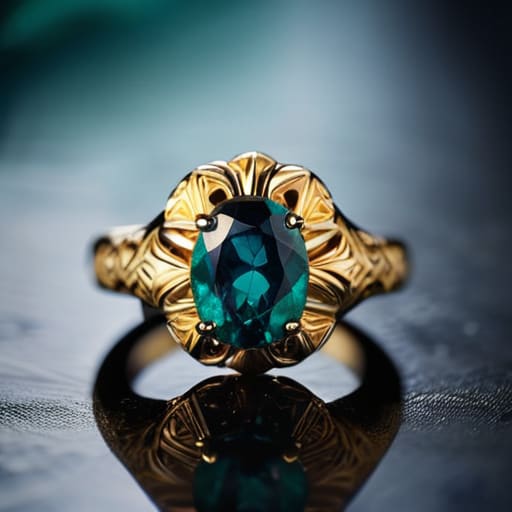
I spent six years in a grading lab, staring through a loupe until my eyes felt like they were filled with sand, and if there is one thing I learned, it’s that the insurance industry loves to hide behind impenetrable jargon. Most people approach the topic of insuring gemstone jewellery and what the valuation needs by simply handing over a credit card and hoping for the best, terrified that they’ll be told they’ve been swindled. There is this exhausting myth that you need a gold-embossed certificate from a high-street boutique to be “safe,” but in reality, a lot of those fancy papers are just expensive ways of saying very little.
I’m not here to sell you a premium policy or a sense of spiritual enlightenment; I just want to make sure that if you lose a ring, you aren’t left holding an empty box and a pile of useless paperwork. I’ll walk you through exactly what a proper valuation should look like—from the mineral composition to the specific cut—and how to spot the difference between a legitimate appraisal and a piece of marketing fluff. We’ll get the facts straight, no nonsense included, so you can protect your stones on your own terms.
Understanding Insuring Gemstone Jewellery and What the Valuation Needs
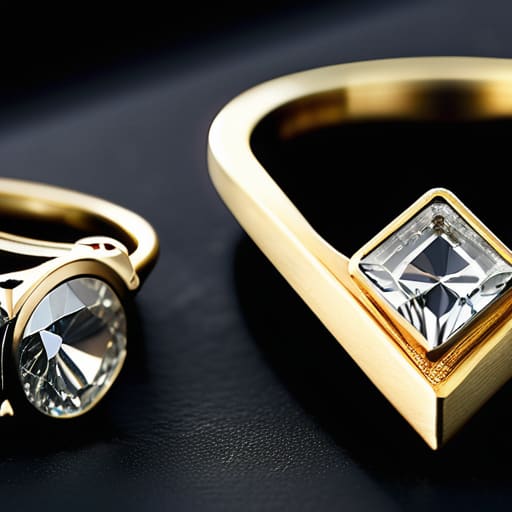
When you sit down to talk about coverage, the first thing that trips people up is the difference between what a stone is worth at a shop and what it costs to actually replace it. You’ll often hear the terms replacement value vs market value thrown around, and it matters. Market value is what you might get if you sold the ring to a dealer on a Tuesday afternoon; replacement value is what you’ll actually pay a jeweler to source a stone of identical quality, color, and clarity to put back into your setting. If you only insure for the market value, you might find yourself a few thousand kroner short when the time comes to rebuild.
To get this right, you need more than just a handwritten note from a local smith. Most insurers will want to see formal gemstone grading reports from a recognized lab—think GIA or similar—to verify the specifics of the stone. This documentation acts as the stone’s passport. It proves the sapphire isn’t just a blue spinel and that the diamond has the carat weight you claim. Without that paper trail, you’re essentially asking an insurance company to take your word for it, and they rarely do.
Key Things to Know
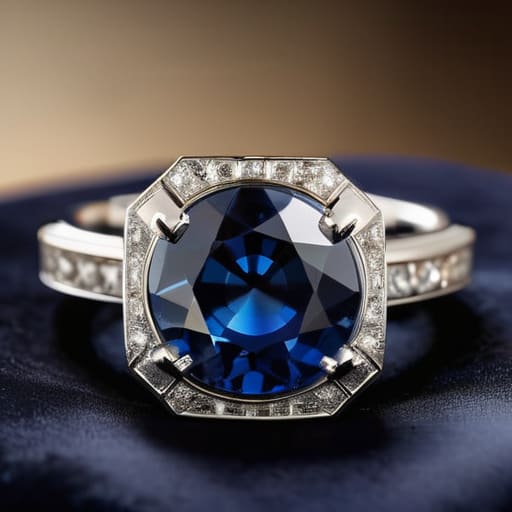
First, you need to understand that there is a massive difference between what a jeweler tells you a piece is worth and what an insurance company actually pays out. Most people get tripped up by the distinction between replacement value vs market value. If you lose a sapphire ring, market value is what you could sell it for at a pawn shop or auction—usually a fraction of the cost. Replacement value is what it actually costs to go out and buy a new one of similar quality. When I’m looking at a stone under the loupe, I’m seeing its true physical reality; your insurance needs to reflect that reality, not a bargain-bin estimate.
You also shouldn’t rely on a simple receipt. For anything significant, you want proper gemstone grading reports from a reputable lab. A receipt says “blue stone,” but a lab report says “1.5 carat Ceylon sapphire, natural, no heat treatment.” That distinction is the difference between a claim being approved or denied. I’ve seen too many people walk into a lab with a piece of glass they thought was an aquamarine, only to realize their paperwork was useless. Get the documentation right from the start.
Practical Tips and Steps
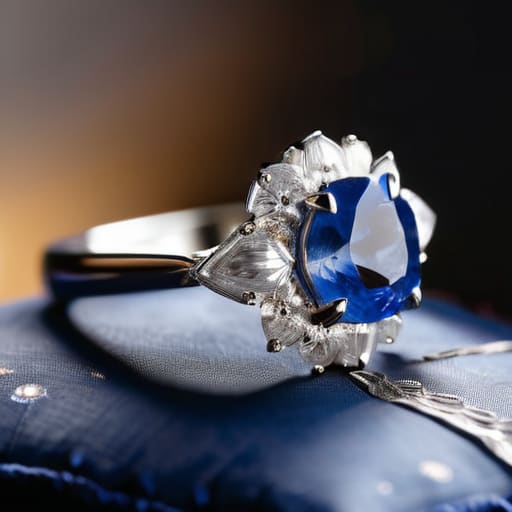
First, don’t just take a photo of the ring on your finger and call it a day. If you’re looking at a piece with a significant stone—something with real weight and history—you need more than a snapshot. I always suggest getting professional gemstone grading reports from a reputable lab like GIA or IGI. A jeweler’s handwritten note is fine for a small silver band, but for anything substantial, you want that paper trail. It’s the difference between someone saying “it’s a blue stone” and having a document that confirms it is a 2-carat Ceylon sapphire with specific inclusions.
When you sit down with an insurer, pay close attention to the math. You’ll often see a distinction between replacement value vs market value. If your sapphire is lost, you don’t want the insurance company handing you the cash they could get for a used, scratched stone at an auction; you want the money to go out and buy a brand-new version of what you actually owned. Make sure your jewelry appraisal documentation explicitly states the cost of finding a stone of similar quality, not just the lowest possible price on the market.
Common Mistakes to Avoid
The biggest blunder I see is people confusing replacement value vs market value. If you lose a sapphire ring, the insurance company isn’t going to give you what you paid for it five years ago, nor are they going to give you the “collector’s price” you might see on an auction site. They are looking to replace that specific piece with something of similar quality in today’s market. If your paperwork doesn’t explicitly state the replacement cost, you might find yourself coming up short when it actually matters.
Another mistake is relying on a simple receipt instead of proper gemstone grading reports. A shop receipt tells the insurer what you spent, but it doesn’t tell them if that emerald is a natural stone or a glass-filled one. Without a formal report from a lab, your insurer might settle for the value of a lesser stone. I’ve seen too many people assume a basic jeweler’s stamp is enough; it isn’t. You need the technical specifics—the clarity, the origin, and the actual mineral composition—to ensure your coverage actually matches the reality of what is sitting in your jewelry box.
Final Thoughts
At the end of the day, whether you’re holding a rough piece of labradorite from a beach or a high-carat sapphire set in platinum, the goal is the same: peace of mind. I’ve spent enough hours under a microscope to know that a stone’s true worth lies in its chemistry and its cut, but an insurance company cares more about the paperwork. Make sure you understand the difference between replacement value vs market value before you sign anything. One covers what it costs to go out and buy the thing again, while the other is often a much lower figure that won’t help you much if the worst happens.
Don’t skip the details when gathering your jewelry appraisal documentation. If you have a stone that’s particularly special, try to include official gemstone grading reports from a reputable lab; it makes the whole process much smoother. I’m not here to tell you how to live your life or which stones to buy, but I am here to tell you that being prepared is much better than being surprised. Get your papers in order, know what you own, and then go enjoy it.
The Real Value of a Stone
An insurance company doesn’t care about the “energy” of your sapphire; they care about its chemical composition, its weight in carats, and whether that blue is a natural occurrence or a lab-grown imitation. Get a valuation that speaks the language of geology and gemmology, not mysticism, because if you can’t prove what the stone actually is, you’re just insuring a pretty piece of glass.
Dagny Solheim
One Last Look
At the end of the day, insuring your jewellery isn’t about being paranoid; it’s about making sure the paperwork actually matches the physical reality of what you’re holding. You need a valuation that goes beyond a simple receipt—one that identifies the specific mineral, the cut, and the quality of the inclusions. Don’t settle for a generic estimate that treats a sapphire like a piece of blue glass. If you have a detailed, professional report that distinguishes your stones from the synthetics and the treatments, you aren’t just buying a policy; you are protecting your investment against the gaps that insurance companies love to find during a claim.
I know that for many of you, these stones aren’t just assets on a spreadsheet. They are heirlooms, or perhaps something you bought to mark a moment that felt as bright and clear as a polished quartz. Whether you see a garnet as a chemical compound of silicon and oxygen or as a symbol of strength, the importance of the stone remains the same. My job is to help you understand the composition and the truth of the mineral. What you choose to do with that knowledge—whether you’re building a collection or simply keeping a memory safe—is entirely up to you. Just make sure that when you look at your stones, you know exactly what they are.