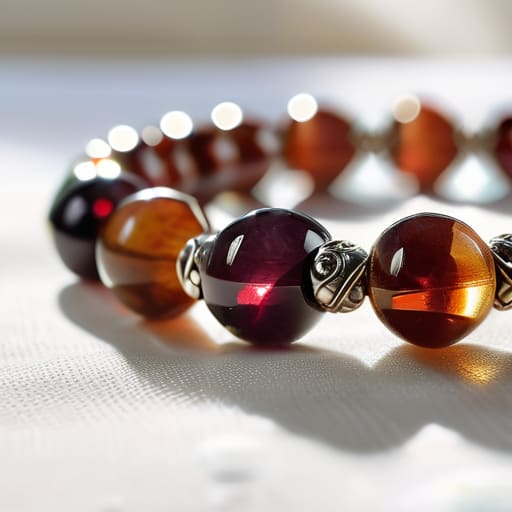
I spent six years in a grading lab staring through a loupe, and if there is one thing I learned, it is that people love to make simple things complicated just to sell you a specialized solution. You don’t need a “proprietary gemstone elixir” or a high-tech ultrasonic bath to handle the grime of real life. Most of the time, when people ask me about cleaning a bracelet that is worn every day, they are being told they need a chemistry degree or a massive budget to keep their stones looking bright. It’s nonsense. Whether it’s salt from a swim in the North Sea or just the oils from your skin, the buildup is just physical matter—and physical matter doesn’t require a miracle to move.
I’m not here to sell you on any mystical cleansing rituals or expensive kits. My goal is to tell you exactly what your stones are made of—be it quartz, jade, or something more temperamental—and how that chemistry dictates how you treat them. I’ll give you the straight facts on how to keep your jewelry looking like it did when you first bought it, without the unnecessary fuss. Once you know the hardness and the composition, you can decide how much effort you want to put in; I’m just here to make sure you don’t accidentally dissolve your favorite piece.
Understanding Cleaning a Bracelet That Is Worn Every Day
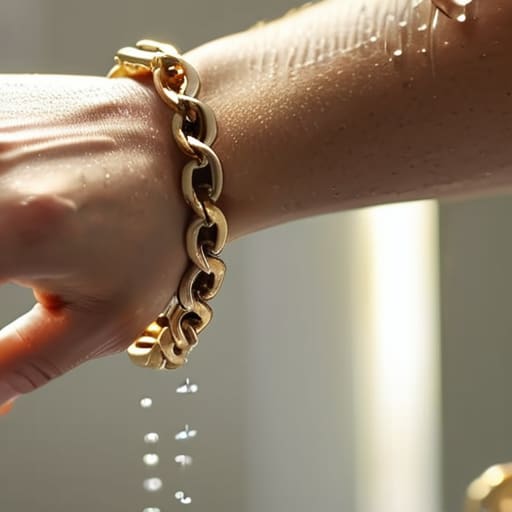
If you’re wearing a piece every single day, you aren’t just wearing jewelry; you’re wearing a record of your life. Between the salt from a quick dip in the North Sea, the lotions you apply, and the natural buildup of sebum, your bracelet is constantly interacting with your chemistry. Over time, this leads to a dulling effect that most people mistake for the metal wearing down. In reality, it’s usually just a layer of grime obscuring the surface. Removing skin oils from bracelets is the first step to getting that original luster back, but you have to be careful about how you approach it.
Not all stones or metals play well with the same tactics. A gold chain is a workhorse, but if that chain holds a piece of labradorite or even a soft turquoise, you can’t just go throwing it into a bowl of harsh chemicals. I always tell people that the goal is maintaining bracelet shine without compromising the structural integrity of the mineral or the setting. You need to know if you’re dealing with a hard silicate or something more delicate before you even reach for a cloth.
Key Things to Know
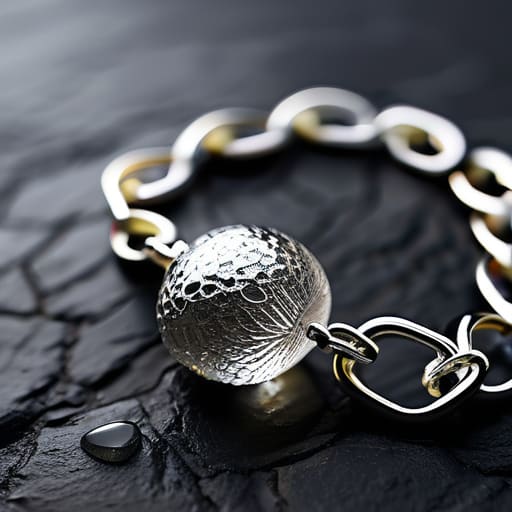
First, you have to look at what you’re actually wearing. A sterling silver chain reacts differently to the world than a strand of labradorite or a piece of rose quartz. If you’re working with metals, preventing tarnish on daily wear usually comes down to how much you sweat and what kind of lotions you use. Metals are reactive; they don’t like the chemistry of our skin. If you leave a silver bracelet sitting in a puddle of spilled perfume, it’s going to darken faster than a piece of basalt under a North Sea rainstorm.
Then there are the stones themselves. I’ve spent years looking at inclusions under a loupe, and I can tell you that even the hard stuff has its limits. A sapphire might handle a bit of a scrub, but a soft opal will look like a washed-out pebble if you treat it too roughly. Most of the time, you aren’t fighting dirt so much as you are removing skin oils from bracelets that have built up in the crevices of the setting. It’s a slow, greasy buildup that makes even the brightest gemstone look dull and muddy.
Practical Tips and Steps
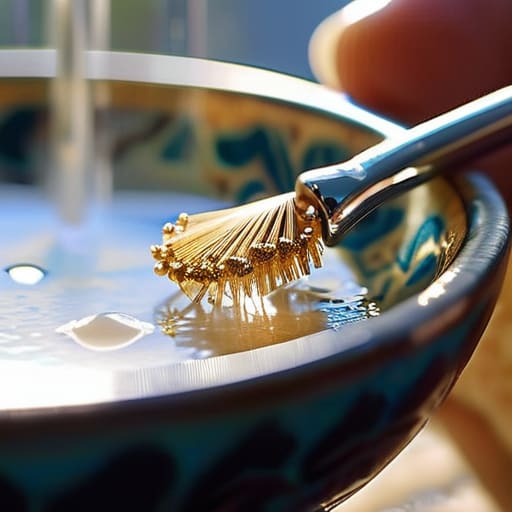
Start with a bowl of lukewarm water and a drop of mild, phosphate-free dish soap. Avoid anything with harsh abrasives; if you use a gritty scrub, you’re essentially sanding down the microscopic details of your stone. Use a very soft-bristled brush—an old baby toothbrush works well—to work into the crevices where dirt hides. This is the most effective way of removing skin oils from bracelets without risking a scratch. If you are working with something soft like an opal or a pearl, skip the brushing entirely and just let them soak briefly. They are porous, like a sponge, and can soak up whatever you put them in.
For the metal parts, if you’re working with silver, you’ll want to focus on preventing tarnish on daily wear by drying the piece thoroughly immediately after cleaning. Moisture is the enemy of a good polish. I usually keep a clean, lint-free microfiber cloth nearby to buff the metal once it’s dry. It’s a simple process, but doing it consistently keeps the piece from looking dull and neglected.
Common Mistakes to Avoid
The biggest mistake I see is people treating every piece of jewelry like it’s a stainless steel kitchen utensil. If you’ve got a bracelet with soft stones—think pearls, opals, or turquoise—please, stay away from the ultrasonic cleaners. Those machines use high-frequency vibrations that can literally shatter the internal structure of a stone or shake a setting loose. When you’re removing skin oils from bracelets, stick to the basics. A bit of lukewarm water and a drop of mild dish soap is usually enough. If you start using harsh chemicals, you aren’t just cleaning the stone; you’re potentially stripping its natural luster.
Another pitfall is the “scrubbing” instinct. When a piece looks dull, the urge is to grab a toothbrush and go to town. But if you use a brush that’s too stiff, you’ll end up leaving microscopic scratches that make the surface look cloudy, like sea glass that’s been tumbled too long. Instead of aggressive scrubbing, focus on gentle jewelry cleaning solutions and a soft cloth. It’s about patience, not force. You want to lift the grime, not sand the surface down.
Final Thoughts
At the end of the day, a bracelet that lives on your wrist is more than just a piece of jewelry; it’s a record of your life. It picks up the salt from your skin, the traces of your lotion, and the grit from the world around you. I’ve spent enough time looking through a loupe to know that even the most beautiful stones lose their luster when they are buried under a film of debris. Whether you are removing skin oils from bracelets just to see the true color of a garnet or trying to keep a silver chain from looking dull, the goal is simply to respect the material.
Don’t overthink the chemistry of it all. You don’t need a laboratory setup to practice safe cleaning methods for precious metals or stones; you just need a bit of patience and the right tools. If you treat the mineral and the metal with a little bit of care, they’ll hold up against the wear and tear of a busy life. Once you’ve finished your routine, the stone is yours again—clear, bright, and ready for whatever comes next.
The reality of daily wear
A bracelet isn’t just jewelry; it’s a collection of skin oils, salt, and dust trapped in a setting. I don’t care if you’re cleaning it because you want it to sparkle for a photo or because you just like the ritual—just make sure you know if you’re holding a piece of quartz or a piece of glass before you start scrubbing.
Dagny Solheim
A Final Look at Your Stones
At the end of the day, cleaning a daily-wear bracelet isn’t about achieving some impossible, sterile perfection. It’s about understanding that your stones are living things, subject to the oils of your skin and the grit of the world. Remember to check the Mohs hardness of your gems before you reach for a brush, and please, never assume a soak is safe just because the stone looks sturdy. Whether you are dealing with the porous surface of a turquoise or the stubborn buildup on a faceted quartz, the goal is to remove the grime without compromising the mineral integrity that makes the piece special in the first place.
I’ve spent years looking at stones through a loupe, seeing how they change over time under the light. A bracelet that has been worn every day, through seasons and shifts in life, carries a certain weight that a brand-new piece simply doesn’t have. Those tiny, microscopic scratches or the way the light catches a cleaned facet—that is the history of the object. Whether you keep your jewelry for its chemical composition or for the way it makes you feel when you catch your reflection, treat it with a bit of respect. After all, a stone is just a piece of the earth, but how you care for it is entirely your own story.
