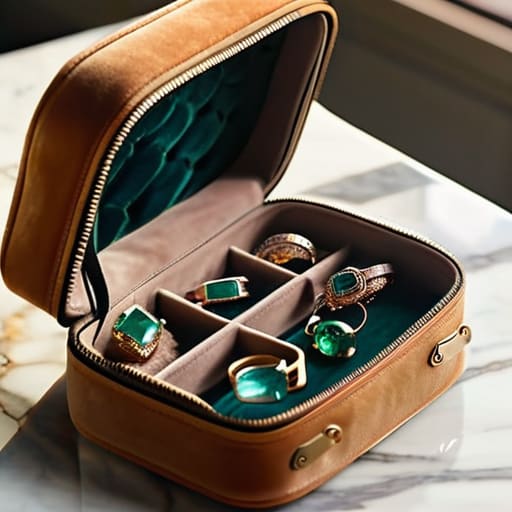
I once spent a frantic hour in a humid hotel room in Bangkok, staring at a velvet pouch and wondering if I’d actually packed my sapphire ring or if I was just hallucinating from the heat. There is this ridiculous, expensive myth that you need a heavy-duty, biometric safe to handle travelling with gemstone jewellery, as if a thief is going to stop because your ring is tucked in a silk-lined box. Most of the “security experts” online will try to sell you on high-tech gadgets and complex logistics, but after six years in a grading lab, I’ve learned that real security is much more about common sense and how you actually physically handle your things.
I’m not here to sell you a specialized travel kit or tell you which insurance company to call. Instead, I’m going to give you the straight-up reality of how to pack your stones so they don’t get scratched, lost, or mistaken for costume glass in a crowded terminal. I’ll show you how to distinguish your high-hardness gems from the fragile ones that shouldn’t touch each other, and how to keep your favorites safe without overthinking the entire trip.
Understanding Travelling With Gemstone Jewellery
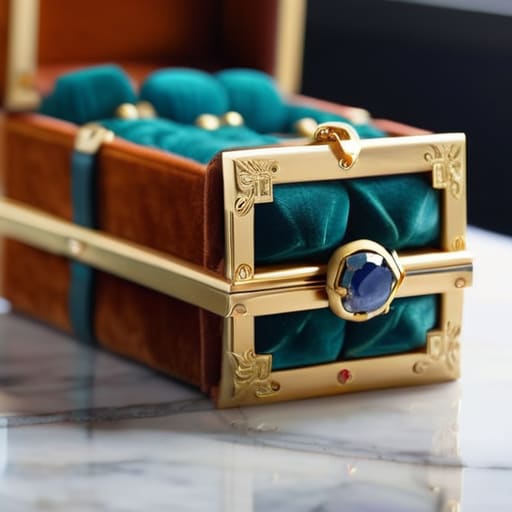
When I’m packing for a trip, I don’t think about the “energy” of my collection; I think about Mohs hardness scales. If you toss a high-grade sapphire into a bag with a diamond, you aren’t just traveling; you’re essentially running a rock tumbler. Most people don’t realize that preventing gemstone scratches during transit is less about being paranoid and more about basic physics. A diamond is going to win that fight every single time, leaving your softer emeralds or opals looking like they’ve been dragged across a gravel beach.
I’ve learned the hard way that a loose ring in a side pocket is a recipe for a heartbreak. You need to think about structural integrity. This means moving away from those flimsy velvet pouches and looking into the best jewelry travel organizers—the ones with individual, padded compartments that keep everything from rattling. If you’re flying, keep your most significant pieces in your carry-on. I don’t care if it feels a bit extra; once those bags hit the luggage carousel, they’re out of your hands, and I’ve seen far too many beautiful stones disappear into the void of a checked suitcase.
Key Things to Know
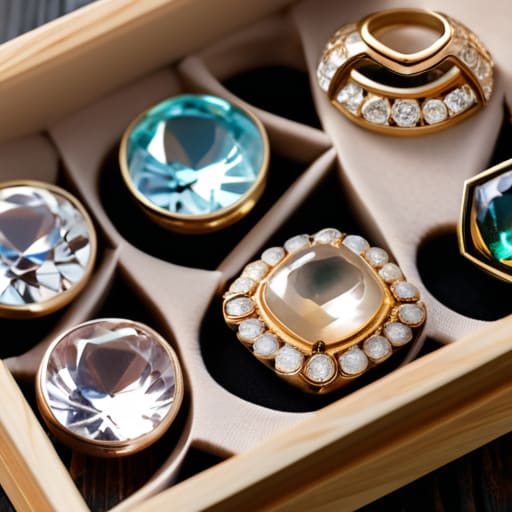
First, you need to think about Mohs scale hardness. I’ve spent too many hours under a loupe to ignore the fact that a diamond will absolutely ruin a sapphire if they share a pocket. If you’re packing a mix of stones, you can’t just toss them in a velvet pouch and call it a day. You need to be intentional about preventing gemstone scratches during transit by separating them by hardness. I usually wrap my softer stones—think opals or pearls—in individual soft cloths before they even touch a container.
Then there is the environment. If you are heading somewhere tropical, you aren’t just worried about theft; you’re protecting delicate gemstones from humidity and temperature swings that can cause certain stones to crack or lose their luster. I always look for a hard-shell case that offers a bit of a buffer. While some people swear by the best jewelry travel organizers with built-in compartments, I prefer something heavy-duty that won’t crush under the weight of a suitcase. It’s about creating a little micro-climate for your pieces so they arrive looking as crisp as a wet piece of labradorite on a granite shore.
Practical Tips and Steps
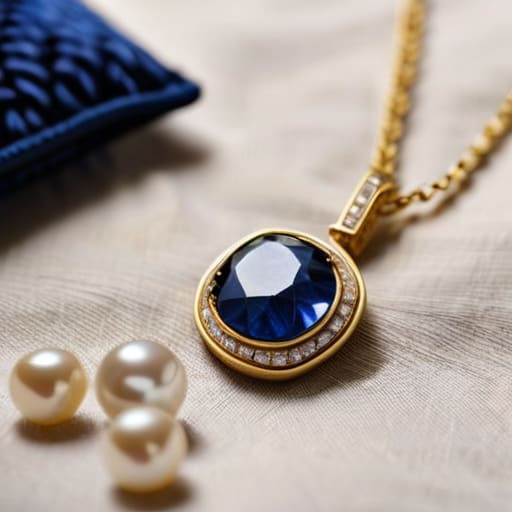
First, let’s talk about the physical reality of the stones themselves. I’ve spent years watching how a hard sapphire can absolutely ruin a soft pearl if they aren’t kept apart. When you’re packing, don’t just throw everything into one velvet pouch. You need to focus on preventing gemstone scratches during transit by giving each piece its own micro-environment. I personally use small, padded individual pouches for anything anything harder than a 7 on the Mohs scale, and I keep my softer organics—like opals or pearls—wrapped in soft cloth.
For the actual logistics, skip the flimsy plastic containers. Investing in the best jewelry travel organizers—the ones with dedicated, padded compartments rather than just open slots—makes a world of difference. If you are flying, keep your most precious pieces in your carry-on. I never trust the cargo hold; it’s too unpredictable. Instead, tuck your small jewelry roll into a secure, internal pocket of your personal item. It keeps your stones close to you and out of the hands of anyone handling your checked bags.
Common Mistakes to Avoid
The biggest mistake I see is treating a jewelry box like a catch-all bin. People often toss a sapphire ring into the same velvet pouch as a piece of quartz or even a harder diamond. Even if they look beautiful together, you’re essentially asking for trouble. If a harder stone shifts during a bumpy bus ride or a flight, it will bite into the softer ones. I always tell people that preventing gemstone scratches during transit starts with physical separation. If they aren’t touching, they aren’t fighting.
Another slip-up is the “out of sight, out of mind” approach with your luggage. I’ve seen people pack a stunning emerald necklace in a side pocket of a carry-on, thinking it’s safe because it’s tucked away. But if that bag gets bumped or searched, it’s vulnerable. You shouldn’t just rely on a flimsy pouch; you need to be securing precious stones in luggage that actually has some structure. A soft, unstructured bag is just an invitation for your stones to rattle around like loose gravel on a coastal path.
Final Thoughts
At the end of the day, a piece of jewelry is just a collection of minerals held together by metal. Whether it’s a sapphire with that deep, navy blue you only see in the North Sea during a storm, or a simple quartz, it’s still subject to the laws of physics. My goal isn’t to make you paranoid, but to make sure you aren’t coming home to a broken setting or a surface full of micro-scratches. Taking a bit of extra time for preventing gemstone scratches during transit is worth the effort; it’s much harder to fix a damaged stone than it is to simply pack it better.
Invest in a few decent tools—the best jewelry travel organizers aren’t necessarily the most expensive, just the ones that keep things separated. If you treat your stones with the same respect you’d give a piece of scientific equipment, they’ll last a lifetime. Once you’ve secured them, though, stop worrying. Go out, enjoy your trip, and let the stones sit in their little padded homes while you do the actual living.
A bit of perspective
A sapphire isn’t a magical talisman that keeps you safe on a flight; it’s corundum, it’s hard, and it’s beautiful. Treat it with the respect its chemistry deserves—keep it tucked away from anything that can scratch it—and then go enjoy your trip.
Dagny Solheim
One Last Look Before You Go
At the end of the day, traveling with your stones comes down to two things: protecting the chemistry and protecting the value. You’ve learned to check your Mohs hardness scales before packing, to separate your soft, sea-glass green tourmalines from your harder sapphires, and to keep your high-value pieces tucked away in a secure, padded spot rather than left out on a hotel vanity. It’s about being smart with the physical reality of the minerals. If you treat your jewelry with the same respect you’d give a piece of delicate lab equipment, you won’t have to worry about a chipped facet or a lost earring halfway across the world.
Whether you are carrying a piece of labradorite because you love the way its flashes look like sunlight hitting a wet pebble, or you’re transporting a family heirloom that has survived generations, the goal is the same: peace of mind. I don’t care much for the heavy metaphysical claims people make about stones, but I do care about the history held within their crystal structures. Take your stones with you, enjoy the way they catch the light in new places, and just make sure they arrive safely so you can keep making your own stories with them.
