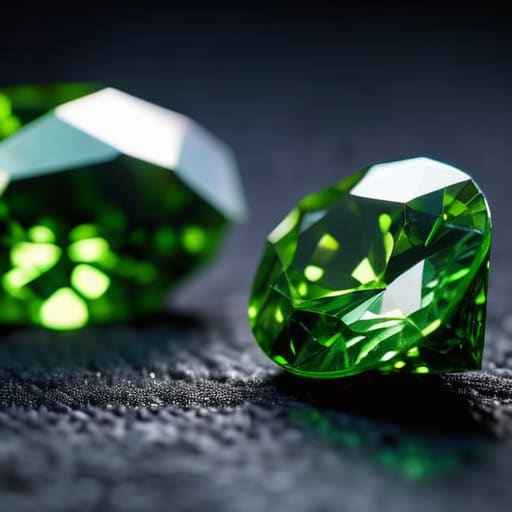
I spent six years hunched over a microscope in a grading lab, and if there is one thing that gets under my skin, it’s the way the market wraps certain stones in layers of unnecessary mysticism. You’ll see sellers using flowery, spiritual language to justify a massive markup, as if the stone itself has a soul that dictates its value. But when we talk about demantoid garnet and the green that commands the price, we aren’t talking about magic; we are talking about chromium content and light dispersion. I’ve seen too many people reach for their wallets because a salesperson promised them a “healing energy” that was really just a clever way to hide a mediocre stone with a high price tag.
I’m not here to sell you a dream or a lifestyle. My goal is to strip away the marketing fluff and tell you exactly what this mineral is, how its crystal structure creates that specific, electric hue, and how to spot the difference between a genuine rarity and a clever imitation. I’ll show you the technical reality of what you’re looking at, from the fire in the facets to the inclusions that tell its true history. Once you know the science, what you choose to do with the stone is entirely up to you.
The Truth About Demantoid Garnet and the Green That Commands the Price
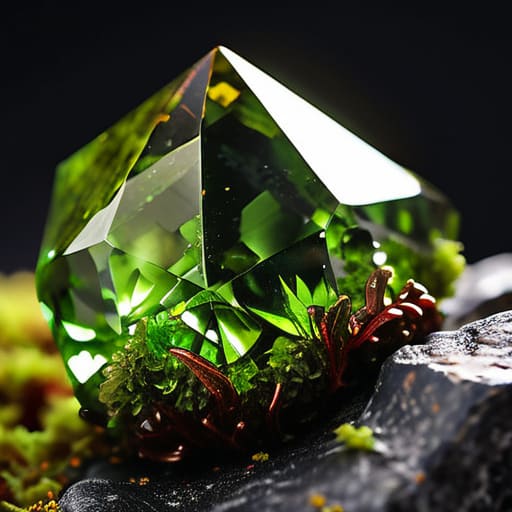
When you look at a demantoid through a loupe, you aren’t just looking at a green stone; you’re looking at a specific chemical arrangement. It is a member of the garnet group, specifically an andradite, and its demantoid garnet crystal structure is what allows it to play with light in a way most other greens can’t. Most people hunt for that specific shade of green—it reminds me of the moss on a wet granite boulder in Bergen, deep and saturated. But the color is only half the story.
The real reason the price climbs is because of the light return. While a tsavorite garnet is beautiful, it lacks the specific demantoid garnet fire and dispersion that makes this stone dance. When the light hits it, you see flashes of color that look like sunlight hitting a shallow tide pool. This “fire” is what makes it a serious candidate for gemstone market rarity factors, as finding a specimen that is both a vivid, mossy green and possesses high dispersion is incredibly difficult. You’re paying for the physics of the stone, not just the hue.
Beyond the Color Understanding the Demantoid Garnet Crystal Structure
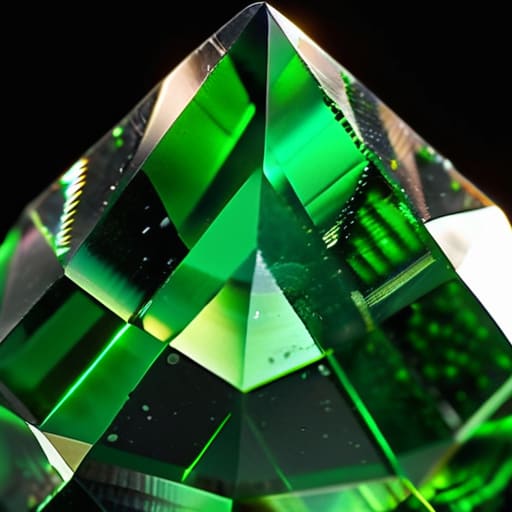
When you look through a loupe, you aren’t just looking at a pretty color; you’re looking at a complex arrangement of atoms. The demantoid garnet crystal structure belongs to the garnet group, specifically the andradite variety. Unlike many other green stones that feel “soft” or blurry under magnification, the internal lattice of a demantoid is incredibly tight. This structural density is what gives the stone its heft and its ability to manipulate light.
This isn’t just academic trivia, though. That specific atomic layout is responsible for the demantoid garnet fire and dispersion that makes it look like it’s dancing even when it’s sitting still. While a tsavorite garnet is lovely, it lacks this specific refractive punch. When I’m grading, I’m looking for that “wet moss” green that feels deep rather than superficial. If the light doesn’t bounce back with a certain intensity, it’s often a sign that the stone lacks the high-quality green garnet characteristics that collectors actually hunt for. It’s about how the chemistry dictates the theater of the light.
Chasing the Light Demantoid Garnet Fire and Dispersion Explained
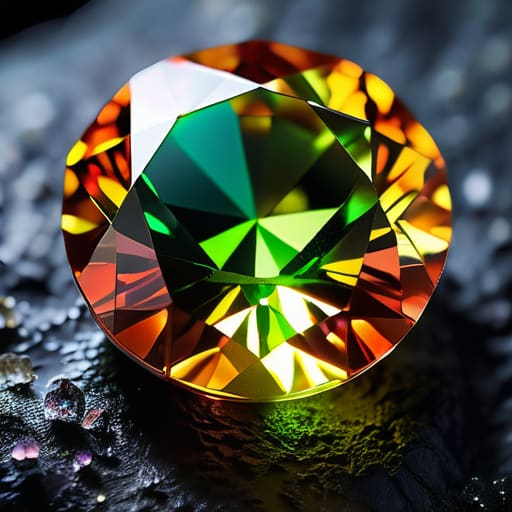
When you hold a true demantoid under a lamp, it doesn’t just sit there; it dances. This is due to its incredibly high dispersion, which is the technical way of saying it splits light into a tiny, frantic rainbow. I like to think of it as the way sunlight hits a shallow tide pool over dark kelp—that sudden, electric flash of color that catches your eye from across the room. This demantoid garnet fire and dispersion is what separates the heavyweights from the pretenders. While a tsavorite might have a lovely, lush green, it lacks this specific, pyrotechnic ability to throw spectral colors back at you.
If you are looking at a stone and it feels “quiet” or dull despite being a bright green, you aren’t looking at a top-tier specimen. One of the most important high-quality green garnet characteristics is that internal spark. It’s a physical property of the crystal lattice, not some magical aura. If the stone lacks that rhythmic, flickering light, you’re likely looking at a lower-grade garnet or a different mineral entirely. Once you recognize that flash, you’ll never look at a flat, lifeless green the same way again.
Distinguishing Demantoid From Tsavorite Before You Hand Over Cash
If you’re standing at a jeweler’s counter with a green stone in hand, you’re likely staring at either a demantoid or a tsavorite. They look similar at a glance—both have that lush, verdant hue—but they are fundamentally different animals. Tsavorite is a grossular garnet, usually softer and more “calm” in its light play. Demantoid, however, is an andradite garnet, and it has a certain restlessness to it. When I’m looking through my loupe, I’m not just looking for color; I’m looking for how the light behaves.
The easiest way to start distinguishing demantoid from tsavorite is to look for that signature “spark.” Because of the specific demantoid garnet fire and dispersion, the light doesn’t just pass through the stone; it breaks into tiny, frantic flashes of color. A tsavorite will glow with a steady, deep green, like moss in a shaded forest. A demantoid will dance. If the stone feels static or “flat” despite its color, you’re likely looking at the more common tsavorite. One is a steady hum; the other is a bright, sharp crackle.
Identifying High Quality Green Garnet Characteristics in the Rough
When I was working in the lab, I learned that you can’t wait until a stone is polished to start looking for the good stuff. If you’re looking at rough, you’re searching for that specific, saturated hue—the kind of green that looks like wet moss clinging to a granite cliff in a Norwegian fjord. You want a specimen that shows a deep, consistent color through the crystal, rather than something that looks patchy or washed out. Identifying these high-quality green garnet characteristics early on is the only way to know if you’re holding a potential masterpiece or just a piece of pretty debris.
You also need to look closely at the surface for those tell-tale growth patterns. A true demantoid has a specific way of forming that hints at its internal geometry. While you won’t see the full brilliance of the demantoid garnet fire and dispersion until it’s cut, a high-quality rough will often have a certain “glow” or transparency that suggests the light will dance once it’s faceted. If the stone looks muddy or opaque, no amount of cutting will fix it.
The Hidden Gemstone Market Rarity Factors You Should Know
When you start looking at the numbers, it’s easy to get lost in the hype, but the actual scarcity of demantoid comes down to a few very specific geological bottlenecks. Unlike many other colored stones that pop up in massive deposits, demantoid is a bit of a hermit. It requires a very particular set of chemical conditions to form, and most of the world’s finest material comes from just a handful of locations, like the Ural Mountains or Namibia. This isn’t just about how many stones are dug up; it’s about how many actually meet the criteria for rare gemstone investment value.
You have to remember that a stone can be beautiful but still common. To hit that top tier, you need a combination of intense color saturation and that signature demantoid garnet fire and dispersion that makes the stone look like it’s dancing under a lamp. Most green garnets just sit there, but a true demantoid flashes. Because the supply of stones that possess both the correct chemistry and that high-octane light play is so thin, the market stays tight. It isn’t just a pretty rock; it’s a geological fluke.
Calculating the Real Rare Gemstone Investment Value for Yourself
When people talk about the rare gemstone investment value of a demantoid, they usually point to a spreadsheet or a market report. I prefer to look at the stone itself. If you are looking at a piece through a loupe, you aren’t just looking for a pretty color; you are looking for the physics of it. A stone might have a decent hue, but if it lacks that specific, electric demantoid garnet fire and dispersion, it’s just another green rock. You have to decide if you are paying for the mineral’s rarity or just a polished surface.
To me, the math is simple: check the inclusions and the light play. If the stone has a messy demantoid garnet crystal structure that traps light instead of dancing with it, the price should reflect that. Don’t let a salesperson convince you that every green garnet is a gold mine. I’ve seen plenty of stones that look spectacular under shop lights but lose their soul the moment they hit natural sun. Buy for the stone’s intrinsic quality, not for the promise of a future auction.
## The Reality of the Green
People pay for the color, but they stay for the chemistry; a demantoid isn’t just a pretty green, it’s a specific, high-dispersion miracle of chromium that looks less like a pigment and more like sunlight hitting a mossy stone under a cold Norwegian tide.
Dagny Solheim
Final Thoughts on the Green
At the end of the day, finding a true demantoid is about looking past the marketing fluff and focusing on the hard science. We’ve talked about the chromium that gives it that specific, electric green—the kind of shade you see on moss right after a heavy Norwegian rain—and the incredible dispersion that makes it dance under a light. Whether you are comparing it to tsavorite or trying to figure out if the price tag matches the rarity, remember to check the crystal structure and that signature fire. If the stone has the chemistry and the light, you aren’t just buying a pretty object; you are holding a geological rarity that has survived millions of years of pressure to reach your loupe.
I know people see these stones through different lenses. Some of you are looking at a spreadsheet of investment values and rarity factors, while others just want a piece of the earth that feels alive when the sun hits it. I don’t care which camp you fall into. My job is to make sure you know exactly what you are holding in your hand and that you aren’t being misled by a clever salesperson. Once you understand the composition and the history of a demantoid, the choice of what to do with it is yours alone. Buy with your eyes open, and enjoy the weight of the truth.
