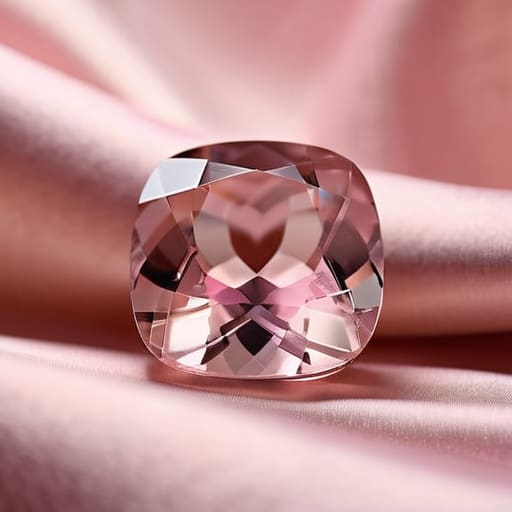
I spent six years leaning over a microscope in a grading lab, and if there is one thing that makes my skin crawl, it is the way the internet tries to turn geology into a fairy tale. You’ll see listings for “high-vibration rose quartz” or “ethically sourced magic” that completely ignore the actual chemistry of the stone. When people start talking about morganite and the pink side of the beryl family, they often get lost in a fog of mystical adjectives, forgetting that we are actually talking about beryllium aluminum cyclosilicate. I’ve seen far too many people pay a premium for heat-treated glass or pale, washed-out stones that have all the character of a wet pebble on a cloudy day in Bergen.
I am not here to sell you on a spiritual awakening, nor am I here to gatekeep. My goal is to strip away the marketing fluff and tell you exactly what you are looking at. I will explain the mineral composition that gives these stones their color, how to distinguish a genuine specimen from a lab-grown imitation, and what to look for in terms of clarity and hue. Once you understand the science of the stone, what you choose to do with it—whether you wear it as an heirloom or keep it on a shelf—is entirely your business.
The Truth About Morganite and the Pink Side of the Beryl Family
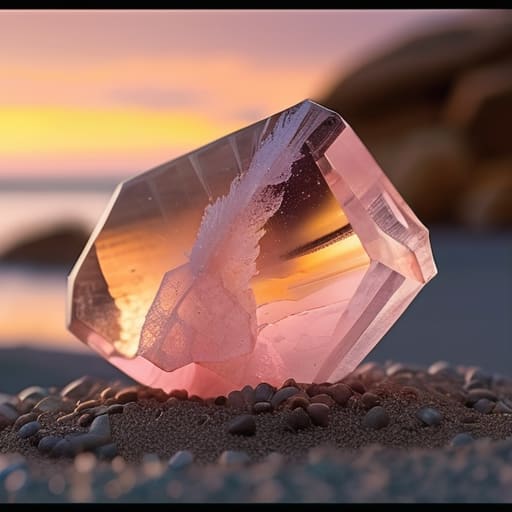
To understand morganite, you have to look at the broader beryl mineral group classification. Beryl is a sturdy, hexagonal crystal that comes in a dizzying array of shades—everything from the deep sea greens of emerald to the icy blues of aquamarine. Morganite is simply the name we give to the pink and peach varieties. The color comes from trace amounts of manganese trapped within the crystal lattice during its formation. When I see a high-quality specimen, the hue looks like the soft, peachy glow of a wet beach pebble just after the tide has retreated.
Because it’s all part of the same family, you’ll often see people comparing morganite vs pink sapphire. While a sapphire is a corundum and much harder, morganite has a softer, more ethereal quality to its light. You’ll find various morganite color variations, ranging from a pale, almost translucent blush to a more saturated apricot. People often get caught up in the gemstone healing properties or the spiritual “vibrations” of these stones, but to me, the real magic is in the chemistry. It’s a beautiful piece of geology, regardless of whether you wear it for luck or just because you like the way it catches the light.
Decoding the Beryl Mineral Group Classification Without the Fluff
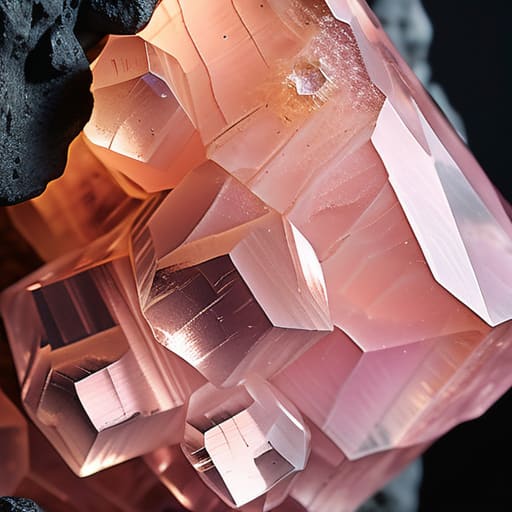
To understand morganite, you have to stop looking at it as a standalone thing and start seeing it as a branch on a very large, very sturdy tree. In the beryl mineral group classification, we are talking about a beryllium aluminum silicate. It’s a tough, hexagonal structure that can accommodate all sorts of “impurities”—which is just the mineralogist’s way of saying different elements have crashed the party and changed the color. If chromium shows up, you get emerald; if manganese moves in, you get the peach and salmon tones of morganite.
When you’re shopping, you’ll often see people comparing morganite vs pink sapphire because they both sit in that lovely rosy spectrum. But they aren’t even in the same neighborhood. A sapphire is a corundum, much harder and structurally different. I see people get caught up in the gemstone healing properties or the spiritual “vibe” of the pink hue, and while I won’t tell you how to use your stones, I will tell you that the color comes from chemistry, not magic. It’s manganese playing in the lattice, nothing more, and nothing less.
Navigating Morganite Color Variations From Pale Peach to Deep Rose
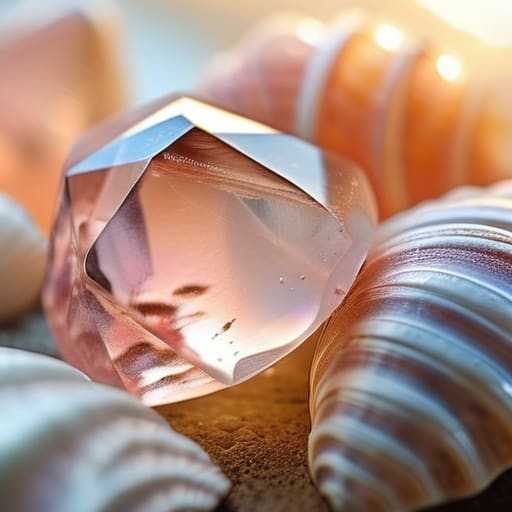
When you look at a tray of morganite, the first thing you’ll notice is that “pink” is a massive understatement. The color shifts constantly depending on the light and the specific trace elements trapped in the crystal lattice. I usually see them in shades that remind me of a shoreline at dawn—some are a very pale, washed-out peach, like a seashell left too long in the sun, while others lean into a saturated, fleshy rose. These morganite color variations are largely driven by manganese, and it’s that chemical signature that dictates the stone’s character.
You have to be careful when shopping, though. Because the market is flooded with heated stones, you’ll often see a deep, vibrant pink that looks almost too perfect. This is where people start comparing morganite vs pink sapphire; while a sapphire has a much higher refractive index and a certain “fire,” morganite has a softer, more milky glow. If a stone looks like a bright, neon pink-red, it might be a different mineral entirely. I prefer the stones that look like they’ve just been pulled from a cold tide pool—subtle, slightly translucent, and deeply honest about their composition.
The Real Morganite vs Pink Sapphire a Practical Comparison
When you’re looking at a pink stone under a loupe, it’s easy to get turned around. I’ve spent enough hours in the lab to know that the market is flooded with stones that look “close enough” to the untrained eye. The most common confusion I see is morganite vs pink sapphire. If you’re looking at a stone that has a sharp, electric pinkness—the kind that looks like a bright hibiscus petal after a heavy rain—you’re likely looking at a sapphire. Sapphires are corundum, much harder and more structurally dense. Morganite, being part of the beryl mineral group classification, tends to have a softer, more diffused glow. It looks more like the pale, milky peach of a sunset reflecting off a wet pier.
To tell them apart, look at the light. A sapphire often has a certain “fire” or intense saturation that feels concentrated. Morganite is more transparent and serene, with its color often appearing to sit just beneath the surface rather than being trapped inside a dense crystal. Because of these distinct chemical structures, the morganite gemstone value and rarity are driven by clarity and that specific peach-to-rose hue, whereas sapphire value is all about that saturated, gemstone-grade intensity.
Unmasking Rare Pink Beryl Varieties and What They Truly Mean
When you move beyond the standard peach tones of morganite, you stumble into the territory of the truly unusual. Most people don’t realize that within the beryl mineral group classification, there are outliers that rarely make it to a jeweler’s bench. I’m talking about those deep, raspberry-toned pinks or the almost neon, salmon-colored specimens that look like a piece of sea glass pulled from a freezing North Sea tide. These rare pink beryl varieties aren’t just slightly different shades; they often possess a different chemical “signature” that dictates how they catch the light.
Finding these is a bit like finding a perfectly intact piece of amber on a rocky shore—you know they exist, but they aren’t sitting on every shop counter. Because they are so much harder to source, the morganite gemstone value and rarity climb significantly. You won’t find these in a standard bulk shipment. If someone offers you a “rare pink beryl” that looks as clear and consistent as a piece of candy, I’d suggest checking the inclusions under a loupe. Real rarity usually comes with a bit of character, a tiny flaw or a specific crystal structure that tells the story of how it grew.
Understanding Morganite Gemstone Value and Rarity in Todays Market
When you start looking at the price tags for morganite, you quickly realize that not all pink beryl is created equal. In the lab, I see a massive spectrum of quality that dictates the morganite gemstone value and rarity. It isn’t just about the size of the stone; it’s about the saturation of that peach-pink hue. A stone that looks like a pale, washed-out sunset—almost like a piece of sea glass after a storm—will always be more affordable than one with a deep, concentrated rose glow.
The market is also heavily influenced by clarity. Because morganite belongs to the beryl mineral group, it can host inclusions that might be acceptable in an emerald but will tank the value of a morganite. If you see a stone that is “eye-clean,” you’re paying a premium. I also see people get caught up in the gemstone healing properties marketed online, but if you are looking at the stone from a purely investment or aesthetic standpoint, focus on the color stability and the lack of fractures. A well-cut, high-saturation stone is what holds its worth when you decide to move it on.
Gemstone Healing Properties What the Stone Is and What It Isnt
When people ask me about gemstone healing properties, I usually give them a look that is somewhere between a shrug and a smile. I spent years in a lab looking at the crystal lattice of beryl, and I can tell you that the atoms don’t care about your chakras. A morganite doesn’t have a heartbeat, and it won’t change its chemical composition just because you’re having a bad week. From a purely geological standpoint, the stone is a silicate mineral, a beautiful arrangement of beryllium, aluminum, and silicon. It is stable, hard, and quite indifferent to human emotion.
That said, I’m not here to be a cynic. If holding a stone with a certain peach-colored hue makes you feel more grounded or helps you breathe a little easier, that is a perfectly valid human experience. Whether you view it as a tool for intention or just a pretty piece of geology, the value is in how you interact with it. I can tell you the difference between morganite vs pink sapphire based on refractive index and hardness, but I can’t tell you how a stone will make you feel. That part is entirely up to you.
A Note on the Pink Beryls
At the end of the day, morganite is just beryl with a bit of manganese playing in the crystal lattice; it’s a mineral with a specific chemistry and a specific hardness, and while some people see it as a conduit for love, I just see a beautiful piece of geology that happens to look like a peach skin after a heavy rain.
Dagny Solheim
Finding Your Own Way with Morganite
We have covered a lot of ground, moving from the chemical structure of the beryl family to the practical ways you can distinguish a genuine morganite from a pink sapphire or a lab-grown imitation. You now know that whether the stone is a pale peach or a color like wet sea glass in the morning light, its value is rooted in its mineral composition and its clarity. I have tried to strip away the marketing fluff so you can see the stone for what it actually is: a silicate mineral with a specific hardness and a predictable crystal habit. Understanding the difference between a rare pink beryl and a common morganite isn’t about gatekeeping; it is about making sure you know exactly what you are holding in your hand before you spend your money.
At the end of the day, my job ends when the loupe comes away from the eye. I can tell you the refractive index and the chemical formula, but I cannot tell you how a stone will make you feel or why you might want to wear it. If you find a piece of morganite that catches the light like a sun-drenched tide pool, and it brings you a sense of peace or simply looks beautiful against your skin, then that is its true purpose. Whether you view it as a geological marvel or a companion for your personal rituals, the stone is real, and what you do with that reality is entirely up to you.
