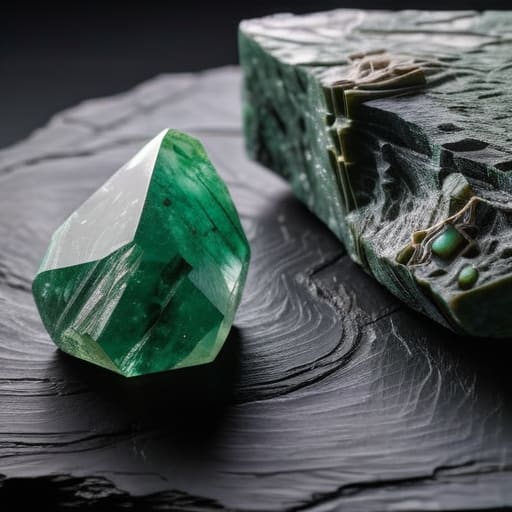
I remember sitting in a cramped grading lab in Bergen, squinting through a loupe at a pile of “premium” green stones that had just arrived from a supplier. One particular piece looked like the deep, mossy green of a forest floor after a heavy rain, but as I prodded it, the texture felt all wrong. It wasn’t the dense, interlocking structure of true jade; it was the waxy, slightly greasy feel of serpentine. This is the reality of the market: there is a massive, ongoing confusion regarding serpentine and why it is often sold as jade, and frankly, it’s exhausting to watch people pay premium prices for what is essentially a much more common mineral.
I’m not here to lecture you on the spiritual vibrations of your jewelry, nor am I going to give you some flowery sales pitch. My goal is much simpler. I’m going to tell you exactly what makes up serpentine, how its chemistry differs from jadeite and nephrite, and how to spot the difference before you hand over your hard-earned money. Once you know what you’re actually holding, you can decide if it’s a treasure or just a bit of rock—that part is entirely up to you.
Understanding Serpentine and Why It Is Often Sold as Jade
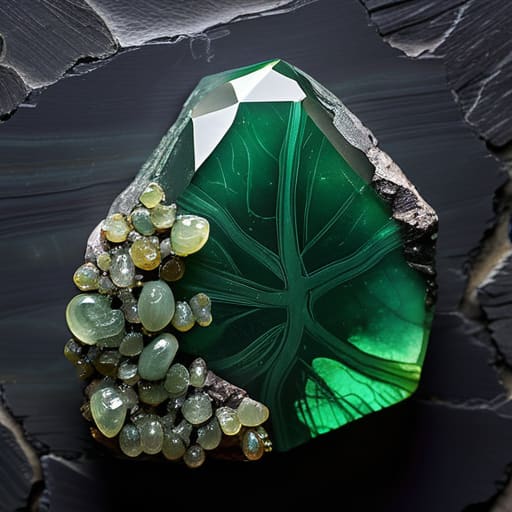
To understand why this mix-up happens, you have to look at the chemistry. Serpentine is a group of minerals that share a similar serpentine mineral composition, often rich in magnesium and silica. When it’s particularly vibrant, it can take on a lush, deep green that looks remarkably like the real thing. It’s a bit like the difference between a deep fjord and a shallow bay; at first glance, the color tells the same story, but the structure underneath is entirely different.
The reason it ends up in jewelry boxes under a different name is simple: profit. Genuine jadeite or nephrite is expensive and rare, whereas serpentine is relatively abundant. Sellers know that a casual buyer looking for a “green stone” won’t necessarily know the difference between a high-end gem and a common silicate. When you are distinguishing serpentine from nephrite, you aren’t just looking at color; you are looking at how the crystals are knit together. One is a dense, interlocking masterpiece of nature, while the other is often more prone to fracturing and lacks that specific, waxy luster that true jade possesses.
Key Things to Know
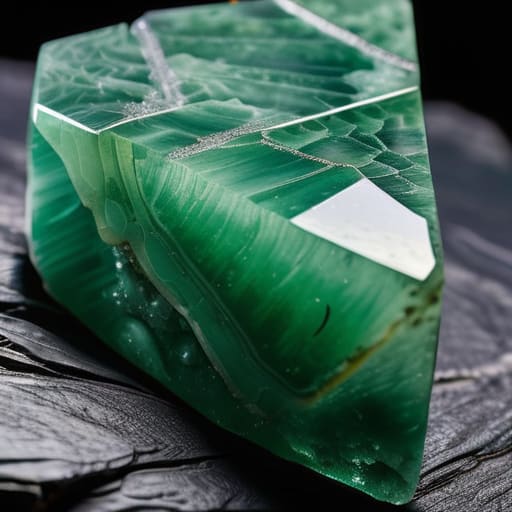
If you’re looking at a green stone, the first thing you need to check is the texture. Real jade—whether it’s nephrite or jadeite—has a dense, interlocking structure that feels substantial, almost oily, to the touch. Serpentine, on the other hand, often feels a bit more “waxy” or even slightly soapy. When I’m looking at green stone mineralogy, I’m looking for that tight, fibrous grain. Serpentine tends to be more prone to surface scratches because the hardness of serpentine vs jadeite is a significant gap; jadeite sits comfortably at 6.5 to 7 on the Mohs scale, while serpentine often struggles to get past 5 or 6.
You can also use a simple scratch test if you aren’t in a lab. If a piece of steel can leave a mark on the stone, you aren’t holding jade. This is one of the most basic gemstone identification tests I used back in the grading lab. It’s not foolproof, but it’s a good starting point for how to spot imitation jade before you hand over your money.
Practical Tips and Steps
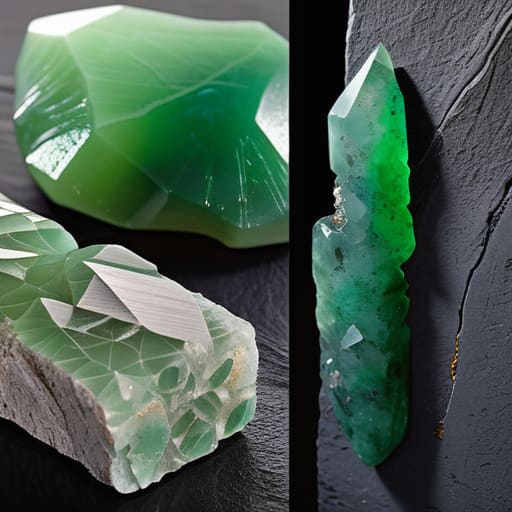
If you’re standing in a shop or scrolling through a listing, you can start with a simple touch test. I always think of the difference in texture like the difference between a smooth river pebble and a piece of dried clay. Jadeite or nephrite will feel cold to the touch and incredibly dense, whereas serpentine often feels slightly more “waxy” or even a bit greasy. If you can scratch the stone with a copper penny or a steel knife, you’re almost certainly looking at a fake; the hardness of serpentine vs jadeite is a massive giveaway, as true jade is much more resilient.
Beyond the feel, take a close look at the surface under a bright light. I look for tiny, fibrous patterns or a certain “clumpiness” in the color. Serpentine often has a mottled, uneven look, like seaweed washed up on a dark beach, while high-quality jade tends to have a more consistent, deep translucency. When it comes to gemstone identification tests, don’t feel like you need a laboratory, but if the stone looks suspiciously bright or “plastic-y” in its greenness, trust your gut.
Common Mistakes to Avoid
The biggest mistake I see is relying solely on a quick glance at the colour. People often walk into a shop, see a deep, forest-green stone, and assume they’ve found a bargain on jade. But colour is the easiest thing to fake. I’ve seen serpentine treated with dyes to make it look like a lush, wet moss, but that’s just a surface trick. If you aren’t looking at the texture or the way the light hits the internal structure, you’re essentially flying blind.
Another pitfall is skipping the basic gemstone identification tests because you feel rushed. I often see buyers ignore the weight of the piece. Jade is dense; it has a certain “heft” that stays with you when you hold it. Serpentine is much lighter, almost hollow-feeling by comparison. You also shouldn’t overlook the hardness of serpentine vs jadeite. If you can scratch the stone easily with a steel blade or even a heavy fingernail, you aren’t holding jade. Don’t let a pretty polished surface distract you from the actual green stone mineralogy underneath.
Final Thoughts
At the end of the day, whether you end up with a piece of true jadeite or a bit of serpentine doesn’t change the fact that you’ve found something beautiful. I’ve spent years looking through a loupe, and I’ve learned that the thrill of the find is often more about the connection you feel to the object than its market value. If you’ve followed these gemstone identification tests and realized your stone is actually serpentine, don’t feel cheated. It still has a fascinating history written in its chemistry.
Knowing the green stone mineralogy behind what you hold just gives you a clearer picture of the world. If you can master the basics of distinguishing serpentine from nephrite, you’ll stop being a passive consumer and start being a collector. Whether you keep the stone for its geological story, wear it as jewelry, or use it for something more spiritual, you’re doing it with your eyes wide open. And honestly, that’s the best way to enjoy any stone.
The Truth in the Texture
Serpentine is a beautiful mineral in its own right, often with a green as deep and slick as a pebble pulled from a fjord, but it lacks the dense, interlocking structure that makes jade what it is. People sell it as jade because they can, but once you know the difference between a silicate and a true jadeite, you stop looking for magic and start looking at the actual science of the stone.
Dagny Solheim
Final Thoughts
At the end of the day, distinguishing between serpentine and jadeite comes down to paying attention to the details—the way the light hits the surface, the weight in your palm, and that telltale, waxy luster that looks like moss after a heavy rain. Remember that serpentine is a silicate mineral with a much lower hardness, and while it can be polished to a beautiful shine, it lacks the dense, interlocking structure that makes true jade so resilient. If you’ve checked the hardness, looked for those telltale inclusions, and weighed the price against the claims, you’ve done the hard work of separating the real from the imitation.
Whether you end up with a piece of precious jadeite or a lovely specimen of serpentine, don’t let a bit of mislabeling ruin your connection to the stone. I’ve spent years under a microscope, and I can tell you that a mineral’s value isn’t solely defined by its market price or its chemical purity. If a stone speaks to you, if its color reminds you of the deep, dark Atlantic or if it simply feels right in your hand, then it has done its job. Science tells us what a stone is made of, but you decide what it means to you.