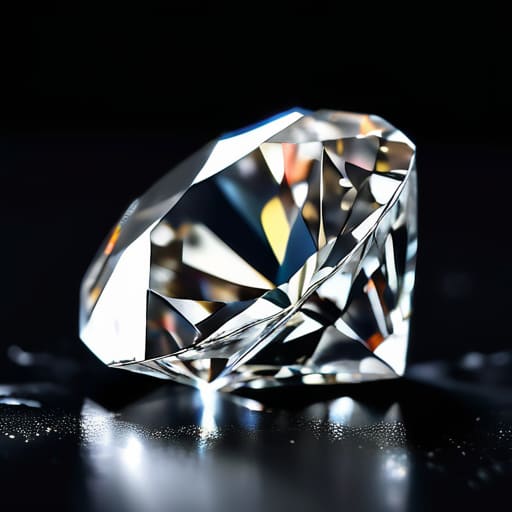
I spent six years hunched over a microscope in a grading lab, staring at stones until my eyes felt like they were full of grit. I’ve seen people walk into boutiques with eyes glazed over by marketing brochures, convinced that a bigger number on a certificate is the only metric that matters. They fall into the trap of chasing a massive stone, only to realize too late that they’ve traded away every ounce of life in the gem. It’s a frustrating cycle, and frankly, the industry does a poor job of explaining the math of carat weight and what you give up to get it. You think you’re buying a masterpiece, but you might just be buying a cloudy, lifeless hunk of carbon that happens to be heavy.
I’m not here to sell you a dream or some mystical energy reading. My goal is to pull back the curtain on the trade-offs between size, color, and clarity so you can see the actual mineral for what it is. I’ll show you exactly how a jump in carat weight can sabotage the sparkle you’re actually looking for. Once you understand the chemistry and the physics of the compromise, you can decide what’s worth your money.
The Illusion of Mass Carat Weight and What You Give Up to Get It
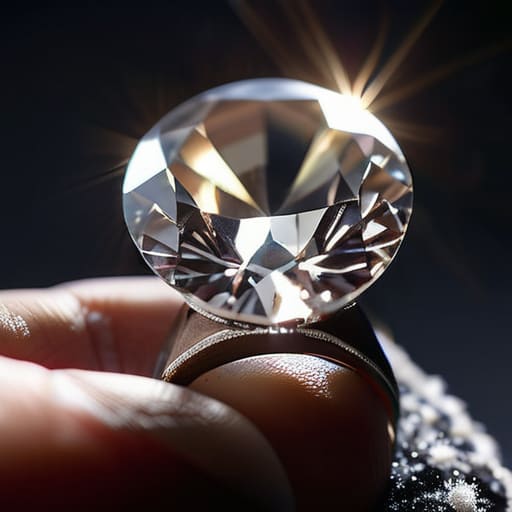
When you look at a stone through a loupe, the first thing that hits you isn’t the weight; it’s how it handles the light. There is a persistent trap in this industry where people chase a higher number on the scale, forgetting that a heavy stone is often just a heavy stone. If you push for a massive carat weight, you are almost always pulling from the other side of the scale. You might end up with a diamond that looks like a dull, milky pebble because you sacrificed too much on the gemstone clarity vs carat weight equation. A larger stone with significant inclusions doesn’t look “expensive”—it just looks like a bigger piece of glass with flaws.
I’ve sat in labs where a 1.5-carat stone with excellent proportions looked twice as vibrant as a 2-carat stone that had been “over-sized” by a poor cut. This is the core of the diamond four Cs balance. When a cutter tries to maximize weight, they often shave off the corners or flatten the pavilion, which kills the light performance. You end up with a stone that has a large footprint but zero soul. You’re paying for mass, but you’re losing the very thing that makes a gemstone catch the light like a wet stone under a North Sea sun.
The Diamond Four Cs Balance Why Size Isnt Everything
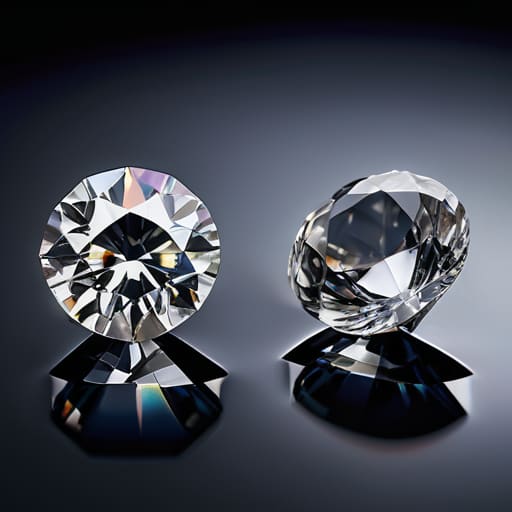
When I was working the bench in the lab, I saw it constantly: someone paying a massive premium for a stone that looked like a dull piece of sea glass because they were obsessed with the weight. It’s a trap. You have to look at the diamond four Cs balance as a zero-sum game. If you push the carat weight higher, you’re almost always pulling from the other three pillars to keep the price from spiraling into the stratosphere. You might get a larger stone, but you’ll likely find it’s leaning towards a lower color grade or has inclusions that look like tiny clouds trapped in ice.
It’s really about optimizing gemstone value rather than just chasing a number on a certificate. I often tell people to watch out for the discrepancy between visual size vs actual carat weight. A well-cut 0.90-carat diamond can actually look much larger and more vibrant than a poorly cut 1.00-carat stone that’s lost its light to a shallow pavilion. To me, a stone that dances with light is worth infinitely more than a heavy, sleepy rock that just sits there.
Gemstone Clarity vs Carat Weight Choosing Substance Over Scale
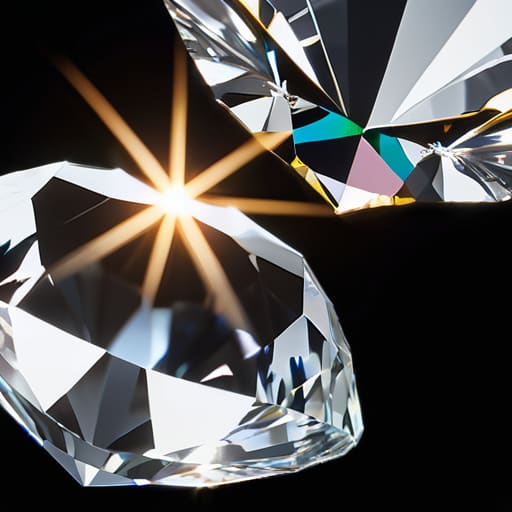
When I was working in the lab, I saw it all the time: someone would point to a stone that looked massive under the loupe, only to realize it was essentially a piece of cloudy glass. This is the core of the gemstone clarity vs carat weight debate. You can buy a stone that is technically heavy, but if it’s riddled with inclusions—those tiny fractures or mineral spots—the light just gets trapped inside. Instead of dancing, the stone looks dead. It’s like looking at a pebble at the bottom of a murky fjord; you know it’s there, but you can’t actually see the details.
If you want to avoid that, you have to focus on optimizing gemstone value by looking for a sweet spot. I usually suggest finding a stone with “eye-clean” clarity even if it means dropping a fraction of a carat. A slightly smaller, crisp stone will always look more expensive and vibrant than a large, milky one. It’s about prioritizing how the light interacts with the facets rather than just chasing a number on a certificate.
The Hidden Cost of Color Grade Impact on Stone Size
Then there’s the color. In the gem world, color is often treated as a separate pillar, but it’s deeply entwined with how much mass you can actually afford. If you’re looking at a colorless diamond, you’ll quickly realize that as the stone gets larger, finding that perfect, icy lack of tint becomes exponentially harder and more expensive. You end up in a tug-of-war where you’re either paying a massive premium for a larger, colorless stone, or you’re accepting a heavy yellow or brown tint just to keep the carat number high.
I often see people get caught in this trap, thinking they’ve found a bargain on a big stone, only to realize the color grade impact on stone size has turned their diamond into something that looks like a piece of old amber. It’s a classic case of visual size vs actual carat weight being skewed by a lack of purity. You might have a two-carat stone, but if it has a saturation that looks like tea left sitting in the sun too long, it won’t have that crisp, clean brilliance you were expecting. It’s all about finding that sweet spot in the diamond four Cs balance where the hue doesn’t swallow the light.
Visual Size vs Actual Carat Weight Dont Be Fooled by Numbers
Here is the thing about carat weight: it is a measure of mass, not a measure of what your eye actually sees. I’ve spent countless hours in the lab looking at stones that technically weighed more but looked significantly smaller than their neighbors. This usually comes down to how the stone was shaped. If a cutter is too aggressive, trying to maximize the carat weight, they often end up with a “deep” stone. It’s like a heavy, wet piece of granite you find on the shore—it feels substantial in your hand, but when you lay it flat, it’s actually quite small.
In a diamond, this often means the weight is hidden in the pavilion, tucked away where light can’t reach it. You end up paying for weight that doesn’t translate to surface area. To avoid this, you have to look at cut quality and light performance rather than just the number on the certificate. A well-cut stone might have a lower carat weight, but because it is proportioned correctly, it occupies more visual space and catches the light better. When you are optimizing gemstone value, remember that a slightly lighter, better-cut stone will almost always outshine a heavy, poorly shaped one.
Cut Quality and Light Performance the Real Soul of the Stone
You can buy a massive stone, but if the facets are cut poorly, that weight is just dead mass. I’ve spent countless hours under a loupe looking at stones that should have been spectacular but instead look like dull, milky pebbles. When the angles are off, the light doesn’t bounce back to your eye; it leaks out the bottom like water through a sieve. You end up with a heavy, dark object that lacks life. It’s a classic mistake in the diamond four Cs balance—prioritizing the scale of the mineral over how it actually interacts with the light.
A well-cut stone can often look larger and more vibrant than a poorly cut stone that weighs more on a scale. This is where you see the true difference between visual size vs actual carat weight. A precision cut maximizes the “fire”—that flash of spectral color—and the “scintillation,” which is the sparkle when the stone moves. If you sacrifice cut quality to chase a higher number, you aren’t just losing brilliance; you’re losing the very thing that makes a gemstone feel alive.
Optimizing Gemstone Value Buying the Truth Not the Hype
When you stop chasing the biggest number on the certificate, you actually start seeing the stone. I’ve spent enough hours hunched over a microscope to know that the most expensive mistake isn’t buying a small stone; it’s buying a stone that looks dead because you prioritized mass over everything else. To get it right, you have to stop looking at the carat weight as a standalone metric and start looking at it as a component of a larger system.
The real trick to optimizing gemstone value is finding the “sweet spot” where the scale meets the soul. If you are looking at a sapphire, for instance, don’t let a slightly higher color grade push you into a stone that is so dark it looks like a puddle of ink after a storm. Instead, look for that perfect intersection of the diamond four Cs balance—or its gemstone equivalent—where the light actually has room to dance. You want a stone that feels substantial in the hand but maintains its character. If you can find a gem that hits that middle ground, you aren’t just buying weight; you’re buying a piece of geology that actually performs.
The Weight of Compromise
When you’re staring at a certificate, don’t let a big number blind you to what the stone actually is. You can buy a massive carat weight, but if you’re paying for it by accepting a stone that’s cloudy, muddy, or cut like a pancake, you aren’t buying a gem—you’re just buying a heavy piece of glass. I’d rather have a smaller stone that holds light like a sunlit tide pool than a giant one that looks dead on the finger.
Dagny Solheim
The Final Trade-off
At the end of the day, buying a stone is a series of negotiations. You can chase a massive carat weight, but you’re going to pay for it in duller color, murky inclusions, or a cut that leaks light like a sieve. I’ve spent enough hours under a loupe to know that a heavy, poorly cut stone often looks smaller and much sadder than a lighter, well-proportioned one. It’s about finding the sweet spot where the mineral’s physical reality meets your budget. Whether you’re looking for a centerpiece or a subtle accent, remember that size is just a number on a certificate, and it doesn’t tell the whole story of how that stone will actually live on your hand.
When you finally hold that stone in your palm, forget the spreadsheets and the grading scales for a second. If the light hits it and makes you feel something—if the color looks like a deep teal sea after a storm or a clear spring morning—then you’ve won. Science tells us what the stone is made of, but it can’t tell you if you’ll love it. Don’t let the pursuit of a higher decimal point rob you of the actual magic of the gem. Buy the stone that speaks to you, not just the one that fills the most space, because at the end of the day, you’re the one who has to wear it.
