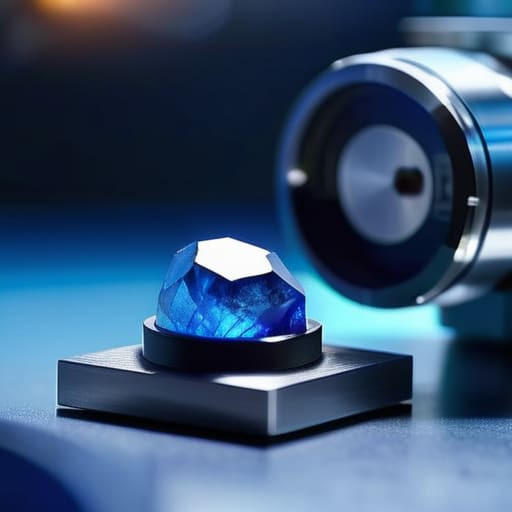
I remember sitting in a cramped grading lab in Bergen, the air smelling faintly of ozone and cleaning solvents, staring through a loupe until my eyes felt like they were swimming in salt water. People often imagine a gem lab is this high-tech, mystical sanctuary where stones are judged by some divine standard, but the reality is much more grounded. Most people are terrified of the cost or the “verdict,” wondering what actually happens when a stone goes to a gem lab and if the truth will ruin their investment. They think it’s a trial, but it’s really just a very intense, very detailed conversation between light and matter.
I’m not here to sell you on the magic or charge you for a sense of wonder. My goal is to pull back the curtain and show you the actual tools, the specific tests, and the unvarnished science used to separate a natural sapphire from a lab-grown imitation. I’ll tell you exactly how we identify the composition and the history written inside the crystal, so you can see through the marketing fluff. Once you have the facts, what you choose to do with that knowledge is entirely up to you.
Beyond the Velvet Box What Actually Happens When a Stone Goes to a Gem Lab
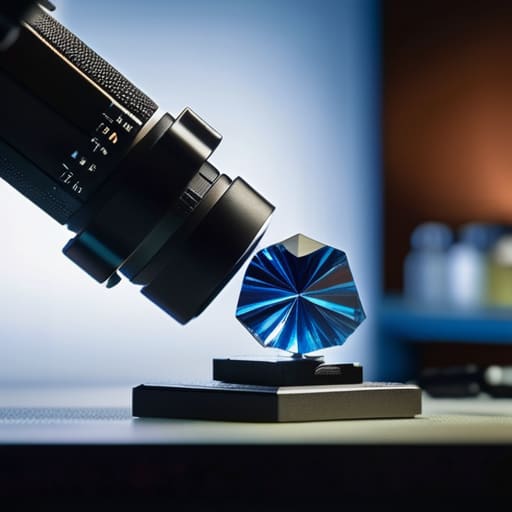
When a stone arrives, it doesn’t just sit on a desk waiting for a verdict. It goes through a sequence of interrogation. First, we look at the basics—the things a keen eye might catch, like a specific type of inclusion or a peculiar way light bounces off an internal fracture. We use refractive index testing gems to establish the baseline; it’s essentially measuring how much the light bends as it enters the crystal. If the math doesn’t match the mineral we suspect, we know we’re looking at a pretender.
From there, we move into the heavy lifting. This is where we use spectroscopic analysis of gemstones to peer into the very atomic structure of the piece. It’s a bit like looking at a fingerprint. This step is vital for detecting gemstone treatments, such as whether a sapphire has been heat-treated to boost its colour or if a diamond has been irradiated. We aren’t just guessing based on a hunch; we are looking for the chemical signatures left behind by human intervention. By the time the report is finished, we know exactly what that stone is made of.
The First Glance Gemstone Authenticity Verification Without the Guesswork
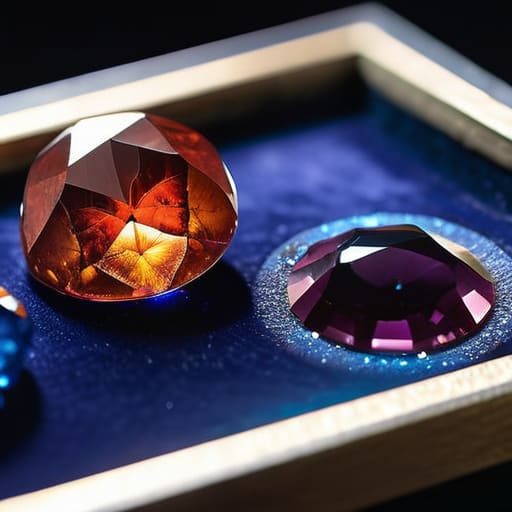
Before we even turn on the heavy machinery, there is the matter of the first look. This isn’t about intuition or “vibes”; it’s about the physical reality of the specimen. I usually start with a high-powered loupe or a microscope, looking for the tell-tale signs of how a stone was born. I’m searching for inclusions—tiny, trapped bubbles or mineral crystals that act like a fingerprint. If a stone looks too perfect, like a piece of sea glass polished until it’s unnaturally smooth, that’s my first red flag. We use various gemological identification techniques at this stage to see if the internal landscape matches what the seller claims.
Once the visual inspection is done, we move into the math of the stone. One of the most reliable ways to narrow things down is through refractive index testing gems. Every mineral bends light in a very specific, predictable way. It’s like checking the density of a piece of driftwood versus a piece of granite; the physics don’t lie. If the light bends in a way that doesn’t match the supposed mineral, we know we’re looking at a clever imitation rather than the real thing.
Piercing the Veil Using Spectroscopic Analysis of Gemstones to Find Truth
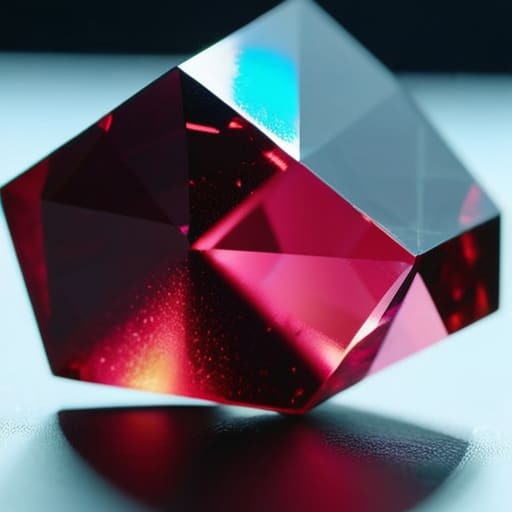
Once we’ve moved past the loupe and the basic refractive index testing gems, we get into the heavy lifting. This is where we stop guessing and start looking at the light itself. Using spectroscopic analysis of gemstones, we aren’t just looking at the surface; we are looking at how the crystal lattice absorbs specific wavelengths of light. It’s a bit like looking at a fingerprint, but instead of ridges, we’re looking at the unique “signature” left by trace elements like chromium in a ruby or iron in a sapphire.
This part of the process is vital for detecting gemstone treatments that the naked eye simply cannot see. For instance, a spectrometer can often tell if a stone has been heavily irradiated or if a color has been artificially enhanced through diffusion. It’s not about being cynical; it’s about knowing exactly what you are holding. When these results are compiled into the final laboratory grading report components, you get a map of the stone’s chemical reality. I find there is a certain peace in that—moving from the “maybe” of a visual inspection to the unshakeable certainty of a spectrum.
Seeing Through Deception Detecting Gemstone Treatments and Hidden Histories
Once we know what the mineral is, the next question is always: how much has it been “improved”? Most stones aren’t born perfect; they are born with inclusions, cracks, or dullness. In the lab, we look for the fingerprints of human intervention. This is where detecting gemstone treatments becomes an art form as much as a science. I’ve spent hours looking for the tell-tale signs of heat treatment in sapphires, searching for those tiny, microscopic bubbles or color shifts that look like a sunset hitting a tide pool. If a stone has been glass-filled to hide its flaws, the refractive index won’t behave quite right, and the light will pass through it with a suspicious, oily smoothness.
It isn’t just about finding “fakes,” though. It’s about knowing the history. A stone might have been irradiated to turn a pale yellow zircon into a vibrant blue, or treated with oil to stabilize a fracture. We use various gemological identification techniques to peel back these layers. Whether it’s a heavy fracture-filling or a subtle heat treatment, the goal is to document the truth. Once that’s written in the grading report, the stone’s history is laid bare. What you choose to pay for that history is, as always, your call.
The Science of Light Mastering Refractive Index Testing Gems
Once we’ve moved past the visual inspection and the spectroscopy, we get into the heavy lifting of refractive index testing gems. Think of the refractive index (RI) as a mineral’s unique fingerprint for how it bends light. Every crystal structure handles light differently; some let it pass through with minimal deviation, while others bend it sharply, like light hitting the surface of the North Sea on a choppy morning. In the lab, we use a refractometer to measure this exact degree of bending. It is one of the most reliable gemstone authenticity verification tools we have because, unlike color, a stone’s RI is tied directly to its physical density and atomic arrangement.
If I’m looking at a stone that looks like a deep, forest-green emerald—the kind of color that looks like moss under a layer of seawater—I need to know if it’s actually beryl or just a clever piece of glass. By measuring the RI, I can quickly narrow down the possibilities. If the numbers don’t match the known constants for beryl, the mystery is solved. It’s a precise, mathematical way of stripping away the guesswork and getting down to the hard data of what the stone actually is.
Decoding the Paper Understanding Laboratory Grading Report Components
Once the heavy lifting of the testing is done, you’re left with a piece of paper. To some, it looks like a wall of jargon, but these laboratory grading report components are really just the stone’s biography written in a very specific, clinical shorthand. I’ve spent years squinting at these documents, and I’ve learned that the most important thing isn’t the fancy letterhead, but how the data connects. You’ll see the results of the spectroscopic analysis of gemstones alongside the physical measurements, and it’s your job to see if they tell a consistent story.
Don’t let the technicality intimidate you. A good report should clearly state the mineral species and, crucially, any evidence of detecting gemstone treatments. If a sapphire has been heat-treated to turn a color like a bruised plum, the report should tell you. If it’s just a piece of glass, the weight and refractive index won’t add up. I treat these papers as a map; they show you exactly where the stone has been and what it’s hiding, leaving you free to decide if you still want to hold it.
The Final Verdict Gemological Identification Techniques That Strip Away Ill
By the time we reach this stage, the heavy lifting is done. We aren’t just guessing anymore; we are building a profile based on hard data. When we combine refractive index testing gems with the specific absorption patterns we found earlier, the stone has nowhere to hide. It’s a bit like looking at a tide pool after a storm—once the silt settles, you see exactly what’s sitting on the bottom. We take all those disparate pieces of evidence—the hardness, the specific gravity, and the chemical fingerprints—and we knit them together.
This is where the different gemological identification techniques stop being individual tests and start becoming a single, cohesive truth. It isn’t about being cynical; it’s about being certain. Whether the stone is a natural sapphire or a high-end synthetic, the data doesn’t care about the price tag or the marketing story. It only cares about the molecular structure. Once the lab reaches this final consensus, the illusion is stripped away, leaving you with nothing but the unvarnished reality of the mineral in your hand.
The Truth Beneath the Loupe
A lab isn’t a place of magic or judgment; it’s just a place where we strip away the marketing to find the mineral underneath. I don’t care if you want to believe a stone has a soul or just a chemical formula—my job is simply to tell you which one you’re actually holding.
Dagny Solheim
The Truth Under the Lens
We’ve walked through the whole process, from that first look through a loupe to the heavy lifting done by spectrometers and refractive index testers. A gem lab isn’t some magic chamber; it’s just a place where we use physics to strip away the marketing. We look for the chemical fingerprints, the light-bending properties, and the tiny, tell-tale signs of heat treatment or glass filling that a seller might have glossed over. By the time a report is printed, we’ve moved past the pretty colors and focused entirely on the mineral composition and the stone’s history. You end up with a document that tells you exactly what you are holding, stripped of any guesswork or salesmanship.
At the end of the day, knowing the difference between a natural sapphire and a lab-grown simulant doesn’t change the way the light dances inside the stone. Whether you hold a piece of jewelry because it’s a rare, untreated miracle of geology or simply because you love the way it looks against your skin, that is your choice. I find there is a certain peace in the facts. Once you understand the hard science behind the sparkle, you can stop worrying about being fooled and just start appreciating the stone for what it actually is.
