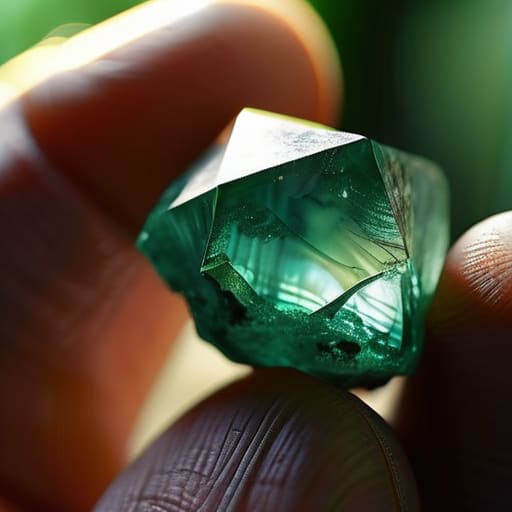
I spent six years hunched over a bench in a grading lab, staring through a loupe until my eyes felt like they were full of sand. I’ve seen enough “certified” stones to know that a glossy certificate often says more about a company’s marketing budget than the actual dirt the stone came from. People come to me wanting peace of mind, but they get lost in a sea of jargon regarding ethical sourcing and what the labels really promise. It’s easy to slap a gold seal on a box and call it “conflict-free,” but if you don’t know how to look past the paper, you’re just buying a very expensive story.
I’m not here to sell you on a lifestyle or a spiritual awakening. My goal is much simpler: I want to give you the actual mechanics of how these supply chains work and how to spot the gaps between the paperwork and the reality. I will show you which certifications actually hold weight and which ones are just expensive window dressing. I’ll tell you what the minerals are and where the trail usually goes cold; what you decide to do with that knowledge is entirely your own business.
The Veneer of Virtue Ethical Sourcing and What the Labels Really Promise
When I see a certificate printed on heavy, cream-colored cardstock claiming a stone is “ethically sourced,” my first instinct isn’t to celebrate; it’s to look for the paper trail. There is a massive difference between a marketing department’s promise and actual traceability in gemstone supply chains. I’ve sat in labs where the paperwork looks impeccable, yet the stone’s journey from a pit in Africa to a cutting bench in Thailand is a complete black box. Many companies use these labels as a thin layer of paint to hide the messy reality of how minerals are actually pulled from the earth.
It is easy to fall into the trap of greenwashing in mineral mining, where a brand uses one “responsible” supplier to claim their entire inventory is clean. True conflict-free gemstone verification requires more than just a signature; it requires seeing the ledger from the mine to the cutter. I don’t care much for the vague adjectives used in sales brochures. I want to know the specific site, the labor conditions, and the environmental reclamation plan. If they can’t give you the hard data, they aren’t being ethical—they’re just being good at branding.
Unmasking the Greenwashing in Mineral Mining
I’ve spent enough hours hunched over a microscope to know that a shiny marketing brochure doesn’t change the chemistry of a mine. When you see a brand claiming total sustainability, you have to look for the gap between their adjectives and their data. This is where greenwashing in mineral mining thrives; it’s easy to slap a leaf icon on a box, but it’s much harder to prove that the cobalt or the mica wasn’t pulled from a site with zero safety oversight.
Real traceability in gemstone supply chains isn’t just a vague promise of “kindness.” It requires a paper trail that survives a heavy rainstorm. I look for specific, audited evidence of where the ore actually moved from the pit to the cutter. If a company uses broad, sweeping terms without mentioning specific fair trade certification standards or third-party audits, my internal alarm goes off. They aren’t telling you the history of the stone; they are just selling you a version of it that makes you feel better about the purchase.
Tracing the Vein True Traceability in Gemstone Supply Chains
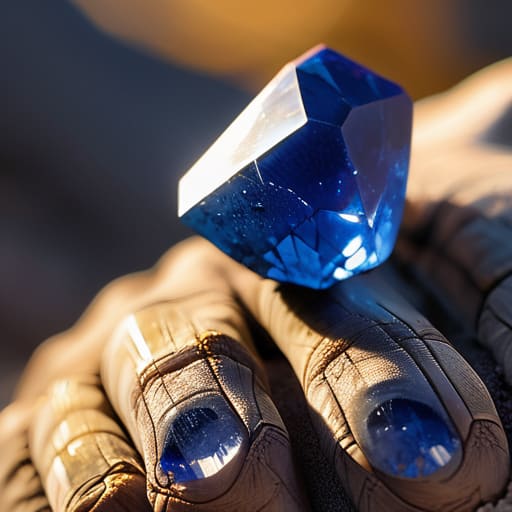
When I was working in the lab, I used to look at a rough sapphire and wonder about the specific hole in the ground it crawled out of. Most people think traceability is just a fancy word on a certificate, but real traceability in gemstone supply chains is a gritty, logistical nightmare. It’s not enough to say a stone is “ethical”; you need to know the mine, the local cooperative, and the specific route it took to reach the cutter. If a supplier can’t tell you the specific province or the name of the mining community, they aren’t being transparent—they’re just being vague.
I’ve seen too many “conflict-free” claims that rely on paperwork that could be forged by anyone with a printer. True supply chain transparency in jewelry requires more than just a signature; it requires a chain of custody that follows the physical stone from the earth to the setting. It’s about verifying that the person who dug the mineral was paid a living wage and worked in a stable environment. I don’t care if you use the stone for a high-end engagement ring or a pocket charm, but knowing the actual lineage of that mineral makes the connection to it much more solid.
Beyond the Sticker Real Conflict Free Gemstone Verification
When you’re looking at a piece of jewelry, a little sticker or a certificate saying “conflict-free” can feel like a heavy weight being lifted. It’s easy to trust a printed word, but in my years in the lab, I’ve learned that a piece of paper is only as good as the data behind it. Real conflict-free gemstone verification isn’t just about checking a box; it’s about the grueling, often messy work of auditing every hand that touched the stone, from the pit in the ground to the cutting bench.
If a jeweler tells you their stones are ethical, don’t just nod. Ask them how they know. I prefer to see evidence of supply chain transparency in jewelry that goes beyond a vague marketing slogan. This means looking for companies that can actually name the mine or the cooperative they work with. It’s the difference between a company that says, “We promise we’re good,” and one that can show you the actual ledger of where their sapphires or emeralds originated. One is a claim; the other is a record.
Fair Trade Certification Standards vs the Reality on the Ground
When you see a little logo promising fair trade certification standards, it’s easy to feel like the hard work is done. It looks clean, professional, and definitive. But in my experience, there is often a massive gap between a certificate printed in an office and the actual dust on a miner’s boots. These standards are excellent frameworks, but they are often snapshots in time. A mine might pass an audit on a Tuesday, but by Friday, the reality of the local economy or the safety protocols can shift entirely.
The truth is that supply chain transparency in jewelry is rarely a straight line; it’s a messy, tangled web of middle-men, local traders, and exporters. A certification can tell you that a cooperative follows certain rules, but it can’t always guarantee that a single bag of rough stones wasn’t swapped out midway through a bumpy truck ride. I don’t mean to be cynical, but I’ve learned to look for actual documentation—like geological reports or direct site photos—rather than just trusting a shiny sticker. A label is a starting point, not the final word.
The Hidden Map Supply Chain Transparency in Jewelry
When I look through a loupe, I’m seeing the crystal structure, but I’m also thinking about the hands that pulled it from the earth. Most people think of a supply chain as a straight line from a mine to a ring, but in reality, it’s a tangled web of middlemen, cutters, and exporters. True supply chain transparency in jewelry means being able to name those players. It isn’t enough to say a stone is “natural”; I want to know if the person who dug it out of the ground was paid enough to buy a decent meal, or if the paperwork was just handed over by someone who hadn’t seen the mine in years.
A lot of the industry relies on a “paper trail” that is often more about looking organized than being honest. You’ll see certificates that look official, but they often only track the stone from the last port of call, not the actual pit. If a company can’t tell you the specific region or even the country of origin, they aren’t being transparent—they’re just being vague. I’ve learned that if the history of a stone feels cloudy, like a piece of quartz pulled from a silt-heavy river, it usually is.
Honest Hands What Responsible Mining Practices Actually Look Like
If you want to move past the marketing gloss, you have to look at the actual dirt and the people digging in it. Real responsible mining practices aren’t about a shiny PDF certificate sitting in a corporate office; they are about the physical reality of the pit. I’m talking about whether the miners have structural support in their tunnels that won’t collapse, whether the local water supply stays clear of tailings, and if the wages actually cover a life, not just a meal. When I look at a stone, I think about the hands that pulled it from the earth. If those hands are working in unsafe conditions for pennies, no amount of fancy branding can fix that.
It’s also about the local community’s footprint. A mine shouldn’t just extract value and leave a crater; it should leave something behind, like schools or clean infrastructure. True traceability in gemstone supply chains means knowing that the money from a sapphire actually trickles down to the village it came from, rather than getting swallowed by a middleman in a glass tower. It’s less about a perfect score on a checklist and more about a consistent, verifiable commitment to human dignity.
## The Paper Trail vs. The Stone
A certificate can tell you a stone is conflict-free, but it can’t tell you if the person who dug it out of the earth was paid enough to buy a decent meal. I’ve spent enough time looking through a loupe to know that a polished surface and a fancy stamp are often just ways to hide a messy history.
Dagny Solheim
The Weight of the Stone
We’ve spent a lot of time pulling back the curtain on what these certifications actually mean. From the gap between a shiny “fair trade” sticker and the reality of a mine site, to the messy, fragmented way a gemstone travels from a vein in the earth to a velvet box in a shop, the truth is rarely as clean as a marketing brochure. Labels are useful tools, but they aren’t a substitute for actual scrutiny. You have to remember that a certificate is just a piece of paper; it doesn’t change the mineralogy of the stone or the physical labor that pulled it from the ground. Knowing the difference between a verified supply chain and a well-funded greenwashing campaign is the only way to ensure that your collection isn’t built on a foundation of unseen costs.
At the end of the day, I don’t care if you buy your stones for their chemical composition, their refractive index, or because you think they hold a certain kind of energy. That is your business. But I do think it matters that you know what you are holding. When you look at a sapphire that has the deep, saturated blue of the North Sea after a storm, try to see more than just the color. Try to see the hands that found it and the path it took to reach you. When we demand true transparency, we aren’t just being difficult customers; we are acknowledging that every beautiful thing has a history, and that history deserves to be honest.
