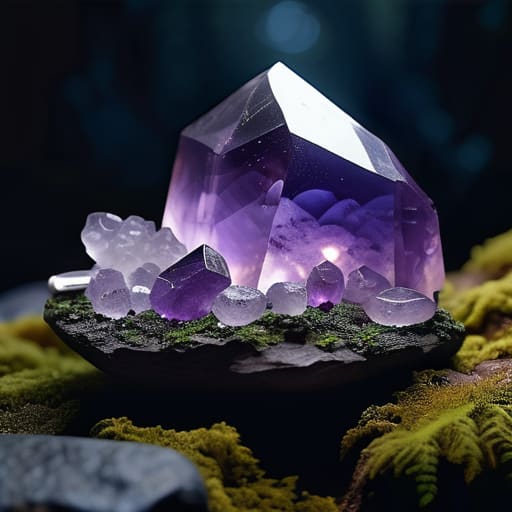
I spent six years in a grading lab, staring through a loupe at the microscopic inclusions that tell a stone’s true history, so I have a very low tolerance for expensive, airy nonsense. I see people online selling “moon-charged” kits for ridiculous prices, acting as if the lunar cycle is some kind of high-voltage battery for quartz. It makes me roll my eyes because it ignores the actual mineralogy of what you’re holding. I want to strip away the marketing fluff and give you the truth about full moon charging and what it does and does not do for your collection.
I’m not here to tell you that the moon is going to physically alter the crystalline lattice of your amethyst—that’s just not how physics works. What I will do is explain the difference between scientific reality and the ritualistic ways people connect with their stones. I’ll tell you what the light actually does to certain sensitive minerals and what is simply human intention at work. Once we get the facts straight, what you decide to do with your stones is entirely up to you.
Understanding Full Moon Charging and What It Does and Does Not Do
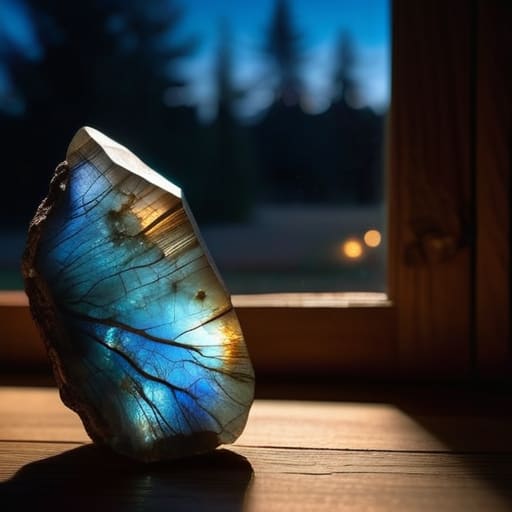
When people talk about recharging gemstones under full moon light, they often treat it like a battery being plugged into a wall. From a geological standpoint, the moon isn’t sending a physical charge into a silicate or a carbonate; it’s just a rock reflecting sunlight. However, I’ve spent enough time in labs to know that the lunar cycle spiritual significance isn’t something you can disprove with a microscope. If you believe that the shifting phases of the moon influence the rhythm of the world, then placing a piece of labradorite on a windowsill during a full moon is a way of syncing your tools with that rhythm.
There are plenty of misconceptions about moon charging that make it sound like magic physics. You aren’t changing the Mohs hardness of a diamond or the chemical composition of a quartz cluster by leaving it outside. What you are doing is participating in a ritual. For some, cleansing crystals with moonlight is a way to reset their intention; for others, it’s just a beautiful way to let a stone sit in the dark. I don’t care which camp you fall into, but I do think it’s worth knowing the difference between chemical change and personal ritual.
Key Things to Know
First, let’s get the logistics straight. If you are planning on recharging gemstones under full moon light, you don’t need a laboratory setup or a specific ritualistic altar. From a geological standpoint, moonlight is just reflected sunlight, albeit much weaker and shifted in spectrum. It isn’t going to physically alter the crystal lattice or change the chemical composition of your quartz or feldspar. If you’re looking for a way to reset your intention or simply want a reason to pause and look at your collection, then the practice holds weight.
However, there are several misconceptions about moon charging that I see constantly in online shops. People often claim that certain stones will “vibrate” or change color if left out too long. This isn’t happening. A piece of labradorite isn’t going to suddenly gain more labradorescence because of the lunar cycle. What is happening is a psychological shift; you are taking a moment to acknowledge the stone’s presence. Whether that counts as a spiritual benefit or just a bit of nice mindfulness is entirely up to you.
Practical Tips and Steps
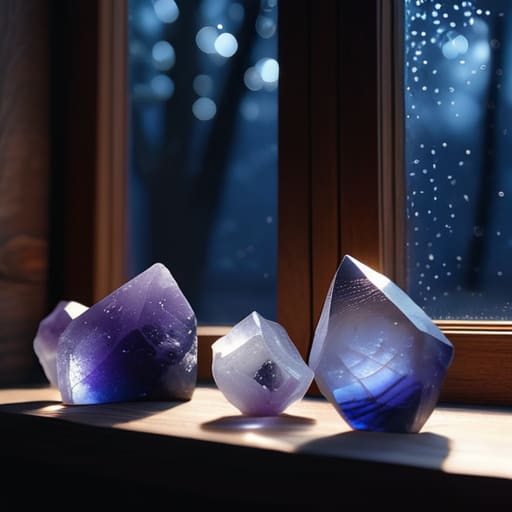
If you’re going to try this, don’t overthink the logistics. If you have a window that catches the light, you can leave your stones on the sill. If you want to be more hands-on, take them outside. I usually wait until the moon is high and the air is crisp—it feels more intentional that way. Just be mindful of the chemistry; I’ve seen too many people leave delicate things like selenite or fluorite out in the damp night air, only to find they’ve become cloudy or even started to dissolve. Cleansing crystals with moonlight is a gentle process, so you don’t need to leave them out for days. A single night is plenty.
When you’re setting things up, try to avoid the temptation to perform a massive, choreographed ceremony if that’s not your style. You don’t need incense or specific chants to make it work. Simply placing your pieces in a clear spot is a fine way of recharging gemstones under full moon light. Whether you believe it’s shifting their subtle energy or you just like the ritual of it, the most important step is simply being consistent with your own practice.
Common Mistakes to Avoid
The biggest mistake I see is treating your collection like a chemistry experiment gone wrong. People often forget that not every mineral reacts to light or moisture the same way. If you are recharging gemstones under full moon light, please check the hardness and stability of the stone first. I once saw someone leave a piece of selenite out in a damp garden to “soak up the energy,” only to have it partially dissolve by morning. It’s a beautiful stone, but it’s a soft sulfate, not a piece of granite. If your stone is water-soluble or prone to fading in UV light, keep it indoors behind a window.
Another slip-up involves the sheer amount of expectation people place on the process. There are plenty of misconceptions about moon charging suggesting that a single night will fundamentally alter the atomic structure of a quartz crystal. It won’t. While the lunar cycle has its own rhythm, the stone isn’t going to suddenly change its refractive index or chemical composition just because it sat on a windowsill. Treat it as a moment of pause or a way to reset your own headspace, rather than a way to perform alchemy.
Final Thoughts
At the end of the day, whether you’re out by the coast in the dark or just sitting on your balcony, the ritual is yours. I don’t care if you think the moonlight is physically altering the lattice structure of your quartz or if you just find the quiet of the night helpful for resetting your own head. Both are valid ways to interact with the world. There are plenty of misconceptions about moon charging out there—people acting like the moon is a cosmic battery that will suddenly turn a piece of glass into a diamond—but if the practice helps you feel more grounded, then it has served a purpose.
I’ll stick to the mineralogy, and you can stick to the lunar cycle spiritual significance. If you choose to spend your night recharging gemstones under the full moon, do it because it feels right, not because a textbook told you it’s a scientific requirement. Whether you see it as a way of cleansing your crystals or just a way to pause and breathe, the stone will still be the same composition it was yesterday. It’s just a little more meaningful when you’ve taken the time to look at it.
The Physics and the Feeling
A full moon isn’t going to rewrite the chemical bonds of a quartz crystal or change its Mohs hardness, no matter what the glossy brochures tell you. What it might do is give you a quiet moment to sit with the stone and actually look at it—to see how the light hits the inclusions and remember why you bought it in the first place. Whether that’s ‘recharging’ or just being mindful is entirely up to you.
Dagny Solheim
Final Thoughts
At the end of the day, full moon charging isn’t some magical reset button that rewrites the chemical structure of your stones. A piece of quartz is still silicon dioxide whether it has sat under a lunar cycle or in a dark drawer, and no amount of moonlight will turn a synthetic spinel into a natural one. What we’ve discussed is about the ritual and the intention you bring to the table. By cleaning your stones and setting them out, you are essentially performing a maintenance check—clearing away the mental clutter and making space to actually notice the mineral in your hand. Whether you believe the moon is physically altering the stone’s energy or you’re just using the light to facilitate a moment of mindful connection, the result is the same: you are paying attention.
I’ve spent enough years looking through a loupe to know that the most interesting thing about a gemstone is its history—the heat, the pressure, and the eons it took to form. If placing your labradorite on a windowsill during a full moon helps you feel more grounded or more connected to the world around you, then that is a real effect, regardless of what a physics textbook says. Don’t get caught up in the fear of “doing it wrong” or worrying if the clouds blocked the light. The stones are ancient, patient, and quite sturdy. Use them how you like, treat them with respect, and enjoy the quiet beauty of the earth sitting in the palm of your hand.
