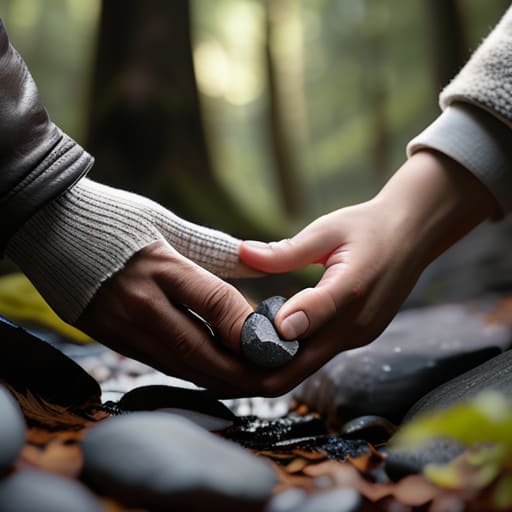
I spent six years in a grading lab, squinting through a loupe until my eyes felt like they were filled with sand, mostly to separate the real from the manufactured. I’ve seen people spend a small fortune on “healing” stones that are actually just dyed glass or heat-treated scraps, sold under the guise of deep emotional connection. It’s frustrating because when we talk about the stones people give each other, we aren’t just talking about mineralogy; we’re talking about intentions. But somewhere between the geological reality of a crystal and the sentiment behind a gift, the truth gets buried under layers of expensive marketing and vague mysticism.
I’m not here to tell you that a piece of quartz will solve your life problems, but I am going to tell you what that stone actually is. I’ll show you the difference between a genuine specimen and the cheap imitation being passed off as a treasure, so you know exactly what you’re holding. My goal is to give you the scientific backbone to match the sentiment. Once you understand the hardness, the chemistry, and the history of the gift, what you choose to believe about it is entirely up to you.
Understanding the Stones People Give Each Other
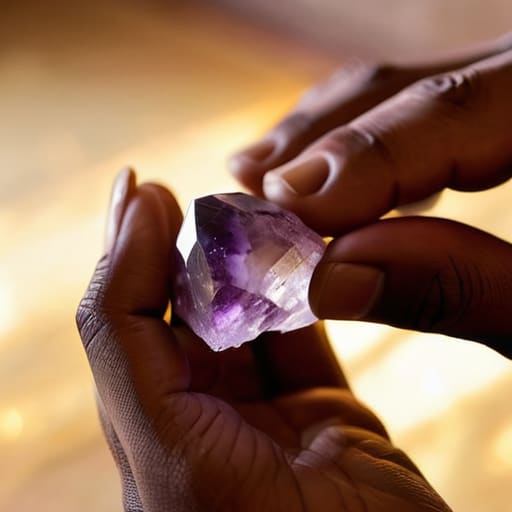
When people hand over a piece of mineral, they aren’t just passing a physical object; they are handing over a specific intent. I’ve spent years looking at stones under a microscope, and while I care about the lattice structure of a crystal, I’ve realized that the symbolism of gemstone gifts often matters more to the person holding them than the clarity of the inclusion. Whether it’s a rough piece of amethyst or a polished river stone, the gesture carries a weight that a lab report simply can’t capture.
Usually, these exchanges fall into two camps. There are the people looking for the spiritual significance of crystals, seeking a stone that “matches” a person’s energy or a specific life transition. Then there are those who simply see a shape or a color that reminds them of a shared memory. I don’t distinguish between the two. If someone gives you a piece of quartz because they think it will bring you peace, that is a valid use of the stone. My job is just to make sure you know exactly what you’re holding.
Key Things to Know
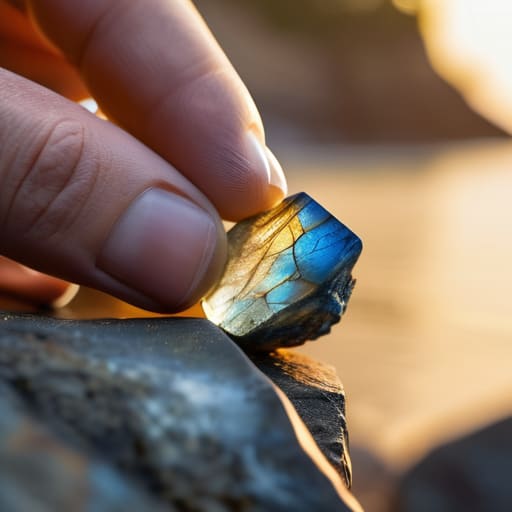
First, let’s strip away the marketing fluff. When someone hands you a piece of quartz or a polished jasper, they aren’t just handing you a chemical compound of silicon dioxide or iron oxide; they are handing you a physical placeholder for a feeling. I’ve spent years looking at stones through a loupe, and while I can tell you the exact inclusion pattern that proves a stone is natural, I can’t measure the intent behind the gift. Whether someone is looking for the symbolism of gemstone gifts to mark a milestone or just found a pretty bit of labradorite on a beach, the mineral’s hardness doesn’t change the weight of the gesture.
You should also realize that the “why” varies wildly. Some people lean heavily into the spiritual significance of crystals, believing the lattice structure holds a specific energy. Others just like the way a piece of amethyst looks on a windowsill when the morning light hits it, making it look like deep, bruised violet water. I don’t care which camp you fall into. My job is to make sure that if you’re buying a gift, you actually know if you’re buying a real garnet or a piece of colored glass.
Practical Tips and Steps
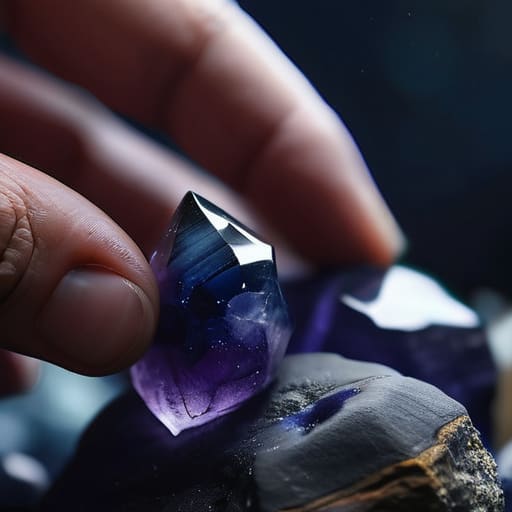
If you’re looking to pick something out, start with the physical reality of the stone rather than a catalog of vague promises. If you want to give a gift that lasts, look for something with a high Mohs hardness—think quartz or even a sapphire if you’re feeling ambitious. A soft stone like fluorite might look beautiful, like the deep, bruised purple of the North Sea before a storm, but it will scratch if it’s kept in a pocket with keys. When people talk about the symbolism of gemstone gifts, they often forget that the stone’s durability is part of the story. A hard stone says “this lasts”; a soft stone says “this is a moment.”
Don’t feel pressured to find a stone with a specific “energy” if that doesn’t resonate with you. Instead, focus on the tactile connection. I often find that the best sentimental stone gift ideas are those that match the person’s temperament—a smooth, water-worn river pebble for someone calm, or a sharp, prismatic crystal for someone with a bit of an edge. Once you’ve checked the mineral composition and made sure it isn’t just dyed glass, the rest is up to you.
Common Mistakes to Avoid
The biggest mistake I see is people getting caught up in the spiritual significance of crystals before they even know if they’re holding the real thing. I’ve seen people spend a fortune on something they think is a high-vibration amethyst, only to realize it’s actually heat-treated glass. If you are looking for sentimental stone gift ideas, don’t let the excitement of the gesture blind you to the mineralogy. Check the hardness; if it scratches easily or feels unnaturally warm, it’s probably not what the seller claimed.
Another pitfall is overthinking the symbolism of gemstone gifts to the point of paralysis. People often worry they’ve chosen the “wrong” stone for a friend, as if a piece of quartz has a strict moral code. There is no manual for the meaning of giving friendship stones that guarantees success. Whether you choose a piece because of its chemical composition or because the color reminds you of the North Sea after a storm, the intent is what carries the weight. Just make sure you aren’t buying a fake simply because the marketing told you it was “magical.”
Final Thoughts
At the end of the day, whether you are handing someone a polished piece of labradorite or a smooth piece of sea glass, you are handing them a physical piece of a moment. I don’t care much for the heavy-handed claims about energy fields, but I do respect the symbolism of gemstone gifts. A stone is a constant. It doesn’t change its chemistry just because we’ve decided it represents a friendship or a memory, and there is something deeply grounding about that.
If you’re looking for sentimental stone gift ideas, don’t feel pressured to find something expensive or rare. A simple piece of quartz found on a walk can carry just as much weight as a faceted sapphire if the intent is there. I’ve spent years looking at stones through a loupe, and while I can tell you exactly what the mineral composition is, I can’t tell you what it will mean to the person receiving it. That part is entirely up to you. Just know that once the stone is in their hands, its history—both geological and personal—is just beginning.
The weight of a gift
When someone hands you a stone, they aren’t handing you a piece of magic or a scientific miracle; they are handing you a physical piece of history that they thought looked like you. Whether it’s a piece of quartz or a high-grade sapphire, the value isn’t in the mineral’s hardness or its refractive index—it’s in the fact that someone saw a specific shade of blue, like the sea right after a storm, and wanted you to hold it.
Dagny Solheim
One Last Look
At the end of the day, whether you are buying a piece of jewelry for a partner or picking up a tumbled stone for a friend, the basics remain the same. You need to know if you are holding a piece of silicate or a piece of glass, and you need to understand the difference between a stone’s physical properties and the stories we wrap around it. I’ve spent enough time behind a loupe to know that a stone’s value isn’t just in its Mohs hardness or its refractive index, but in the fact that it is tangible and real. If you can identify the mineral and verify its origin, you’ve done the hard part of ensuring the gift is honest.
Once you know what the stone actually is, the rest of the heavy lifting is up to you. If you want to believe a piece of rose quartz carries the warmth of a specific intention, or if you just like how it looks like a wet pebble pulled from a stream, that is your prerogative. I don’t care about the mysticism as much as I care about the truth of the specimen, but I recognize that the truth of a stone is often found in how it makes a person feel. A stone is just a bit of history held in your hand; what you do with that history is entirely your own business.
If you find yourself holding a stone that was given to you as a symbol of a specific connection, you might want to look deeper into the timing of when that person entered your life. Sometimes the mineral itself is just the physical anchor, but the underlying energy of the relationship is what actually sticks. I’ve found that if you want to see how your personal rhythms align with theirs, it helps to lay two charts over each other to see if the math of your lives actually matches the weight of the stone in your hand. It doesn’t change the chemistry of the crystal, but it adds a bit of context to the story behind it.