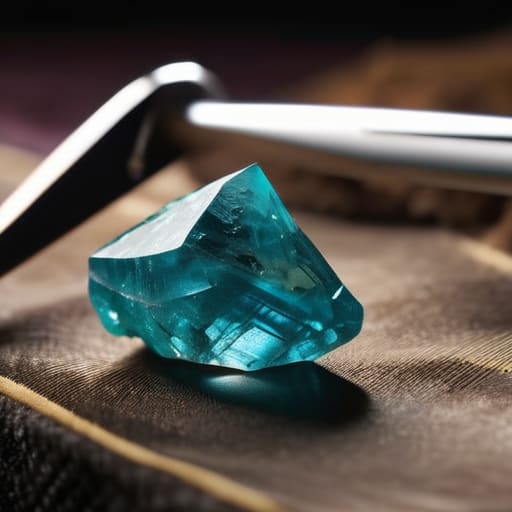
I remember sitting in a cramped grading lab in Bergen, the fluorescent lights humming overhead, staring through a loupe at a parcel of stones that looked like neon seawater. One particular piece of apatite—a shade of blue so electric it looked like a shallow tide pool hitting white sand—shattered the moment the setter applied too much pressure. It’s a frustrating reality that many online sellers gloss over with flowery language about “energy,” but the truth about apatite and why jewellers treat it carefully is much more grounded in mineralogy. It isn’t about bad luck or cosmic shifts; it’s about the fact that this stone is physically temperamental and prone to cleavage.
I’m not here to sell you on crystals that can heal your aura, nor am I here to lecture you on how to live your life. My goal is to give you the straight facts on what apatite actually is, its chemical makeup, and the specific reasons it’s so fragile in a setting. I will show you how to distinguish the real thing from the glass imitations often sold as “blue apatite,” and I’ll explain the practical realities of wearing it. Once you understand the science, what you decide to do with the stone is entirely up to you.
The Blue Deception Decoding Apatite Color and Clarity Characteristics
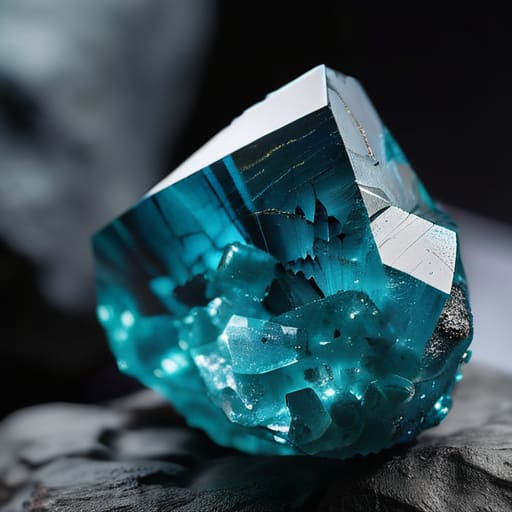
When you look at a piece of blue apatite, you’re usually looking at a color that reminds me of the North Sea just after a storm—that deep, saturated teal that looks almost too bright to be natural. Because the color is so striking, people often mistake it for sapphire or even high-end turquoise. To understand the apatite color and clarity characteristics, you have to look past the hue. In a good specimen, the color is distributed fairly evenly, but you’ll often see tiny internal fractures or “veils” that catch the light. These aren’t necessarily flaws; they are the stone’s signature.
The real giveaway, however, isn’t just the color, but how the light interacts with its internal structure. Apatite has distinct apatite crystal cleavage planes, which means if you look closely under a loupe, you might see straight, parallel lines where the crystal wants to split. This is a major reason why we have to be so cautious with it. Unlike a sapphire, which can take a beating, apatite is much more temperamental. If you see a stone that looks perfectly, impossibly flawless and “glassy,” you might actually be looking at blue glass or a synthetic, rather than the complex, storied mineral I’m talking about.
What the Stone Is Understanding Apatite Crystal Cleavage Planes
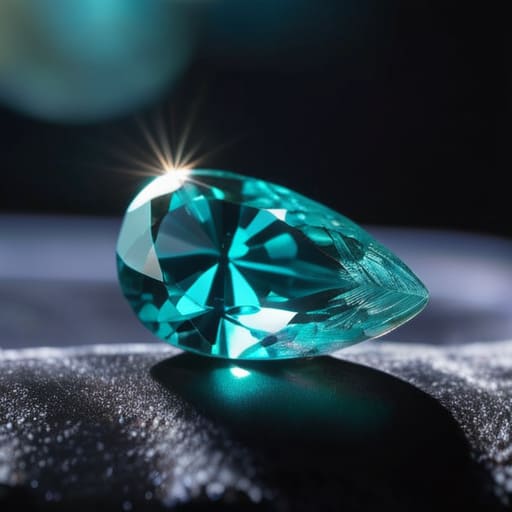
To understand why a jeweler might hesitate to set a piece, you have to look past the color and look at the structure. Apatite is a phosphate mineral, and its internal architecture is a bit of a mess if you’re looking for stability. It possesses distinct apatite crystal cleavage planes, which are essentially internal “fault lines” where the mineral is prone to splitting. If you tap a stone too hard or apply uneven pressure during setting, it won’t just chip; it can split right down the middle along these planes. It’s a bit like trying to build something out of dried clay rather than solid granite.
This structural weakness is compounded by its position on the apatite Mohs hardness scale. Scoring a 5, it sits in that vulnerable middle ground where it’s hard enough to hold a polish, but soft enough to be bullied by everyday life. You can’t just throw an apatite ring into a jewelry box filled with diamonds and expect it to survive the night. It’s not a stone for the reckless; it’s a stone for people who appreciate a specific, fleeting kind of beauty that requires a bit of deliberate care.
The Hardness Truth Navigating the Apatite Mohs Hardness Scale
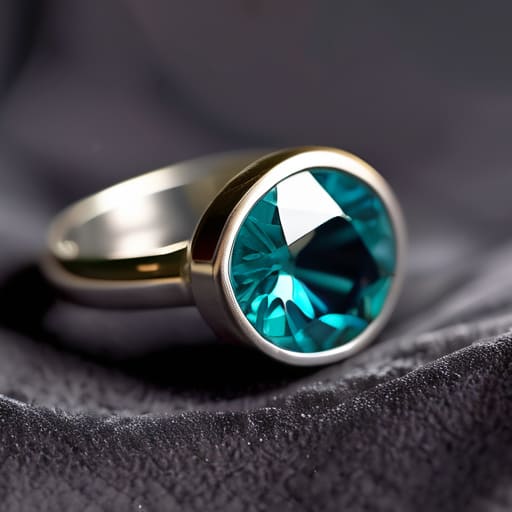
When you look at the apatite Mohs hardness scale, you’ll see it sits at a 5. To put that in perspective, it’s significantly softer than a sapphire or even a quartz. In a lab, I’ve seen stones that look stunning under the loupe, but the moment they hit a ring setting or a heavy-duty cleaning routine, they start to show their age. Because it lacks that structural grit, you have to be mindful of gemstone fragility in jewelry making. If a jeweler isn’t careful with the setting, or if you’re wearing it while doing the dishes, that beautiful surface can dull faster than you’d expect.
It isn’t just about surface scratches, though. Because of those internal planes I mentioned earlier, the stone can actually chip if it takes a hard knock. When I’m advising clients, I tell them that protecting soft gemstones from scratches is mostly about lifestyle. You don’t need to keep it in a vault, but maybe don’t wear your favorite apatite pendant while gardening or lifting weights. If you do get it dirty, just use lukewarm water and a very soft cloth; skip the ultrasonic cleaners entirely.
Apatite and Why Jewellers Treat It Carefully
If you’ve ever seen a piece of apatite in a window display, you probably thought it was a sapphire. It has that same deep, electric blue—the kind of color that looks like the North Sea right after a storm. But once a jeweler gets that stone onto their bench, the mood changes. They don’t treat it like a sapphire; they treat it like a temperamental guest.
The reason comes down to the math of the apatite mohs hardness scale. Sitting at a 5, it’s much softer than the stones we usually use for engagement rings. Because of this, we have to be incredibly mindful of gemstone fragility in jewelry making. If a setter applies too much pressure with their pliers, or if they try to force a stone into a mounting that’s a fraction of a millimeter too small, the apatite won’t just resist—it will shatter along those cleavage planes we talked about earlier.
When you take it home, the care doesn’t stop. You can’t just toss an apatite ring into a jewelry cleaner or scrub it with a harsh brush. If you want to keep that color looking bright, you’ll need to focus on cleaning apatite jewelry safely, which usually means nothing more than lukewarm water and a very soft cloth. It isn’t a “set it and forget it” stone, but if you respect its limits, it remains beautiful.
The Risk of Ruin Gemstone Fragility in Jewelry Making
When you’re sitting at a jeweler’s bench, you learn quickly that a stone’s chemistry dictates its destiny. Because of where it sits on the apatite mohs hardness scale—a modest 5—this mineral doesn’t play by the same rules as a sapphire or a diamond. If you’re making a ring, you can’t just slap an apatite into a high-set prong setting and call it a day. One accidental knock against a granite countertop or a stray scrape from a set of keys, and you aren’t just looking at a surface scratch; you’re looking at a structural failure.
The real danger lies in those internal apatite crystal cleavage planes I mentioned earlier. They are essentially built-in fault lines. If a jeweler applies too much pressure during the setting process, or if the stone takes a sharp impact, it won’t just chip—it might split entirely. This gemstone fragility in jewelry making means the design has to do the heavy lifting of protection. You want low profiles, protective bezels, or recessed settings. You have to build a little fortress around the stone, or you’ll end up with nothing but colorful dust.
Practical Preservation Protecting Soft Gemstones From Scratches
Since we’ve established that apatite sits at a vulnerable 5 on the apatite Mohs hardness scale, you have to stop thinking of it like a diamond. If you toss a ring containing apatite into a velvet-lined jewelry box with your sapphires or even your quartz pieces, you’re asking for trouble. The harder stones will act like tiny saws against the apatite surface. I always tell people to treat these stones like they are made of sea glass—precious, but easily etched. I suggest storing them in individual soft pouches to keep them isolated from the more aggressive minerals in your collection.
When it comes to maintenance, simplicity is your best friend. If you need to be cleaning apatite jewelry safely, skip the ultrasonic cleaners and the harsh chemical dips. The vibrations from an ultrasonic machine can find those internal weaknesses I mentioned earlier and turn a tiny fracture into a split. Instead, use lukewarm water and a tiny drop of mild dish soap. Use a very soft brush, and avoid any scrubbing that might catch on the stone’s edges. It’s about being gentle, not because the stone is “weak,” but because it is structurally specific.
Ownership Without Regret Cleaning Apatite Jewelry Safely
If you’ve decided to wear apatite, you’ve likely fallen in love with that deep, ocean-water blue. But because of the stone’s inherent gemstone fragility in jewelry making, you can’t just treat it like a piece of stainless steel. I’ve seen too many people grab a piece of apatite jewelry and toss it into an ultrasonic cleaner or a heavy-duty steam bath, thinking they’re doing it a favor. In reality, they are inviting disaster. The vibrations and temperature shifts can easily exploit those internal apatite crystal cleavage planes, causing the stone to simply split or shatter right in the setting.
To keep it looking bright, stick to the basics. I recommend using lukewarm water and a tiny drop of mild, phosphate-free dish soap. Use a very soft-bristled brush—think a baby toothbrush—to gently nudge away the skin oils and dust. Avoid any harsh chemicals or even those “natural” cleaners that use citric acid; they are too aggressive for a stone with a relatively low position on the apatite Mohs hardness scale. Just a gentle soak and a soft touch is all it takes to keep that color looking as vivid as a tide pool at low tide.
The Reality of the Stone
Apatite is a beautiful, electric blue mineral, but it isn’t a diamond; it has its own internal architecture of cleavage planes that can give way if you treat it like something indestructible. I’ve seen too many people try to force a soft stone into a hard life, so my advice is simple: respect the chemistry of what you’re wearing, or you’ll end up with nothing but colorful dust.
Dagny Solheim
Final Thoughts on a Temperamental Treasure
At the end of the day, apatite is a bit of a contradiction. It has that striking, neon blue color—the kind that looks like the North Sea right after a heavy rain—but it lacks the structural backbone of something like a sapphire. We’ve talked about its tricky cleavage planes, its modest position on the Mohs scale, and why a jeweler might hesitate to set it in a high-impact ring. It is a stone that demands respect for its physical limitations. If you treat it like a diamond, you’ll end up with a pile of colorful dust; but if you understand that it is a fragile, beautiful mineral with its own set of rules, it can live a very long and happy life in your collection.
I don’t care if you hold your stones for their chemical composition or because you feel they hold a certain energy. My job is simply to make sure you know exactly what you are holding in your hand. Apatite isn’t perfect, and it isn’t indestructible, but there is something deeply satisfying about owning something that requires a bit of intentionality. It isn’t a stone for the careless, but for those willing to learn its history and respect its nature, it offers a brilliance that is entirely its own. Enjoy the color, mind the scratches, and wear it with awareness.