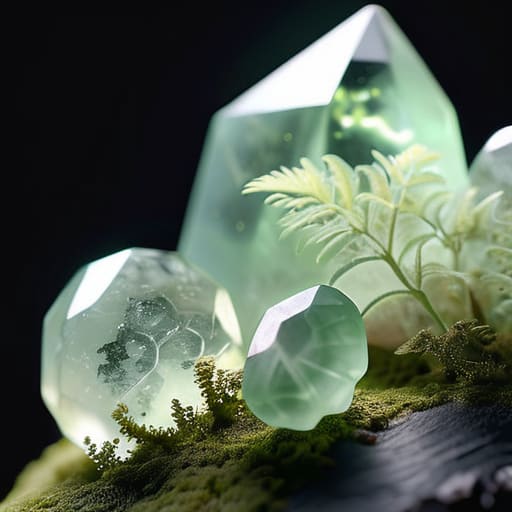
I spent six years in a windowless grading lab, staring through a loupe until my eyes burned, and if there is one thing I learned, it is that the internet loves to turn simple minerals into magical talismans. You’ll see shops online claiming that prehnite and its soft green glow can somehow realign your entire life force or heal your soul, as if a calcium aluminum silicate has a direct line to the universe. It’s exhausting. To me, that specific shade of green isn’t “mystical”—it looks exactly like seaweed clinging to a wet rock after a North Sea storm. It is a beautiful, translucent silicate, but it is a stone, not a miracle worker.
I am not here to sell you on cosmic energy, and I certainly won’t judge you if you want to keep a piece in your pocket for comfort. My goal is much more practical. I want to show you the actual chemistry of this stone and teach you how to distinguish a genuine specimen from the glass imitations that flood the market. I’ll tell you what to look for under the light so you can buy with confidence, and once you have your stone, what you do with it is entirely up to you.
Understanding Prehnite and Its Soft Green Glow
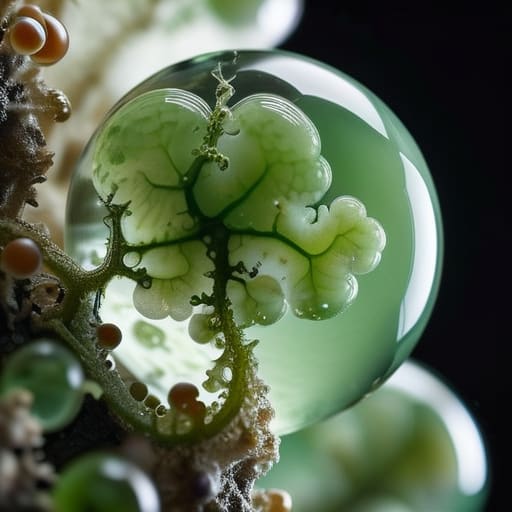
Prehnite is a calcium aluminum silicate, and if you’re looking at a specimen, you’re looking at a complex chemistry of zirconium and iron. It doesn’t have the aggressive, electric vibrance of an emerald; instead, it has a color that reminds me of seaweed clinging to a rock just after the tide has pulled back—a soft, translucent, mossy green. When people talk about identifying prehnite specimens, they should look for that specific, slightly milky clarity and the way it often forms in rounded, botryoidal masses that look like tiny green bubbles.
Because of that gentle hue, it is frequently grouped among calming green crystals, and I see it used quite often in jewelry where the stone needs to feel integrated rather than loud. While some collectors focus heavily on the green gemstone spiritual meaning or the supposed prehnite healing properties, I tend to focus on the mineralogy. Whether you want it for its chemical history or because you find the color soothing during a long day, the stone remains the same: a sturdy, silicate structure that holds its color with a quiet, understated grace.
Key Things to Know
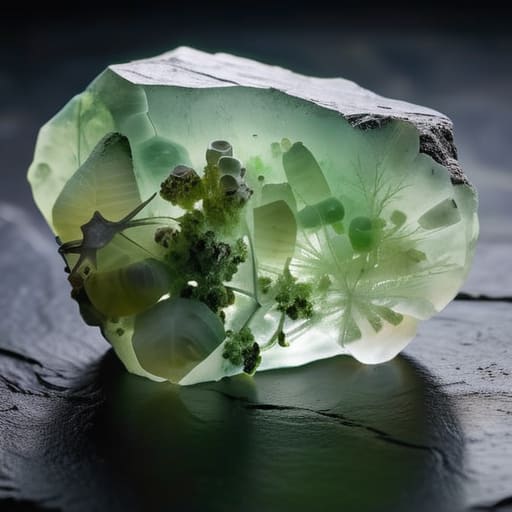
When you’re looking at a piece of prehnite, the first thing to notice is its texture. It isn’t glassy like a quartz; it has a more waxy, almost translucent quality. If you find a specimen that looks like a chunk of frozen seawater or a piece of moss caught in ice, you’re likely looking at the real thing. One of the most important prehnite crystal characteristics to look for is the way light travels through it. It shouldn’t look like a cheap, neon-green piece of glass. Instead, it should have a depth to it, often containing small, rounded inclusions of epidote that look like dark shadows trapped inside a pale green fog.
Because it is relatively soft—about a 6 to 6.5 on the Mohs scale—you won’t see it used in heavy-duty daily wear like a diamond. Instead, you’ll find prehnite stone uses in jewelry mostly in cabochons or delicate pendants where the stone can be protected. People often seek it out for its supposed calming energy, and while I can’t prove the physics of a green gemstone spiritual meaning, I can tell you that holding something with that specific, muted color feels grounding. It’s a steady, reliable stone, both chemically and visually.
Practical Tips and Steps
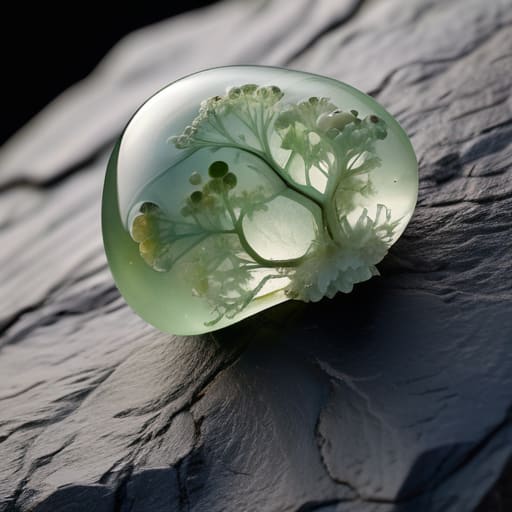
If you’re out at a market or browsing a shop online, you need a way to verify what you’re holding. My first tip for identifying prehnite specimens is to look at the transparency. Real prehnite often has a “cloudy” or “milky” quality, almost like the color of a shallow fjord after a heavy rain. If a stone looks too glass-like or perfectly clear, be suspicious; it might just be green glass or a synthetic imitation. I always check the surface for small, radial fractures or tiny bubbles trapped inside. These aren’t flaws to be ashamed of; they are often the fingerprints of a genuine mineral.
Once you’ve confirmed you have the real thing, the way you handle it depends on why you bought it. If you are interested in prehnite stone uses in jewelry, keep in mind that it is relatively soft—about a 6 to 6.5 on the Mohs scale. Don’t wear a delicate prehnite pendant if you’re planning to go rock climbing or gardening. On the other hand, if you’ve brought it home for its supposed calming presence, just keep it in a safe, dry spot. Whether you’re using it for meditation or just because you like the way it looks on your desk, treat it with a bit of care.
Common Mistakes to Avoid
The biggest mistake I see is people assuming that any translucent green stone is prehnite. I’ve spent many hours under a loupe looking at cheap, dyed chalcedony or even glass that’s been treated to mimic that specific, mossy look. If the color looks too uniform—like a piece of green candy or a plastic bead—it’s likely a fake. Real prehnite has a certain internal complexity; it often looks like it’s trapped in a shallow pool of seawater, with tiny inclusions or even small bubbles of epidote giving it character. When you are identifying prehnite specimens, look for that organic, slightly uneven depth rather than a perfect, synthetic clarity.
Another slip-up happens in the jewelry trade, where sellers lean heavily into the “mystical” side to mask a lack of geological detail. You’ll see shops marketing the prehnite healing properties as a guarantee of quality, but a stone’s supposed energy doesn’t tell you if it’s actually a silicate mineral or just polished scrap glass. Don’t let the sales pitch distract you from the physical reality. Check the hardness and the way light moves through the crystal; if it feels too light or looks too “perfectly” green, walk away.
Final Thoughts
At the end of the day, prehnite is just a calcium aluminum silicate. It doesn’t have a secret mechanism to fix your life, but it is a beautiful, complex mineral that deserves a place in your collection regardless of why you bought it. Whether you are interested in identifying prehnite specimens for their geological rarity or you simply love the way it looks against skin, knowing the science behind it gives you a certain kind of confidence. You aren’t just buying a pretty object; you’re buying a piece of Earth’s history.
If you find yourself drawn to the stone for its perceived energy, that is perfectly fine. I’ve seen people use calming green crystals to ground themselves during a long workday, and there is no harm in that. If the color reminds you of sea glass washed up on a fjord after a storm, then the stone has done its job. Whether you view it through a microscope or hold it in your palm to find a moment of peace, just make sure you know exactly what you’re holding.
A Note on the Glow
Prehnite isn’t trying to be a neon sign; it has a color like moss clinging to a wet granite rock in a fjord, deep and quiet. If a seller tells you it’s glowing because of some hidden energy, they’re selling you a story—but if it has that soft, translucent green light when the sun hits it just right, that’s just good, honest geology at work.
Dagny Solheim
Wrapping It All Up
At the end of the day, identifying prehnite comes down to looking past the hype and focusing on the physical reality of the stone. Remember that real prehnite has a specific chemistry—a calcium aluminum silicate—and that its color should look like seaweed pulled from a cold fjord, not a neon highlighter. Check for those characteristic botryoidal shapes and that translucent, milky depth that glass or dyed quartz just can’t mimic. If you can verify the hardness and see that subtle, internal glow, you aren’t just holding a pretty rock; you are holding a piece of geological history that has survived millions of years of pressure and heat. Don’t let a flashy salesperson distract you from these fundamental truths.
Once you have a genuine piece in your hand, the science ends and your relationship with the stone begins. Whether you want to study its crystal structure under a loupe or you feel a certain peace when you hold its cool weight in your palm, that is entirely up to you. I don’t care much for the claims about “healing frequencies,” but I do care about the connection between a person and the earth. If a stone makes you stop and breathe a little deeper, then it has done its job. Go find something real.