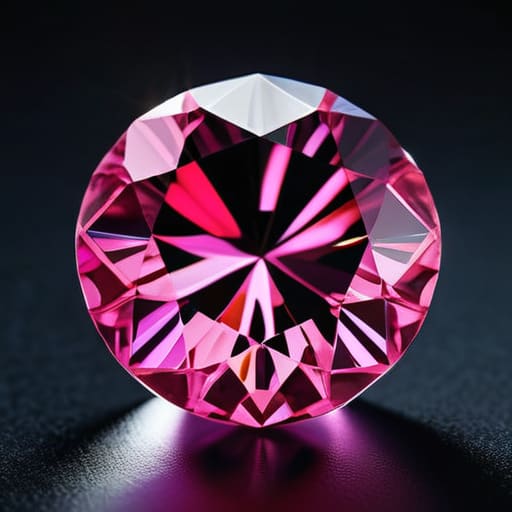
I spent six years hunched over a microscope in a grading lab, and if there is one thing that gets under my skin, it’s the way sellers try to wrap every little flaw in a cloak of “mystical energy.” They’ll show you a stone with two distinct hues and tell you it’s a sign of cosmic balance, when really, it’s just a fascinating bit of chemistry. People get so caught up in the magic that they forget they are holding a piece of the earth’s crust. I want to strip away that fluff and talk about the actual mechanics of bi colour gemstones and how a single crystal splits. It isn’t magic; it’s just how the atoms decided to line up while the stone was cooling deep underground.
I’m not here to sell you a dream or tell you which stone will fix your life. My goal is to show you exactly what you’re looking at—the mineral composition, the way light hits those different zones, and why a stone might shatter along a specific plane if you aren’t careful with it. I’ll give you the straight science on why those colors exist in one piece and what happens to that structure when it breaks. What you decide to do with that knowledge is entirely up to you.
The Truth Behind Bi Colour Gemstones and How a Single Crystal Splits
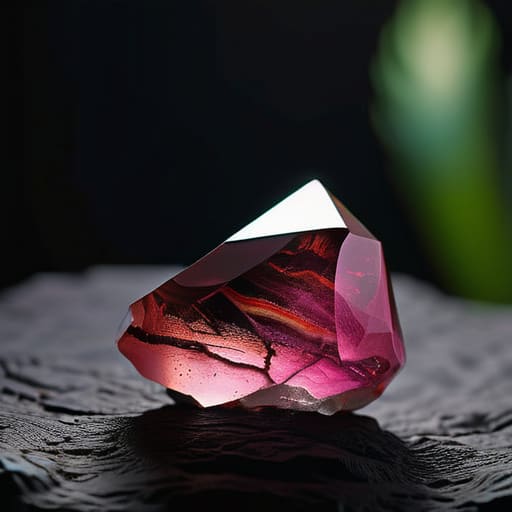
When you look at a bi-color stone, you aren’t seeing two different minerals stuck together. You’re looking at a single crystal that experienced a change in its environment while it was growing. Think of it like a tree ring; as the crystal grows, the chemistry of the surrounding fluid shifts. This is gemstone color zoning explained in its simplest form. One moment, the crystal is absorbing iron, giving it a deep, mossy green that looks like a wet forest floor; the next, the chemistry shifts toward chromium, and you get a flash of pink like a sunset hitting a damp pier.
This happens because of the crystal lattice structure and impurities trapped inside. As the stone forms deep underground, trace elements are pulled into the lattice like ink into a sponge. If those elements aren’t distributed perfectly evenly, you get distinct bands or “zones” of color. It’s also important to understand how these stones behave physically. Because they are a single continuous structure, they still follow the same rules of cleavage. If you hit a bi-color sapphire the wrong way, it won’t care about its pretty colors—it will split along its internal planes just like any other stone.
Tracing Trace Elements in Gemstone Formation to Find the Source
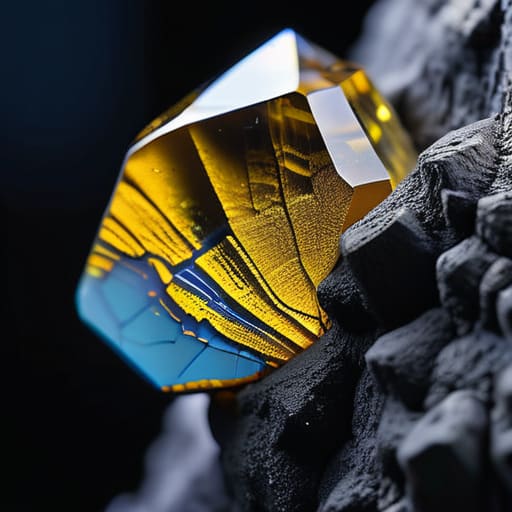
When I’m looking through a loupe, I’m not just looking at the pretty colors; I’m looking for the fingerprints of the earth. A stone doesn’t just “become” blue or yellow by magic. It happens because of trace elements in gemstone formation—tiny amounts of iron, chromium, or vanadium that get caught in the crystal lattice as it grows. Think of it like a recipe where someone accidentally dropped a handful of salt into the batter. If the chemical environment shifts halfway through the growth process—maybe a sudden change in temperature or a new mineral-rich fluid seeps into the pocket—the stone starts recording a new story.
This is how we get those distinct bands of color. It isn’t a coating or a trick of the light; it’s a permanent record of the geological processes of gemstone coloration happening in real-time deep underground. You might see a sapphire that is a deep, midnight blue on one side and a pale, watery teal on the other. To a chemist, that’s just a map of changing chemistry. To me, it’s a snapshot of a world that was shifting while the crystal was still being born.
Gemstone Color Zoning Explained When One Stone Holds Two Souls
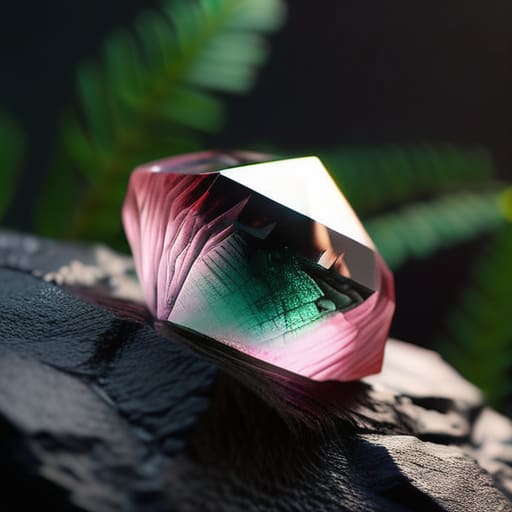
When you look at a bi-color stone, you aren’t seeing two different minerals fused together; you’re seeing a single crystal lattice structure and impurities that changed mid-growth. Think of it like a slow-moving tide coming in over the rocks at Bergen. As the crystal grows, the chemical environment around it shifts. One moment, the solution is rich in iron, giving the stone a deep, forest-green hue—the kind of green you see on seaweed after a storm. A few millimeters later, the chemistry shifts, perhaps introducing chromium, and suddenly the stone is a vibrant, sunset pink.
This isn’t a flaw; it is a record of the geological processes of gemstone coloration captured in a solid state. We call this gemstone color zoning explained through the lens of chemistry. These zones can be sharp, like a clean line drawn in the sand, or soft and bleeding into one another like ink in a puddle. When you’re holding a stone with these distinct parti-colored gemstone characteristics, you’re essentially holding a snapshot of a changing environment that existed millions of years ago.
The Hidden Map of Crystal Lattice Structure and Impurities
To understand why a stone changes color halfway through, you have to look past the surface and into the crystal lattice structure and impurities that define it. Think of the lattice as a rigid, microscopic scaffolding. In a perfect world, that scaffolding is empty and clear. But nature is rarely tidy. As the crystal grows in the earth, it’s essentially “eating” the surrounding chemistry. If the chemical environment shifts—say, a vein of iron or chromium moves into the pocket—the scaffolding captures those extra atoms.
These aren’t just random bits of grit; they are specific trace elements in gemstone formation that dictate the final look. One moment the crystal is pulling in aluminum, giving it a certain hue, and the next, the groundwater shifts, and it starts grabbing iron. This creates those distinct bands of color we see under the loupe. It’s not a trick of the light or a coating; it is a permanent, structural record of a changing environment. When you see those sharp lines where one color ends and another begins, you’re looking at a geological timeline frozen in stone.
Geological Processes of Gemstone Coloration How Nature Writes Its Story
Think of a gemstone forming like a slow, messy recipe being cooked in a pressurized pot deep underground. The geological processes of gemstone coloration aren’t some grand, intentional design; they are more like a series of chemical accidents. As a crystal grows, it pulls in whatever is available in the surrounding fluid. One minute the environment is rich in iron, giving the stone a deep, mossy green—the kind of green you see on a granite boulder right after a heavy rain—and the next, a sudden shift in chemistry introduces chromium, turning the growth into a vivid, sunset pink.
These shifts are captured within the crystal lattice structure and impurities that make up the stone’s body. Because the crystal grows layer by layer, these chemical changes don’t blend perfectly like paint; they stack. This is how you get those sharp, distinct bands of color rather than a muddy mix. When you look at a stone with these distinct stripes, you aren’t just looking at a pretty object; you are looking at a literal timeline of how the earth’s chemistry was fluctuating millions of years ago.
Decoding Optical Properties of Bi Colour Crystals Under the Light
When you hold a bi-color stone up to a lamp, you aren’t just looking at color; you are watching how light navigates the internal architecture of the mineral. Because these stones aren’t a uniform soup of color, the light hits different zones of the crystal lattice structure and impurities at different angles. This is why a stone might look like a deep, bruised purple in the shade, but suddenly flash a bright, citrus yellow when you tilt it toward a window. It’s not a trick of the eye; it’s the way the light is being filtered through those distinct chemical layers.
Understanding the optical properties of bi-colour crystals helps you distinguish a natural specimen from something synthetic. In a lab-grown stone, the color transition is often too perfect, too smooth—like a digital gradient. Natural stones have “steps.” You’ll see sharp boundaries or feathered transitions where one color bleeds into the next, much like how the tide leaves distinct lines of dark, wet sand on a beach. These parti-colored gemstone characteristics tell you that the light is traveling through a history of shifting chemical environments, rather than a controlled furnace.
Recognizing Real Parti Colored Gemstone Characteristics Without the Hype
When you’re looking at a stone that claims to be a bi-color marvel, ignore the marketing adjectives and look for the boundaries. In a real stone, the transition between colors isn’t a smooth, digital gradient like you’d see in a filtered photo; it’s usually a bit messy. I look for the way the colors meet—sometimes it’s a sharp line, other times it’s a jagged, feathered edge. This is where the gemstone color zoning explained by geology becomes visible to the naked eye. If the color shift looks too perfect, too symmetrical, or suspiciously uniform, I start wondering if a lab has been busy with a laser or a coating.
I also check how the light plays with those edges. When you tilt a genuine stone, the colors should shift in a way that feels connected to the internal structure, not just sitting on the surface like paint. You’re looking for the way the optical properties of bi-colour crystals interact with the inclusions inside. A real stone has “internal architecture”—tiny fractures or mineral grains that sit right at the border of the color change. If the color looks like it’s floating on top of the crystal rather than being part of its very bones, walk away.
The Reality of the Split
A bi-color stone isn’t a magic trick or a miracle; it’s just a record of a changing environment caught in a crystal lattice. When you see that sharp line where a blue turns to yellow, you’re looking at a moment in geological time where the chemistry shifted. And if that stone splits along a cleavage plane, it isn’t breaking—it’s just following the map that was written into its structure millions of years ago.
Dagny Solheim
A Final Look Through the Loupe
We’ve covered a lot of ground, moving from the microscopic lattice structures to the massive geological shifts that leave a stone looking like it was dipped in two different buckets of paint. Whether you are looking at color zoning caused by shifting trace elements or trying to understand why a crystal splits along a specific plane, it all comes down to the same thing: chemistry and pressure. You now know that a bi-color stone isn’t a trick of the light or a lab-grown anomaly, but a physical record of a changing environment. Knowing how to spot these natural shifts—and how the internal structure dictates how a stone will behave under a jeweler’s hammer—means you won’t be fooled by the high-gloss marketing of synthetics.
At the end of the day, a gemstone is just a very old, very hard piece of history that happened to grow in a way that caught our eye. It might be a tourmaline with a split as sharp as a knife edge, or a sapphire that shifts from a deep navy to a teal that looks like the North Sea after a storm. Whether you want to study its mineralogy under a microscope or simply wear it because the colors make you feel something, that is your prerogative. Stones are remarkable enough on their own; you don’t need a reason beyond the simple fact of their existence to appreciate them.
