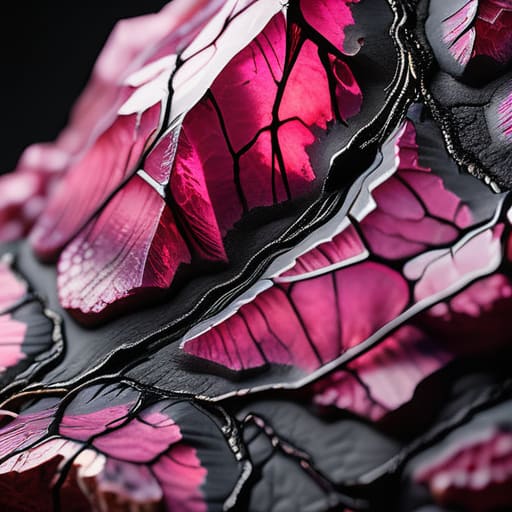
I spent six years hunched over a bench in a grading lab, staring through a loupe until my eyes felt like they were full of sand, and if there is one thing I learned, it is that people love to overcomplicate a simple stone. I see sellers online trying to spin a mystical tale about every tiny imperfection, acting as if the presence of rhodonite and the black veins running through it is some rare, cosmic alignment rather than just basic chemistry. It’s not magic; it’s manganese oxide. When I see a piece that looks like a deep, dusty rose—the color of a crushed petal left out in the rain—I don’t need a spiritual manifesto to tell me what I’m looking at. I just need to see the mineral structure.
My goal here isn’t to sell you a dream or a high-priced lecture on metaphysics. I’m going to tell you exactly what those dark streaks are made of and how to spot a genuine specimen versus a piece of dyed junk. Once I’ve helped you understand the science behind the stone, what you choose to do with it—whether you keep it on your desk or use it for your own rituals—is entirely up to you.
Understanding Rhodonite and the Black Veins Running Through It
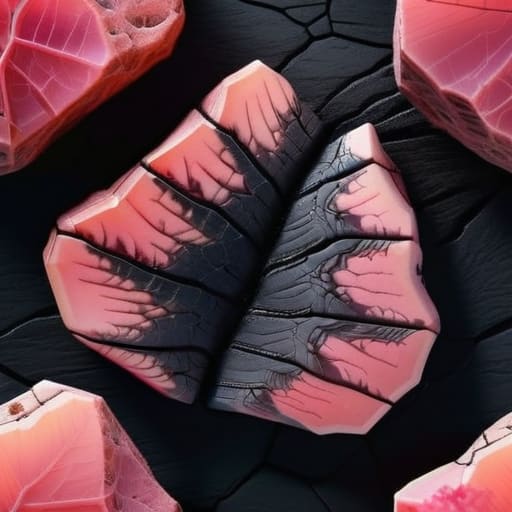
Rhodonite is a manganese silicate mineral, which is a fancy way of saying its chemistry is dictated by the manganese it holds. When I look at a specimen under my loupe, I’m looking for that specific pink, which usually looks like the color of a bruised peach just after it’s been pulled from the water. The “veins” everyone asks about aren’t flaws or cracks; they are actually manganese oxide. As the rhodonite crystal formation happens deep in the earth, these oxides get trapped, creating those striking black lines that break up the pink.
When you are doing pink and black gemstone identification, you have to look closely at how those lines interact with the stone. In a real piece, the black lines are integrated into the structure, not just sitting on the surface like ink. Some people search for these stones specifically for their metaphysical properties of rhodonite, believing the contrast between the soft pink and the sharp black offers emotional balance. I don’t know much about the energy side of things, but I do know that a well-formed specimen is a beautiful piece of geological history.
Key Things to Know
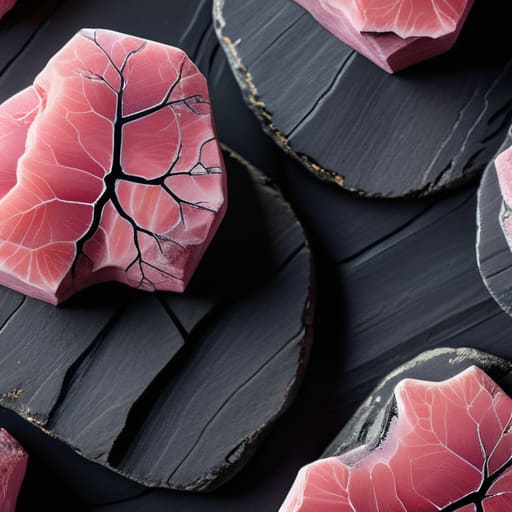
First, let’s talk about what you’re actually holding. Rhodonite is a manganese silicate, and its manganese silicate mineral properties dictate that lovely, fleshy pink colour. When it’s fresh out of the ground, it looks like a piece of salmon skin pulled from the North Sea—saturated and deep. As it dries, that pink can fade toward a dusty rose, but the black veins stay sharp. Those veins are manganese oxides, and they aren’t “flaws” to be polished away; they are the stone’s fingerprint.
When you’re out shopping, keep an eye on the pink and black gemstone identification. Real rhodonite has a specific weight and a certain way of interacting with light; it isn’t glassy like cheap dyed quartz. If the pink looks too uniform or the black looks like it was painted on the surface, walk away.
Lastly, you’ll see a lot of talk regarding the metaphysical properties of rhodonite. People claim it helps with emotional balance or heart healing. I don’t deal in physics, so I can’t tell you if a crystal can shift your mood, but I can tell you that knowing the stone’s history makes it feel a lot more grounded.
Practical Tips and Steps
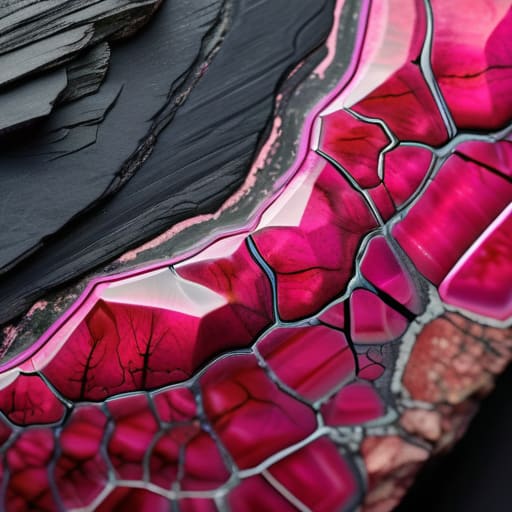
If you’re looking to add a piece to your collection, start with the weight. Because rhodonite is a manganese silicate mineral, it has a specific density that a plastic imitation just won’t match. When I hold a genuine specimen, it feels substantial in the palm, not hollow or light. I always suggest checking the luster under a decent light source; a real stone has a vitreous, almost glassy sheen that looks like polished wet pebbles on a shoreline. If the surface looks dull or “waxy” in a way that suggests it’s actually dyed plaster, put it back on the shelf.
For those focused on pink and black gemstone identification, pay close attention to how those dark lines move. In a real rhodonite crystal formation, the black manganese oxide veins aren’t just painted on the surface; they are woven through the pink matrix. If the black looks like it’s sitting on top of the stone rather than living inside it, you’re likely looking at a fake. I don’t care if you’re buying it for its metaphysical properties of rhodonite or just because you like the geometry—knowing the difference ensures you’re actually holding the mineral you paid for.
Common Mistakes to Avoid
The biggest mistake I see is people assuming that because a stone is pink and has black streaks, it must be the real deal. I’ve sat in labs looking at “rhodonite” that was actually just dyed howlite or even certain types of jasper. When you are doing pink and black gemstone identification, look closely at the edges of those black lines. In true rhodonite, the manganese oxide veins feel like they are part of the stone’s very architecture, not just painted on the surface. If the pink looks too uniform, like a piece of candy, or if the black looks like it’s sitting in shallow grooves, walk away.
Another pitfall is getting so caught up in the metaphysical properties of rhodonite that you forget to check the physical reality. I’m not saying that’s a bad thing—if a stone helps you feel grounded, that’s your business—but don’t let a beautiful story blind you to a bad deal. People often mistake cheap glass or resin imitations for high-quality specimens because the marketing promises a certain energy. Always verify the manganese silicate mineral properties first; if the hardness or the way it refracts light feels “off,” no amount of spiritual intention will make it a genuine piece of earth history.
Final Thoughts
At the end of the day, whether you are holding a piece of rhodonite because you love the way the pink looks like a sunset caught in a tide pool, or because you believe in its supposed heart-opening energy, the stone remains the same. It is a manganese silicate mineral, a product of specific pressures and temperatures deep in the earth. I don’t care if you keep it in a velvet-lined box or use it for meditation; my only goal is that you know what you actually own. When you understand the manganese silicate mineral properties that create those striking black lines, you stop being a consumer and start being someone who actually knows their geology.
If you can master the basics of pink and black gemstone identification, you’ll never feel that sinking feeling of being swindled by a dealer selling dyed quartz. Real rhodonite has a weight and a specific, matte-to-glassy luster that a fake just can’t mimic. Take your time with it. Look at the inclusions, feel the temperature of the stone, and appreciate the chemistry. The science is the foundation, and everything else—the stories, the uses, the magic—is just what you build on top of it.
## A Note on the Character of the Stone
“People see those black manganese veins and think they’re flaws to be polished away, but to me, they look like ink bleeding into wet rose petals; they are the mineral’s fingerprint, proving the stone actually lived through the pressure and the heat that made it.”
Dagny Solheim
Final Thoughts on the Pink and the Black
At the end of the day, identifying rhodonite comes down to respecting its chemistry. You aren’t looking for a perfect, uniform pink slab; you are looking for a manganese silicate that has been through the geological wringer. Those black veins aren’t flaws or “dirt” to be cleaned away—they are manganese oxide, and they are the signature of the stone’s history. When you check the hardness on a Mohs scale or look for that specific, dull rose hue that looks like a wet pebble on a Bergen beach, you are doing the work to ensure you aren’t being sold a dyed piece of cheap quartz or glass. Knowing the difference between a mineral’s natural inclusions and a man-made imitation is the only way to build a collection that actually holds its value.
Once you’ve verified that the stone in your hand is the real deal, the science part of my job is done. Whether you want to keep it in a velvet-lined box, wear it as a pendant, or hold it during meditation because you feel it helps your heart, that is entirely your prerogative. I don’t care much for the “energy” claims, but I do care about the integrity of the specimen. There is something deeply grounding about holding a piece of the earth that is exactly what it claims to be. So, go ahead and find a piece that speaks to you, and trust your own eyes as much as you trust the chemistry.
