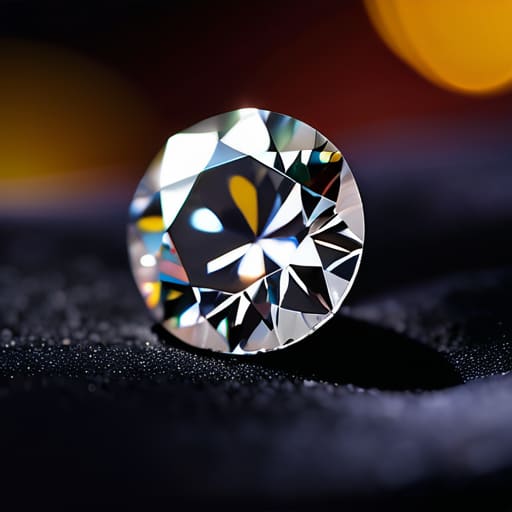
I spent six years hunched over a microscope in a grading lab, looking at stones that were often much smaller than the marketing brochures suggested. I remember one particular sapphire, no larger than a grain of coarse salt, that a client had been told was “magnificently shaped” for its weight. It wasn’t. It was a crushed, awkward mess that swallowed its own light. People tend to overcomplicate the math when it comes to choosing a round cut when the stone is small, acting as if there is some secret, expensive formula to make a tiny mineral look substantial. There isn’t. You aren’t buying a miracle; you’re buying a specific arrangement of facets designed to bounce light back to your eye.
I’m not here to sell you on some mystical energy or convince you that a specific cut will change your life. What I will do is tell you exactly how light behaves in a small, round brilliant cut and how to spot a stone that’s been cut too shallow to actually sparkle. I’ll give you the technical reality of what you’re paying for, so you can decide if it’s worth your money.
The Truth About Choosing a Round Cut When the Stone Is Small
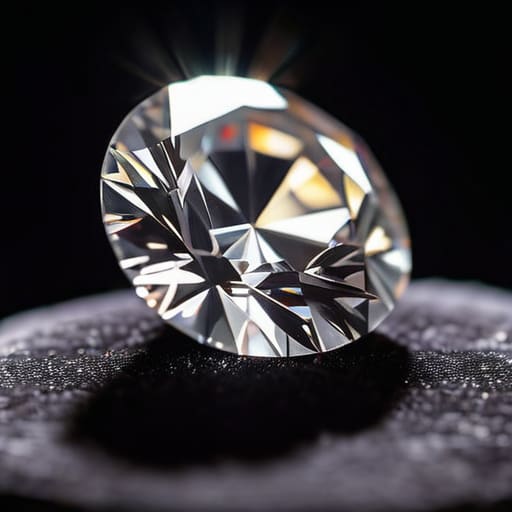
When you’re looking at a stone under ten points, you aren’t really looking at a mineral anymore; you’re looking at how light behaves. A round brilliant cut is the standard for a reason. Because of the way the facets are mathematically arranged, it does a better job of maximizing carat weight visual impact than almost any other shape. When I was working in the lab, I’d see people get hung up on the weight, but a well-cut round will always look more substantial than a poorly cut princess or a tiny cushion cut.
It’s essentially a bit of optical illusion in jewelry design. If you go for a shape with more “corners,” like a square, the light tends to leak out the sides, making the stone look even smaller than it is. With a round, the light stays trapped in the pavilion and bounces back to your eye. If you’re worried about the scale, you can always look into illusion settings for tiny diamonds, which use metalwork to trick the eye into seeing a much larger surface area. At the end of the day, the physics of the light return is what matters most.
Brilliant Cut vs Cushion Cut What the Light Actually Does
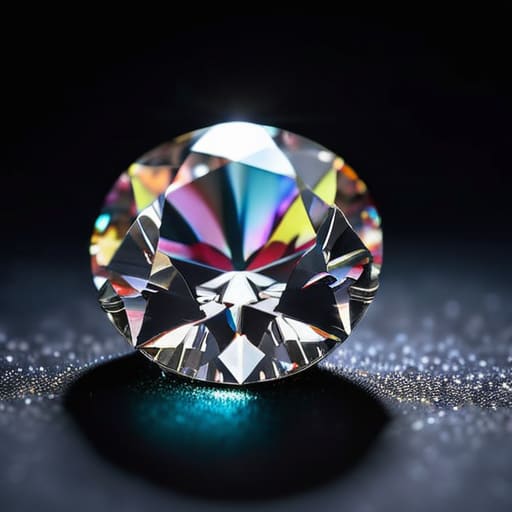
When you’re looking at a small stone, the way the facets are cut dictates whether it actually catches the eye or just sits there looking dull. A brilliant cut is engineered for one specific purpose: to bounce light back at you as quickly as possible. It uses a precise geometry to create that signature sparkle, which is why it’s often the go-to for maximizing carat weight visual impact. If the stone is tiny, the brilliant cut uses those sharp, mathematical angles to make it feel larger and more energetic than it actually is.
A cushion cut, on the other hand, behaves differently. It has a softer, more romantic silhouette, but because the facets are spread out differently, it doesn’t always have that same aggressive “pop.” Instead, you get a deeper, more diffused glow—kind of like the way a pebble looks under a thin film of seawater. When comparing brilliant cut vs cushion cut for small stones, you have to decide if you want a strobe light or a soft lamp. One is about high-energy flashes, the other is about a steady, internal warmth.
Gemstone Facet Patterns for Light Return How to See It
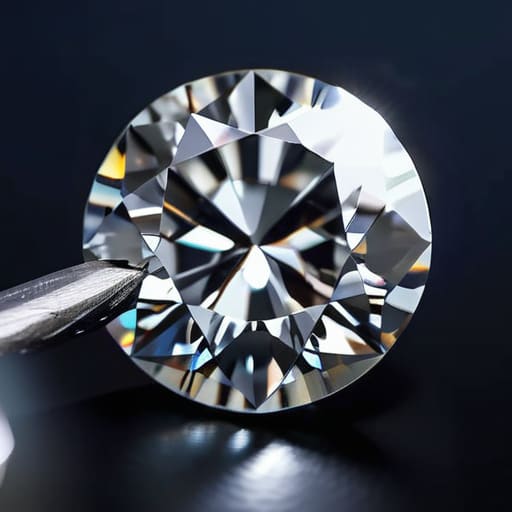
When you’re looking at a stone through a loupe, you aren’t just looking at color; you’re looking at how the geometry of the facets manages the light. If the facet patterns are poorly executed, the light simply leaks out the bottom, leaving the stone looking “dead” or watery—sort of like a pebble at the bottom of a grey fjord. To get the most out of a tiny specimen, you need to look for gemstone facet patterns for light return that create a tight, organized dance of reflections. In a small round brilliant, you want those facets to act like tiny mirrors, bouncing light back to your eye rather than letting it vanish into the pavilion.
This is where the physics of the cut meets the art of the jeweler. If you can’t find a stone with enough “life,” people often turn to optical illusions in jewelry design to bridge the gap. You’ll see this most often with illusion settings for tiny diamonds, where a metal rim is designed to make a 0.10ct stone look like a much larger 0.30ct piece. It’s a clever trick of the light, and while it isn’t “real” size, it achieves the visual impact many people are actually searching for.
Maximizing Carat Weight Visual Impact Without the Empty Promises
You don’t need to buy a larger stone to get more “wow” out of a piece of jewelry; you just need to understand how to trick the eye. When I’m looking at a tiny sapphire or a small diamond under the loupe, I’m not looking at the mass of the mineral, but how it handles the light. One of the most effective ways of maximizing carat weight visual impact is through the clever use of optical illusions in jewelry design. This isn’t magic, just geometry.
A common trick is the use of illusion settings for tiny diamonds, where a small stone is placed in a mounting that mimics the look of a much larger center stone. It’s a bit of a sleight of hand, but it works. If you aren’t interested in a setting that does the heavy lifting, focus on the cut. When comparing a brilliant cut vs cushion cut for small stones, the brilliant cut is almost always going to win if your goal is sheer brightness. It concentrates the light return in a way that makes the stone feel more present on the finger, rather than just a quiet, dark speck.
Optical Illusions in Jewelry Design the Art of the Deception
Once you understand how light moves through a facet, you start to see how much of jewelry design is just clever trickery. When you’re working with something tiny, you aren’t just fighting the physics of the stone; you’re fighting the eye’s tendency to see what it expects to see. This is where optical illusions in jewelry design come into play. A jeweler might use a halo of smaller stones to create a perimeter that tricks your brain into thinking the center stone is much larger than its actual carat weight. It’s a bit of a sleight of hand, but it works.
I often see people get caught up in the debate of brilliant cut vs cushion cut for small stones, but the real magic is often in the metalwork. Illusion settings for tiny diamonds can make a speck of carbon look like a substantial sparkler by using clever geometry and reflective surfaces. It isn’t “cheating”—it’s just using the way we perceive light to make a small, beautiful thing feel a little more significant. Whether you want the truth of the stone or the magic of the setting is entirely up to you.
Illusion Settings for Tiny Diamonds Making Small Stones Work
When you’re working with a diamond that’s barely more than a speck, the metal around it becomes just as important as the stone itself. This is where illusion settings for tiny diamonds come into play. Instead of a standard four-prong setting, which can make a small stone look lonely and lost, these designs use a textured metal rim—often with tiny, hand-engraved facets—to mimic the look of a much larger stone. It’s a clever bit of trickery that plays with how light hits the surface, making the diamond appear to occupy more space than its actual diameter suggests.
It isn’t magic, though; it’s just geometry. By using these optical illusions in jewelry design, you’re essentially creating a frame that tricks the eye into seeing a continuous flash of light rather than a single, tiny point. I’ve seen people get quite caught up in the “magic” of these settings, but from my perspective, it’s just a way of managing light return. You aren’t actually increasing the carat weight, but you are certainly maximizing carat weight visual impact in a way that feels much more substantial on the hand.
Best Gemstone Shapes for Small Sizes and What They Cost
When you’re working with stones under a certain millimeter threshold, the geometry of the cut starts to dictate your budget more than the mineral itself. For instance, if you’re looking at sapphires or garnets, a round brilliant cut is often the most economical because the facet patterns are standardized and easy to execute. However, if you want something with a bit more “soul,” a cushion cut can offer a lovely, soft glow—though it can sometimes look a bit “clunky” if the proportions aren’t right for a tiny stone.
The cost isn’t just about the weight; it’s about the labor required to make a small stone look significant. You’ll find that maximizing carat weight visual impact often requires paying a premium for “eye-clean” stones that have been precision-cut to avoid looking like mere grains of sand. While you can find cheap, poorly cut stones, they often lack the necessary gemstone facet patterns for light return, leaving you with a pebble that looks dull and lifeless. Whether you want a high-end precision cut or a budget-friendly pebble, the choice is yours, but knowing why the price jumps is half the battle.
## The Geometry of Light
When you’re working with a stone that doesn’t have much mass to play with, the round brilliant cut is your best friend; it’s a clever bit of geometry that forces the light to bounce around inside rather than just passing straight through, making a tiny speck of mineral look like it actually has something to say.
Dagny Solheim
The Final Word on Small Stones
At the end of the day, choosing a small round cut comes down to understanding how light interacts with the mineral’s structure. We’ve talked about why the brilliant cut is your best friend for maximizing light return, how clever settings can create an illusion of size, and why you shouldn’t be fooled by stones that look “big” but lack any actual fire. Whether you are looking at a tiny diamond or a sapphire the size of a grain of sand, remember that geometry dictates the sparkle. If you prioritize a well-cut facet pattern over a slightly higher carat weight, you’ll end up with something that looks far more substantial than its weight suggests. It isn’t magic; it’s just physics and light refraction working in your favor.
I know that buying jewelry can feel like a high-stakes game of guesswork, especially when you’re working with smaller budgets or stones. But once you strip away the marketing fluff and the “mystical” claims, you’re left with something very grounded: a beautiful piece of the earth’s history sitting in the palm of your hand. Whether you want that stone to be a centerpiece or just a quiet, shimmering companion to your daily life, make sure it’s a stone you actually like looking at. A small, perfectly cut round stone has a way of catching the light like a wet pebble in the sun, and honestly, that’s more than enough for me.
