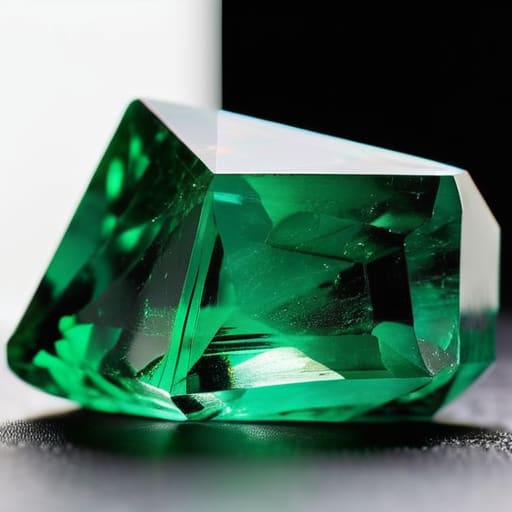
I spent six years hunched over a microscope in a grading lab, staring at stones until my eyes felt like they were full of sand. I’ve seen countless collectors get swindled by salespeople who claim a stone has a “natural, deep saturation,” only to realize later that the jeweler just used a specific facet arrangement to hide a muddy mineral composition. People often think they’re buying a specific shade of blue or green, but they don’t realize that how the cut changes the colour of a coloured stone is often more about geometry than geology. A stone that looks like a deep, stormy sea when wet can suddenly turn into a pale, washed-out puddle if the facets are cut too shallowly.
I’m not here to sell you on “energies” or tell you that a certain shape will align your chakras. My goal is to show you the mechanics of light—how the angle of a facet can either concentrate color or bleed it away into nothingness. I’ll explain the relationship between pavilion depth and light return so you can see through the marketing fluff. Once you understand the science behind the sparkle, you’ll be able to spot a well-cut gem from a mile away, and what you choose to do with that knowledge is entirely up to you.
The Raw Truth Seeing Past the Illusion of the Stone
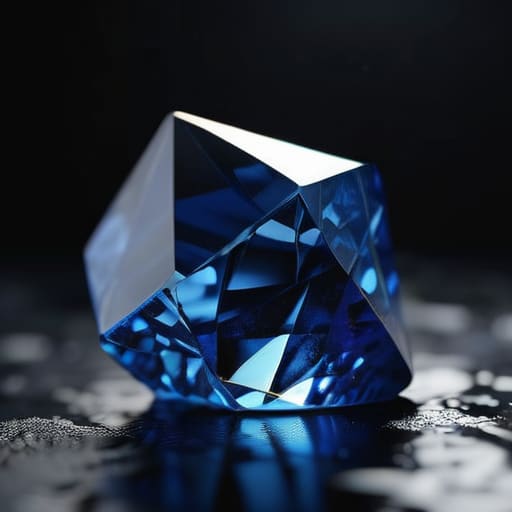
Before you start obsessing over whether a stone looks “vibrant” or “dull,” you have to understand that you aren’t just looking at a mineral; you are looking at a game of mirrors. When I was working in the lab, I’d see stones that looked like seawater on a cloudy day—greyish and lifeless—only to have them transform into something electric once the light hit them at the right angle. This isn’t magic; it’s physics. The way a cutter decides to shape the underside of the stone dictates the gemstone light return and saturation. If the pavilion is too shallow, the light simply leaks out the bottom like water through a sieve, leaving you with a stone that looks washed out and pale.
I’ve spent enough hours under a loupe to know that a “weak” color is often just a victim of poor geometry. You have to account for the impact of pavilion depth on color to see if a stone is actually low-quality or just poorly engineered. A well-cut stone manages the light so that it bounces back to your eye, concentrating the hue exactly where you want it. Once you can separate the mineral’s true identity from the way it’s being manipulated by the facets, you’ll know exactly what you’re holding.
How the Cut Changes the Colour of a Coloured Stone
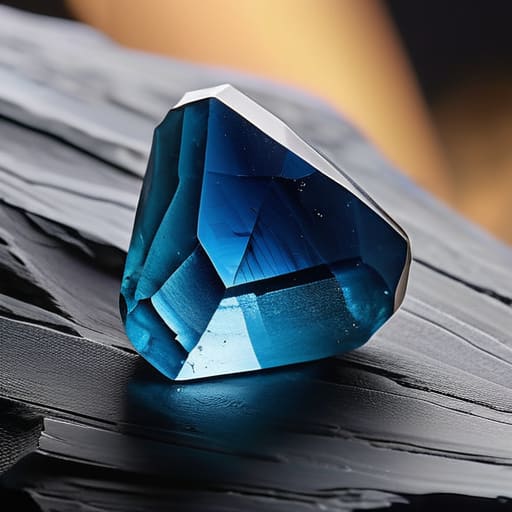
Think of a gemstone like a piece of sea glass I might find on a beach in Bergen; when it’s dry, it looks dull and opaque, but the moment it hits the tide, the colour suddenly wakes up. Cutting a stone is essentially a way of managing how light travels through its internal structure. When a lapidary works on the gemstone facet arrangement and color intensity, they aren’t just shaping a pretty object; they are directing the light. If the facets are angled correctly, the light bounces around inside the crystal, picking up more pigment on its way back to your eye.
However, there is a delicate balancing act here. If a cutter makes the stone too shallow, the light leaks straight out the bottom like water through a sieve, leaving the stone looking washed out and pale. On the flip side, if the impact of pavilion depth on color is too aggressive, the stone might become so dark it looks almost black. You end up with a stone that has plenty of saturation but no life. It’s a game of physics, trying to find that sweet spot where the light returns to you with enough strength to show off the true hue.
Mastering Light Refraction in Gemstones to Find the Real Hue
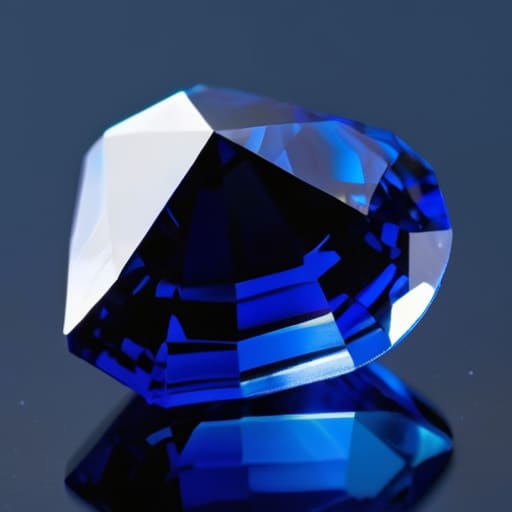
When I was working the bench in the lab, I learned that a stone’s color isn’t just about the chemistry inside; it’s about how the light plays a game of hide-and-seek with the facets. You can have a sapphire with incredible saturation, but if the cutter hasn’t mastered the light refraction in gemstones, that color might just vanish or turn into a muddy mess the moment you tilt it. It’s all about how the light enters the top, bounces off the bottom, and finds its way back to your eye.
This is where the math of the cut meets the reality of the mineral. I often look at the impact of pavilion depth on color to see if a cutter was being clever or just lazy. If the pavilion is too shallow, the light leaks out the bottom like water through a sieve, leaving the stone looking pale and lifeless. If it’s too deep, you get “extinction”—those dark, dead spots that swallow the hue entirely. A well-cut stone manages to balance gemstone light return and saturation, making the color look as deep and vibrant as a tide pool after a heavy rain.
Gemstone Facet Arrangement and Color Intensity the Craftsmans Trick
When a cutter sits down at the wheel, they aren’t just shaping a pretty object; they are playing with the stone’s internal geometry. The way the facets are laid out—the gemstone facet arrangement and color intensity relationship—is where the real magic, or the real deception, happens. If you have a stone with a pale, watery tint, a clever cutter can use specific angles to trap light, making that color appear much deeper than it actually is in the rough. It’s a bit like how a shallow tide pool looks much more vibrant than the grey North Sea, even though the water is the same.
You have to look closely at the pavilion, the bottom part of the stone. I’ve spent many hours under a loupe noticing how the impact of pavilion depth on color can completely transform a gem. If the pavilion is cut too shallow, the light leaks out the bottom like water through a sieve, leaving the stone looking dull and washed out. But if they hit that sweet spot, the light bounces back through the crown, intensifying the saturation. It’s a technical dance between light and physics, and once you see how it’s done, you’ll never look at a faceted stone the same way again.
The Impact of Pavilion Depth on Color and Value
Think of the pavilion—the bottom part of the stone below the girdle—as the engine room. If a cutter makes this section too shallow, the light doesn’t bounce back to your eye; it leaks out the bottom like water through a sieve. You’ll end up with a stone that looks washed out, like a piece of sea glass that’s been tumbled in the sand for too long. On the flip side, a pavilion that is too deep creates a “window,” a dead spot in the center where the color just vanishes. I’ve spent many hours under a loupe seeing beautiful sapphires lose their soul simply because the impact of pavilion depth on color wasn’t respected by the lapidary.
When you find that sweet spot, the depth helps trap the light, bouncing it internally to boost the saturation. This is where the real magic happens; a well-proportioned pavilion maximizes gemstone light return and saturation, making even a pale stone look rich and intentional. It’s a delicate balance. If the depth is right, the color feels deep and velvety, like the ocean just before a storm. If it’s wrong, you’re just looking at a piece of rock that’s lost its way.
Optical Properties of Precious Stones What the Seller Wont Mention
When a salesperson is trying to move a stone, they’ll talk about the “vibrancy” or the “soul” of the piece. They won’t talk about the math. To understand why a stone looks like a deep, dark forest after a rainstorm one moment and a bright, shallow teal the next, you have to look at the optical properties of precious stones. It isn’t magic; it’s how the crystal lattice handles the light hitting it. Some stones are just “lazy” with light—they absorb too much of it before it can bounce back to your eye.
If you’re looking at a sapphire or an emerald, you need to watch the gemstone light return and saturation very closely. A stone might look dull in a display case because the light is hitting it at a flat angle, but once you move it, the color suddenly “pops.” This isn’t the stone changing its chemistry; it’s the light finally finding a path through the facets. I’ve spent years under a loupe seeing how a poorly angled facet can trap light inside the stone like a dark puddle, making a high-quality gem look muddy and lifeless.
Brilliance vs Color in Colored Diamonds Choosing Your Own Path
When you move into the territory of colored diamonds, the math gets a lot more complicated. In a sapphire or a garnet, you can often lean into the color, cutting the stone a bit deeper to soak up more light and boost that saturation. But with diamonds, you’re walking a tightrope between brilliance vs color in colored diamonds. If the cutter goes too deep to chase a rich yellow or pink, the stone can end up looking “extinguished”—dark and heavy, like a piece of sea glass pulled from a murky tide pool.
You have to decide what you actually want to see when you hold the ring. Do you want a stone that flashes with white light, or one that holds a steady, concentrated hue? This is where the gemstone light return and saturation come into play. A shallower cut might make the color look a bit washed out, like a watercolor left in the rain, but it will dance much more brightly. I’ve seen many collectors trade off a bit of color intensity just to get that crisp, electric sparkle. Neither choice is wrong; it’s just a matter of whether you want a glow or a fire.
## The Illusion of the Facet
“A stone isn’t just a piece of chemistry; it’s a way of trapping light. You can have a sapphire with the most incredible deep, ocean-water blue, but if the cutter is careless with the depth, that color will just leak out the bottom and leave you with a stone that looks as pale and washed-out as a pebble on a dry beach.”
Dagny Solheim
The Final Look
At the end of the day, understanding how a cut manipulates light isn’t about becoming a cynical buyer; it’s about knowing exactly what you are holding. We’ve looked at how pavilion depth can either drown a stone in darkness or make it glow like a wet piece of moss on a granite slab, and how facet arrangements can trick the eye into seeing a saturation that simply isn’t in the mineral itself. Whether it’s the way refraction bends the hue or how a specific cut manages brilliance versus body color, the physics remains the same. Once you recognize that the cut is essentially a lens for the stone’s natural chemistry, you stop being fooled by the shimmer and start seeing the actual specimen.
I’ve spent enough hours under a loupe to know that a stone’s beauty is a partnership between what nature grew in the dark and what a human did with a saw and a wheel. You can use this knowledge to hunt for the perfect investment, or you can use it to find a stone that feels right to your own eye. I don’t care which path you take, as long as you know the truth of the mineral before you commit. After all, a gemstone is just a piece of the earth that someone decided to polish; whether it’s a scientific marvel or a lucky charm, it belongs to you once you understand its real story.
