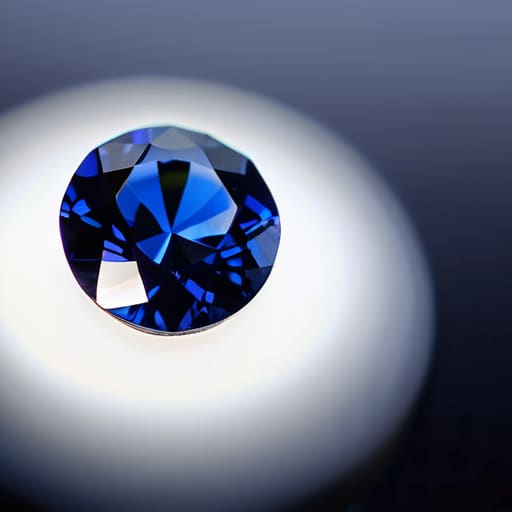
I spent six years hunched over a microscope in a grading lab, staring at facets until my eyes felt like they were filled with sand. I’ve seen people pay a massive premium for a “perfect” sparkle, convinced that a certain geometry is some kind of magical gateway to value. But here is the truth: a lot of the hype surrounding the round cut used on coloured stones is just clever marketing designed to make you ignore the actual mineral. A round cut can make a mediocre sapphire look like a star, or it can absolutely kill the natural saturation of a high-quality emerald if the proportions are off.
I’m not here to sell you on the “energy” of a shape or tell you that a specific cut will change your life. My goal is to pull back the curtain on the physics of it all. I will show you how light actually moves through these facets and how to spot a poorly proportioned stone that is wasting its own potential. Once you understand the relationship between the mineral’s chemistry and how it’s been sliced, you’ll know exactly what you’re paying for.
What the Round Cut Used on Coloured Stones Really Reveals
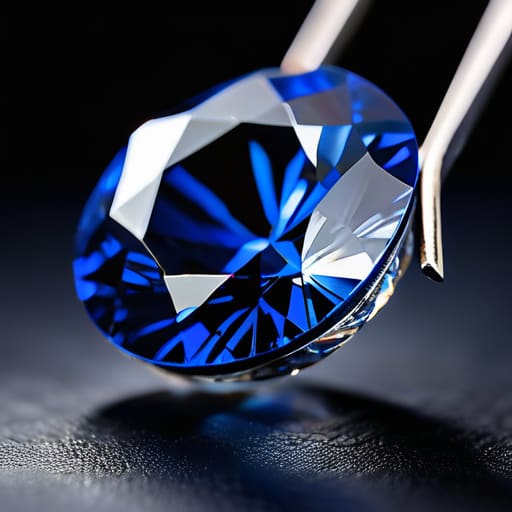
When you hold a round-cut stone up to the light, you aren’t just looking at a shape; you are looking at how a cutter has manipulated physics. Because the geometry is so symmetrical, the light has a very specific path to follow. In a well-executed piece, the light enters through the table, bounces off the pavilion facets, and returns to your eye. This specific gemstone shape and light refraction is what creates that sense of depth. If the cut is shallow, the light leaks out the bottom, and the stone looks “dead” or washed out, like a pebble sitting in a shallow tide pool.
A skilled cutter knows that a round shape isn’t just about sparkle; it’s about maximizing color in colored stones. If you have a deep, saturated sapphire, you don’t want to cut it so thin that the color vanishes, but you don’t want it so deep that the light gets lost in a dark well either. It’s a balancing act. I’ve spent hours under a loupe seeing how different gemstone facet patterns can either amplify a stone’s natural hue or completely flatten it. When the proportions are right, the color feels alive and pulsing, rather than just a static tint.
Decoding Gemstone Facet Patterns to Find the Truth
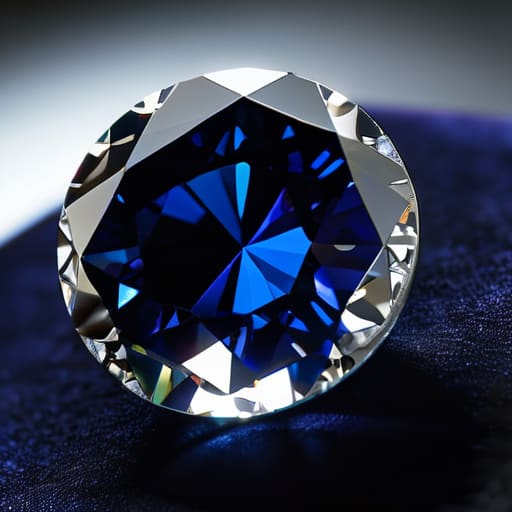
When you look through a loupe, you aren’t just looking at a pretty shape; you are looking at how a cutter managed to manipulate physics. Every stone has a unique way of handling light, and by studying gemstone facet patterns, you can start to see the difference between a masterwork and a rushed job. A well-executed round cut should show a clean, symmetrical arrangement of facets that directs light back to your eye. If the patterns look muddy or the light seems to “leak” out of the bottom of the stone, it’s a sign that the proportions are off.
The real magic happens when you compare the round brilliant gemstone sparkle to a lesser cut. In a high-quality stone, the facets act like tiny mirrors. I always look for that crisp, rhythmic flash of light that stays consistent as I tilt the gem. If the light feels stagnant, like looking at a stone sitting in a tide pool rather than one catching the sun, the cutter likely missed the mark on the angles. Once you can spot those patterns, you won’t be fooled by a stone that’s just “shiny” but lacks actual depth.
Brilliant Cut vs Round Cut Separating Hype From Reality
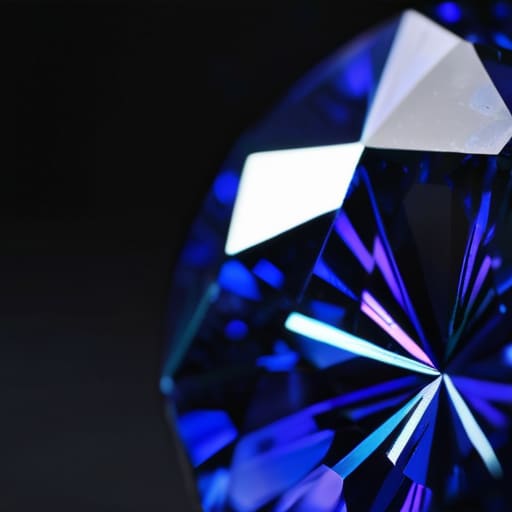
You’ll see these terms tossed around a lot in shop listings, often used as if they mean the same thing. They don’t. When people talk about a “round cut,” they are referring to the basic geometry—the circular outline of the stone. But when someone mentions a “brilliant cut,” they are talking about a specific way of arranging the facets to manipulate light. It’s the difference between a stone that just sits there and one that performs.
In the world of colored stones, the debate of brilliant cut vs round cut usually comes down to how much you value fire over body. A classic round brilliant pattern is engineered for maximizing color in colored stones by bouncing light internally, which is great for smaller gems like sapphires or garnets that need that extra kick of life. However, if you have a high-quality emerald with a deep, mossy green, sometimes too much precision cutting can actually blow out the color, making it look washed out. I’ve seen many a beautiful stone lose its soul to a cut that was trying too hard to sparkle.
Maximizing Color in Coloured Stones Without the Deception
When you’re looking at a stone, you’re usually looking for that specific “pop”—that moment the light hits it and the color seems to flood the room. This is the goal of maximizing color in colored stones, but there is a fine line between a stone that is naturally vibrant and one that has been over-cut to hide flaws. I’ve seen many sapphires where the cutter has taken too much off the pavilion to make the color look deeper, effectively shrinking the actual carat weight just to cheat the eye. It’s a bit like diluting a strong coffee to make it look like there’s more in the cup; you get the volume, but you lose the soul of the mineral.
To get it right, you need to look for precision cutting for precious gems. A well-executed round cut manages the gemstone shape and light refraction so that the light bounces back through the crown rather than leaking out the bottom. If the stone looks dark or “dead” when you tilt it, the facets aren’t aligned properly. You want a stone where the light dances, not one that swallows it whole.
Precision Cutting for Precious Gems and How It Matters
When you move from a standard cut to true precision cutting for precious gems, you aren’t just talking about making a stone pretty; you’re talking about the physics of light. In my years in the lab, I’ve seen countless stones that look dull or “dead” because the angles are off by even a fraction of a degree. If the pavilion facets aren’t angled correctly, the light doesn’t bounce back to your eye—it leaks out the bottom like water through a sieve. A well-cut stone should hold its light, making the color feel deep and saturated rather than shallow and washed out.
This is where the math of gemstone shape and light refraction becomes vital. When a cutter gets the proportions right, they aren’t just following a template; they are managing how the light hits the internal inclusions and chemical structure of the mineral. You’ll notice that a precision-cut stone has a certain “snap” to its brilliance. It’s the difference between a stone that looks like a piece of colored glass and one that seems to glow from within, even in low light.
Gemstone Shape and Light Refraction the Honest Physics
When you look at a stone, you aren’t just seeing a pretty object; you’re seeing a dance between light and chemistry. This is where gemstone shape and light refraction come into play. Every mineral has a specific refractive index—a fancy way of saying how much it bends light as it enters the surface. In a round cut, the goal is to use those facets to bounce light back to your eye rather than letting it leak out the bottom of the stone. If the pavilion (the bottom part) is cut too shallow, the light just passes straight through, leaving the gem looking dead and milky, like a piece of sea glass after a storm.
This is why precision cutting for precious gems is such a technical hurdle. If the angles are off by even a fraction of a degree, you lose that internal reflection. You might see a stone that looks dull in your hand, but once it hits the sunlight, it suddenly fires. That isn’t magic; it’s just the light finally hitting the facets at the correct angle to create that round brilliant gemstone sparkle we all look for.
Chasing the Round Brilliant Gemstone Sparkle You Deserve
When you see an ad promising a “magical” glow, I tend to reach for my loupe instead. Most people are actually hunting for that specific round brilliant gemstone sparkle, that rhythmic dance of light that makes a stone feel alive. But there is a massive difference between a stone that is simply bright and one that is expertly cut. A poorly executed round cut will often look “dead” or “windowed”—meaning you see right through the center like a pane of glass—whereas a well-executed one bounces light back to your eye.
The secret isn’t in the chemistry of the mineral, though that matters; it’s in the geometry. When you compare a brilliant cut vs round cut in a retail setting, look closely at how the light interacts with the pavilion. If the light leaks out the bottom, you’ve lost the fire. If the facets are aligned with enough precision, the stone will hold its color even as it flashes. I don’t care if you’re buying it for a high-end necklace or just to keep in your pocket for luck, but you should at least know you’re paying for geometry, not just glitter.
## The Truth Behind the Sparkle
A round cut isn’t magic; it’s just a way to manage how light hits the mineral lattice. Whether you’re looking for a stone that glows like a wet sapphire or one that dances under a jeweler’s lamp, remember that the cut is just the geometry—the real soul is in the chemistry of the stone itself.
Dagny Solheim
Final Thoughts on the Round Cut
At the end of the day, choosing a round cut for a colored stone comes down to understanding the interplay between geometry and chemistry. We have looked at how facet patterns dictate light return, how a precision cut can rescue a stone with deep, saturated color, and how to tell the difference between a genuine brilliant cut and a poorly executed imitation. Whether you are looking for a sapphire that holds its light like deep seawater or a garnet with the warmth of a sunset, the physics remains the same. By focusing on the mineral composition and the quality of the cut rather than the marketing jargon, you ensure that what you are buying is exactly what you were promised.
I don’t care if you buy a stone because its refractive index is perfect or because you feel a strange, unscientific pull toward its glow. My job is simply to make sure you know the difference between a masterpiece of lapidary art and a piece of glass masquerading as a gem. Once you have learned to look past the hype and see the stone for what it actually is, the world of gemstones becomes much more interesting. Go ahead and find that piece that speaks to you; just make sure it has the integrity of a real stone underneath all that sparkle.
