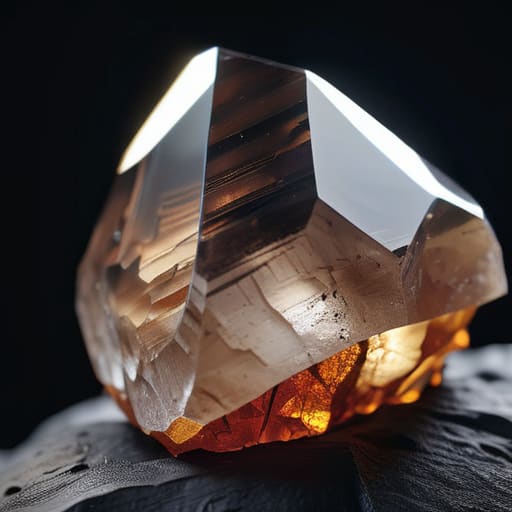
I spent six years hunched over a microscope in a grading lab, and if there is one thing I’ve learned, it’s that the jewelry industry loves to treat brown stones like the unwanted leftovers of the gem world. Most people see a muddy hue and immediately think “cheap,” but that is a massive mistake. There is a whole world of brown gemstones and the ones worth more than they look—stones that don’t need a neon flash to prove their worth. I’ve seen collectors walk right past a stunning, chocolate-toned zircon or a rich, earth-toned tourmaline because they were too busy hunting for blue sapphires. It’s frustrating to watch people pay a premium for a “clear” stone that has zero character, while ignoring the complex history hidden in a deep, coffee-colored crystal.
I’m not here to sell you on any mystical energy or tell you that a stone will change your life. What I am going to do is tell you exactly what these stones are made of, from their chemical hardness to the inclusions that prove they aren’t glass. I’ll show you how to spot the real deal so you don’t get swindled by something that looks like a pebble from the shore. Once you know the science, what you do with the stone is entirely your business.
Understanding Brown Gemstones and the Ones Worth More Than They Look
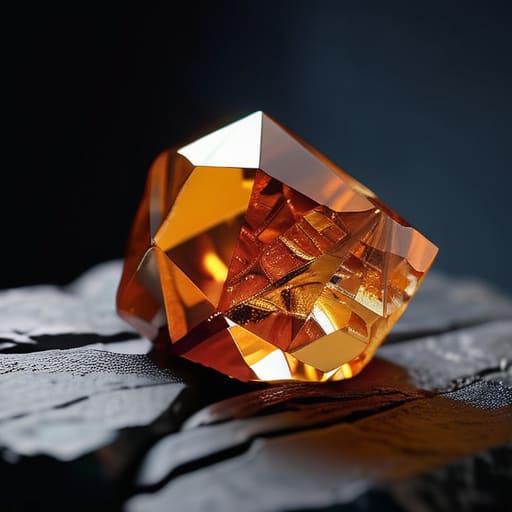
When people hear “brown,” they usually think of something muddy or dull, like a wet pebble on a rainy Bergen pier. But in a grading lab, I’ve learned that color is rarely just one thing. A brown stone is often just a gemstone with a bit of iron or manganese interfering with its light. The trick is knowing when that interference is a flaw and when it’s actually a signature of something rare. For instance, when you are identifying high value brown minerals, you aren’t just looking for a shade; you’re looking for the way the light behaves inside the crystal structure.
There is a massive difference between a piece of common jasper and something like a cognac diamond. While many collectors chase the bright, saturated blues and reds, there is significant brown gemstone investment potential in stones that possess a complex, “living” color. I’m talking about stones that shift from a deep, coffee-bean hue to a warm, honey-like glow when they catch the light. If you can learn to spot that depth, you’ll find that some of the most underrated brown precious stones are actually the ones that hold their value best when the trends shift.
Key Things to Know
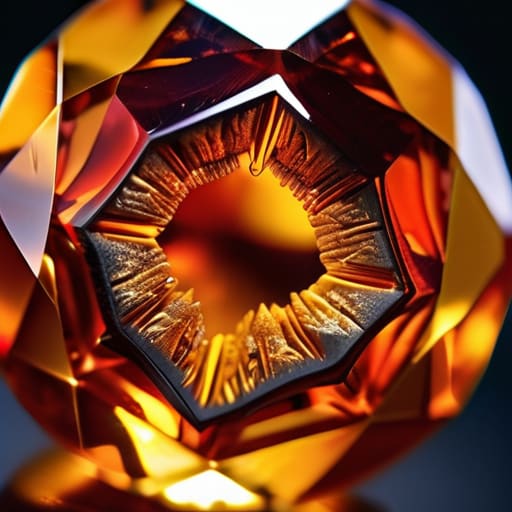
When you’re looking at a brown stone, the first thing you need to do is look past the “muddy” reputation. Most people see brown and think of something dull or discarded, but if you know how to look, you’ll find some incredible chemistry. For instance, when I’m identifying high value brown minerals, I’m looking for how the light interacts with the crystal structure. A stone might look like a simple pebble in a dry shop, but under a loupe, a high-quality brownish-orange Spessartine garnet looks like liquid honey held under a running tap. That’s the difference between a common rock and a gem.
You also have to be wary of the “look-alikes.” In my years in the lab, I’ve spent countless hours distinguishing brown diamonds from zircon. They can look remarkably similar to the untrained eye, but the weight and the way they play with light are dead giveaways. Don’t let a salesperson rush you; a real gem has a specific gravity and a refractive index that a fake just can’t mimic. Once you know the science, you can decide if you want to wear it or just keep it on your desk.
Practical Tips and Steps
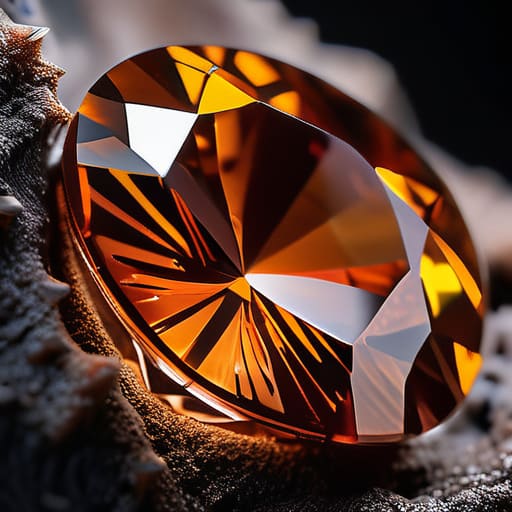
When you’re sitting across from a dealer or scrolling through an auction site, start with the light. I always tell my students that a stone’s true character only emerges when it’s hit by something more substantial than a phone flashlight. If you are identifying high value brown minerals, look for “life” inside the crystal. A high-quality cognac zircon or a fine smoky quartz shouldn’t look like a piece of dried mud; it should have a depth that reminds you of wet, dark peat or polished mahogany. If the color looks flat or “milky,” it’s likely a low-grade specimen or a synthetic imitation.
Don’t be afraid to ask for a loupe or a macro photo. I’ve spent years looking at inclusions, and that is where the truth hides. For instance, when you’re distinguishing brown diamonds from zircon, look at the way the light bounces. Diamonds have a specific, sharp brilliance, whereas zircon has a heavy, watery “fire” that can trick the eye if you aren’t careful. Check the edges of the facets; if they look rounded or “melted,” you’re likely looking at glass or resin rather than a genuine mineral.
Common Mistakes to Avoid
The biggest mistake I see is people assuming “brown” means “cheap” or “muddy.” In a grading lab, I’ve seen collectors walk right past a high-quality cognac diamond because they were hunting for colorless stones, or dismiss a stunning Padparadscha sapphire because the orange-pink hue leaned too heavily into a brownish tone. Don’t let a lack of saturation blind you to quality. When you are identifying high value brown minerals, look past the color and focus on the clarity and the way the light travels through the crystal lattice. A stone can be deep, earthy, and still possess a brilliance that puts a pale white stone to shame.
Another pitfall is failing to check for treatments. Some stones are heat-treated to shift their color, while others are dyed to mask inclusions. This is especially tricky when distinguishing brown diamonds from zircon; one is a structural marvel of carbon, the other is a beautiful silicate, and they behave entirely differently under a loupe. Always ask for a lab report if the price seems too good to be true. If a seller can’t tell you the specific mineral species, they probably don’t know it themselves.
Final Thoughts
At the end of the day, a stone doesn’t care if you call it a “healing tool” or if you just like the way it catches the light on your finger. My job is simply to make sure you know what you’re holding. Whether you are looking for underrated brown precious stones to add to a collection or just want a piece of something solid and real, the goal is the same: knowing the difference between a piece of glass and a piece of history.
I’ve spent years staring through a loupe, and I can tell you that the most interesting finds rarely scream for attention. They sit there, quiet and unassuming, often looking like something you’d find at the bottom of a tide pool after a storm. If you take the time to learn the mechanics of identifying high value brown minerals, you’ll find that the market is full of surprises. Don’t be afraid of the brown shades; often, the most complex stories are written in the darkest hues. Just keep your eyes sharp and your expectations grounded in the chemistry.
The value isn't in the color
People tend to overlook brown stones because they aren’t shouting for attention like a pink tourmaline, but a high-quality smoky quartz or a cognac zircon has a depth that’s far more interesting than a bright, shallow spark. I’ll show you how to spot the real mineral structure so you don’t get swindled, but once you’ve found a stone that looks like wet earth or dark honey, what you choose to do with it is entirely your business.
Dagny Solheim
A Final Look at the Earth's Palette
At the end of the day, navigating the world of brown stones comes down to knowing the difference between a piece of common jasper and a high-quality smoky quartz or a rich, chocolatey zircon. We’ve talked about looking past the surface, checking the hardness, and making sure you aren’t being sold a piece of dyed glass or resin. Whether you are looking for a investment-grade specimen or just a pebble that catches the light, the goal is the same: don’t let the color fool you into overpaying. If you understand the mineralogy—the actual chemistry of what is sitting in your palm—you can move through a gem show or an online shop with a bit of quiet confidence.
There is something deeply grounding about these stones. While the world often chases the bright, flashy pinks and blues, there is a particular kind of beauty in the earthier tones—the colors that look like wet silt or dark peat after a heavy rain. These stones don’t need to scream to be noticed. They have been under pressure for millions of years, and they carry that weight with them. Whether you intend to keep them in a velvet-lined box, wear them in a ring, or just keep them on your desk to remind you of the ground beneath your feet, own them for what they are.
