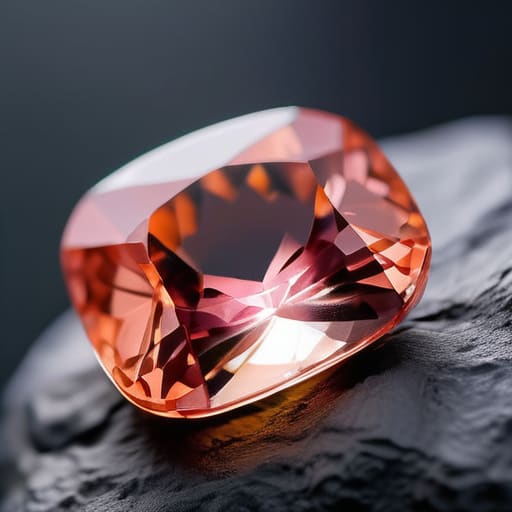
I spent six years hunched over a bench in a grading lab, looking through a loupe until my eyes burned, and if there is one thing that makes my skin crawl, it is the way people treat the Padparadscha. You’ll see auction houses and online “mystics” using flowery, expensive language to describe a stone that is, at its heart, just a very specific variety of corundum. They try to sell you a spiritual experience, but when it comes to padparadscha sapphire and the colour that defines it, they often end up selling you a pink sapphire with a heavy orange tint or, worse, a treated stone that won’t hold its glow. To me, that color shouldn’t feel like a marketing term; it should look like the sky over the North Sea just as the sun hits the water—that specific, fleeting transition from peach to rose.
I’m not here to tell you that owning one will change your aura, but I am going to tell you exactly what you are looking at. I’ll break down the mineralogy, show you how to distinguish a true sunset hue from a laboratory trick, and explain why the chemistry matters more than the hype. My goal is to give you the technical truth so you can decide if the stone is worth your money. Once you know the difference between a genuine gem and a clever fake, what you choose to do with it is entirely up to you.
The Unlikely Alchemy of Padparadscha Sapphire and the Colour That Defines I
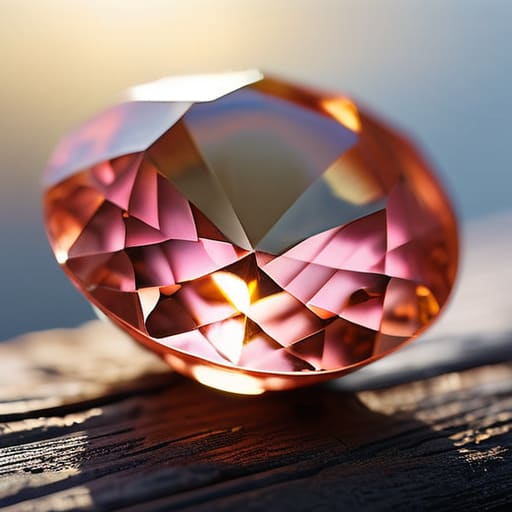
To understand why this stone is so elusive, you have to look at the chemistry. We are talking about corundum—the same mineral family as rubies and sapphires—but with a very specific, delicate tweak. While a ruby is saturated with chromium and a blue sapphire is fueled by iron and titanium, the Padparadscha exists in a narrow, precarious window of trace elements. It’s a balancing act where the mineral must hit the exact right ratio to produce those pink and orange gemstone hues that look like a sunset hitting a wet pier.
In my years in the lab, I’ve seen plenty of stones that try to mimic this look by leaning too hard into one side of the spectrum. If it looks like a bright, neon pink, it’s just a pink sapphire. If it looks like a burnt tangerine, it’s likely something else entirely. The real magic happens in the transition. When you are distinguishing padparadscha from pink sapphire, you aren’t just looking for a color; you are looking for a specific, glowing equilibrium. It is a rare feat of nature, a moment where the gemstone color spectrum decides to stop being predictable and starts being something truly singular.
Chasing the Sunset Understanding Precious Gemstone Color Theory
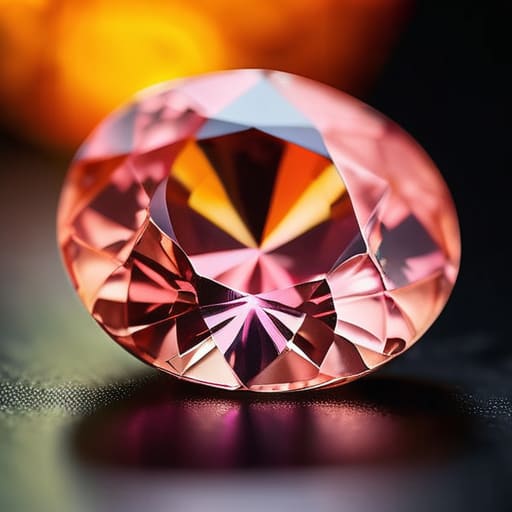
When I was working the bench in the lab, I spent half my life staring into a loupe, trying to map out where one color ends and another begins. In precious gemstone color theory, we often talk about wavelengths and light refraction, but to me, it’s always been about the balance. Most people think of gemstones in binary terms—it’s either pink or it’s orange. But the real magic happens in that narrow, difficult-to-capture intersection. You aren’t just looking for a color; you are looking for a specific tension between those two sides of the spectrum.
Finding that perfect equilibrium is what makes certain rare corundum varieties so much more valuable than their cousins. When I look at a true Padparadscha, I don’t see a simple tint; I see a color that looks like a shallow tide pool hitting wet, sun-scorched sand. It has to hit that exact sweet spot of pink and orange gemstone hues without leaning too heavily into one camp. If it’s too pink, it’s just a pink sapphire; if it’s too orange, it loses that delicate, sunset-soaked character that defines the variety.
Mapping the Gemstone Color Spectrum to Find the Perfect Balance
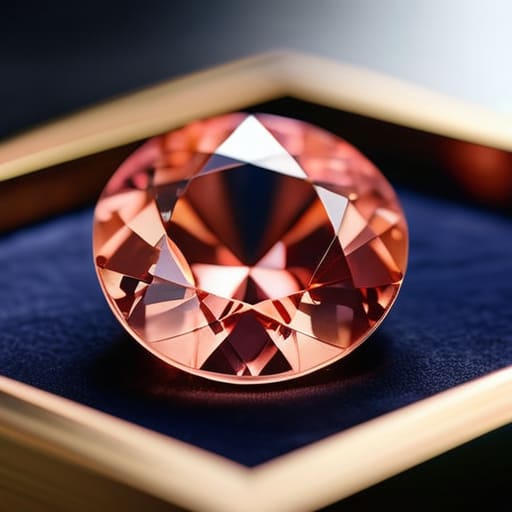
When you’re looking at a tray of stones under a loupe, you start to see how narrow the margin for error actually is. In the broader gemstone color spectrum, we often talk about shades in isolation, but with this specific variety, it’s all about the tension between two poles. You aren’t just looking for a color; you are looking for a precise equilibrium. If the stone leans too heavily into a warm peach, it loses its identity; if it shifts too far toward a rose petal shade, you’re simply looking at a high-end pink sapphire.
To find that sweet spot, I always look for the way the light hits the facets—it should look like the exact moment a tide pulls back from a sun-drenched beach, leaving behind a surface that is simultaneously pink and orange. Finding these specific pink and orange gemstone hues in perfect proportion is what makes them among the most sought-after rare corundum varieties in the world. It isn’t about finding the brightest stone in the room; it’s about finding the one that holds that delicate, sunset-soaked balance without tipping over into something common.
Where the Earth Conceals These Rare Corundum Varieties
Finding these stones isn’t like looking for quartz in a creek bed; you won’t stumble upon them by accident. Most true Padparadschas come from the alluvial deposits in Sri Lanka, where the earth has spent millions of years sorting through the debris. When I think of that specific color, I think of the way the tide looks hitting a granite slab at dawn—that fleeting, bruised moment where the light isn’t quite pink and isn’t quite orange, but something else entirely. Because they are among the most rare corundum varieties on the planet, the geology required to produce that exact chemical balance of chromium and iron is incredibly finicky.
You’ll also find traces in Madagascar or parts of East Africa, but the padparadscha sapphire origin is almost always tied to specific, high-pressure environments that allow for those delicate pink and orange gemstone hues to stabilize. It’s a geological tightrope walk. If the chemistry shifts even slightly, you stop having a Padparadschas and end up with just another pink sapphire. It’s the difference between a sunset and a neon sign; one has depth, and the other is just loud.
Decoding the Delicate Pink and Orange Gemstone Hues
When I’m sitting at my bench with a loupe, the first thing I look for isn’t just a color, but a specific kind of light. Most people see pink and orange gemstone hues and think they’re looking at a sunset, but in the lab, we’re looking for a very precise chemical balance. A true Padparadscha shouldn’t look like one color or the other; it should look like they’ve melted into one another. I often describe the ideal shade as looking like a piece of sea glass that has been soaked in a peach nectar, vibrant but soft.
The real challenge comes when you are distinguishing Padparadscha from pink sapphire. A standard pink sapphire is often just… pink. It’s straightforward. But these rare corundum varieties require a delicate dance of trace elements—chromium for the pink and iron for the orange. If the stone looks too much like a bright sunset or a neon orange, it’s likely just a common sapphire with heavy heat treatment. You want that subtle, salmon-tinted glow that feels like it’s coming from inside the stone, rather than just sitting on the surface.
Distinguishing Padparadscha From Pink Sapphire Without the Fluff
When you’re looking through a loupe, the line between a high-end pink sapphire and a true Padparadscha can feel incredibly thin. Most people will tell you it’s just about the shade, but it’s more about the balance. A pink sapphire, even a lovely one, tends to lean heavily into one side of the spectrum. It’s a singular note. A Padparadscha, however, is a duet. You are looking for that specific intersection where the pink and orange gemstone hues don’t fight each other, but instead blend like the sky just after a heavy rain has stopped and the sun starts to break through.
To master distinguishing Padparadscha from pink sapphire, stop looking for “orange” as a separate color. If the stone looks like a pink gem with orange flecks, it’s likely just a pink sapphire with inclusions. You want a stone that looks like it was soaked in a sunset; the color should feel unified and saturated. If the hue feels “split” or one color dominates the other, you’re looking at a standard variety. Real Padparadschas are among the most rare corundum varieties precisely because that perfect, wet-looking equilibrium is so difficult for nature to pull off.
Tracing the Padparadscha Sapphire Origin and Its True Worth
When you start looking into the padparadscha sapphire origin, you quickly realize that “rare” is an understatement. Most of the world’s finest specimens come from Sri Lanka, where the geological conditions allow for that specific, fleeting balance of light. It isn’t just about finding a stone that happens to be pink and orange; it’s about finding a stone where those two colors have actually married within the crystal structure. In my time in the lab, I’ve seen plenty of stones that try to mimic this by being heavily heat-treated to shift their tone, but they usually lack the soul of a natural specimen.
The true worth of these rare corundum varieties isn’t just a matter of market hype or a fancy certificate. It comes down to the difficulty of the find. Because the window for this specific color is so narrow on the gemstone color spectrum, a truly balanced stone is a geological fluke. You aren’t just paying for a pretty object; you are paying for a statistical impossibility that survived the crushing weight of the earth to end up under your loupe.
The Balance of the Hue
A true Padparadscha isn’t just a pink stone or an orange stone; it’s that fleeting, precise moment when the light hits the tide just right—that specific, saturated glow that looks like a sunset caught in a pool of seawater. If it leans too far toward candy-pink or heavy pumpkin-orange, it’s just another corundum, but when that balance hits, you’re looking at something the earth rarely gets right on the first try.
Dagny Solheim
Final Thoughts on the Sunset Stone
We have covered a lot of ground, from the specific chemical makeup of corundum to the tricky way light dances through that particular shade of salmon-pink. Identifying a true Padparadscha isn’t about memorizing a textbook; it is about training your eye to recognize that precise, delicate balance between pink and orange that looks like the sky just after a heavy rain has washed the air clean. Whether you are checking for inclusions under a loupe or debating the merits of a Sri Lankan origin versus a Madagascar find, remember that the goal is to find the stone that matches the description, not just the one with the highest price tag. You now have the tools to distinguish the real thing from the over-saturated pinks and muddy oranges that often pass for it in lesser markets.
At the end of the day, a sapphire is just a piece of geology—a hard, beautiful bit of mineral that took millions of years to form under immense pressure. You can look at it through the lens of a scientist, or you can look at it and feel the same pull I feel when I see the first light of dawn hitting the North Sea. I don’t care if you buy it as a serious investment or if you just think the color makes you feel a bit more grounded when you wear it. Once you have verified its composition and clarity, the stone belongs to you. Go find the one that speaks to you, and don’t let anyone talk you out of your intuition.