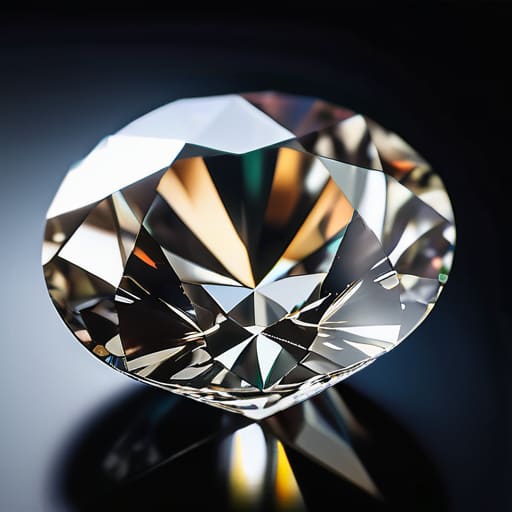
I spent six years hunched over a bench in a grading lab, staring through a loupe until my eyes felt like they were filled with sand. I’ve seen enough “miracle stones” to know that most of the hype around light performance is just expensive marketing fluff designed to separate you from your money. People get so caught up in fancy terminology that they miss the actual mechanics of the stone, specifically the pavilion and why depth decides brightness. You don’t need a degree in optics to see that if the bottom of the stone is cut too shallow or too deep, the light isn’t going to dance; it’s just going to leak out the sides like water through a cracked bucket.
I’m not here to sell you on some mystical energy or give you a lecture on light refraction that sounds like a textbook. I’m going to show you exactly how that lower part of the stone—the pavilion—works to bounce light back to your eye, and how to spot a bad cut before you pay for it. I’ll explain the physics of the depth, but once you understand why a stone looks dull or bright, what you decide to do with that knowledge is entirely your business.
The Pavilion What the Cut Is Actually Made of
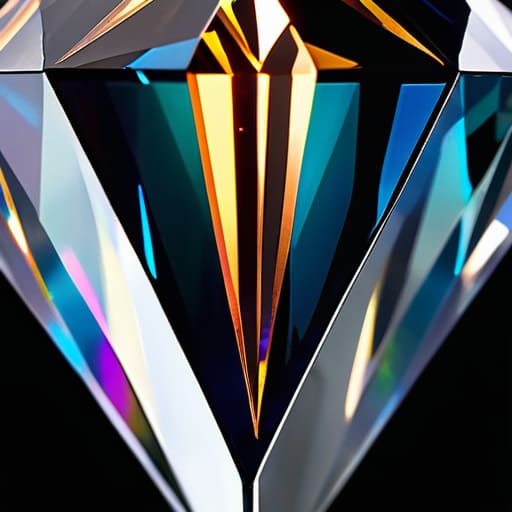
If you flip a gemstone over, you’re looking at the pavilion. It’s the bottom portion of the stone, the part that usually sits against your finger, but don’t let its position fool you. While the crown catches the eye, the pavilion is where the heavy lifting happens. It is essentially a series of angled windows designed to manage how light enters and exits the stone. If the facets are cut correctly, you get total internal reflection in gems, meaning the light bounces off the bottom facets like a ball hitting a wall and heads back up toward your eye.
When I’m looking through a loupe, I’m checking the gemstone facet geometry explained by the cutter’s skill. If the pavilion is too shallow, the light doesn’t hit the walls at the right angle; it just slips straight out the bottom. I call that “windowing.” It makes a stone look like a piece of dull glass rather than something alive. If it’s too deep, the light gets trapped in a dark corner, making the stone look “extinguished.” Finding that optimal pavilion angle for brilliance is the difference between a stone that glows and one that just sits there.
The Pavilion and Why Depth Decides Brightness
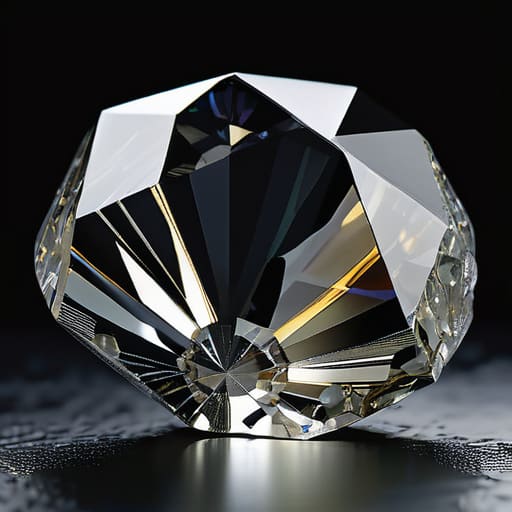
Think of the pavilion as the engine room of the stone. If the crown is the window, the pavilion is what actually manages the light. When light enters the top of a gem, it travels down through the body and hits those bottom facets. If the angles are just right, we see total internal reflection in gems, meaning the light bounces off the pavilion walls like a ball hitting a bumper in a pinball machine, eventually heading back up to your eye. But if the pavilion is too shallow or too steep, the light doesn’t bounce; it just escapes through the bottom.
This is where you see light leakage, which makes a stone look dull, almost like it’s been left out in the rain or covered in a thin film of oil. To get that crisp, dancing fire, you need an optimal pavilion angle for brilliance that keeps the light trapped inside the geometry of the cut. It’s a delicate balance of math and physics, but once you see how the depth dictates whether a stone glows or simply disappears, you’ll never look at a piece of jewelry the same way again.
Diamond Light Refraction Principles How the Light Travels
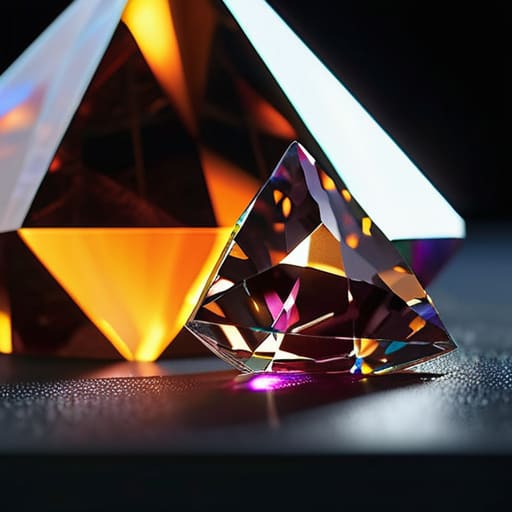
To understand why a stone dances, you have to stop looking at the surface and start thinking about the path the light takes once it passes through the table. When light enters a diamond, it doesn’t just sit there; it travels through the crystal lattice, bouncing off the internal facets like a pinball. This is the core of total internal reflection in gems. If the pavilion is cut at just the right angle, the light hits those bottom facets and reflects back up toward your eye. It’s a controlled, predictable journey.
However, if that angle is even a fraction too shallow or too steep, the physics fails. Instead of bouncing back up, the light hits the facet and “leaks” out the bottom, much like water draining through a sieve. This is exactly how light leakage affects gemstone sparkle—it leaves the stone looking dull, almost like a piece of glass that’s been left out in the rain. When the geometry is right, the light is trapped and redirected, creating that rhythmic flash we call brilliance. If the light escapes, the magic escapes with it.
Total Internal Reflection in Gems Keeping the Light Inside
Think of the pavilion like a series of mirrors. For a stone to actually sparkle, the light shouldn’t just pass through it like a window; it needs to hit those bottom facets and bounce back up toward your eye. This is the core of total internal reflection in gems. If the angles are right, the light stays trapped inside the stone, bouncing from one pavilion facet to the next until it finds its way out through the top. It’s a bit like how light behaves when it hits the surface of a deep fjord—if you hit it at just the right angle, it reflects perfectly instead of just disappearing into the dark.
When the math fails, you get what we call “leakage.” If the pavilion is too shallow or too steep, the light hits a facet and simply exits through the bottom of the stone. Instead of a bright, dancing gem, you end up with a stone that looks dull or “dead,” like a piece of sea glass that’s lost its luster. Finding that optimal pavilion angle for brilliance is the difference between a stone that looks like a concentrated burst of light and one that looks like a window into a dark hole.
The Optimal Pavilion Angle for Brilliance and True Fire
If you’re looking at a stone and it feels “dead” or dark in the center, you’re likely looking at a failure of geometry. There is a sweet spot—the optimal pavilion angle for brilliance—where the light hits the facets and bounces back to your eye instead of passing straight through the bottom. For a diamond, that angle is usually right around 40.6 to 41 degrees. If the angle is too shallow, the light escapes out the bottom like water through a sieve; if it’s too steep, the stone looks like it has a dark, muddy heart.
It’s a delicate balancing act of gemstone facet geometry explained through simple physics. When the proportions are correct, you get that dancing, rhythmic flash of color. When they aren’t, you get “light leakage,” which is just a fancy way of saying the stone is wasting its potential. I’ve spent enough hours under a loupe to know that even a half-degree shift can be the difference between a stone that looks like a wet pebble and one that looks like it’s holding a trapped star.
Gemstone Facet Geometry Explained the Architecture of Light
When you look at a faceted stone, you aren’t just looking at a pretty object; you are looking at a precise piece of mathematical engineering. Gemstone facet geometry explained simply means that every single flat surface—every facet—is angled to act like a tiny, specialized mirror. If the crown facets are the windows that let light in, the pavilion facets are the floor that bounces it back up to your eye. If these angles are even a fraction of a degree off, the whole system fails.
Think of it like a series of chutes in a water park. If the slope is just right, the water zips through with speed; if the angle is too shallow or too steep, the water just spills out the sides and disappears. This is exactly how light leakage affects gemstone sparkle. Instead of the light hitting the pavilion and bouncing back toward you, it hits a “dead” facet and escapes through the bottom of the stone. You end up with a gem that looks dull or “glassy,” even if the material itself is high quality. It isn’t a flaw in the mineral, just a failure in the architecture.
How Light Leakage Affects Gemstone Sparkle and Your Value
When you look at a stone that seems “dead” or milky despite being high quality, you’re usually looking at light leakage. This happens when the pavilion facets aren’t angled correctly to bounce light back to your eye. Instead of following the rules of total internal reflection in gems, the light hits a facet at the wrong angle and simply passes straight through the bottom of the stone. To my eye, a stone with heavy leakage looks like a piece of sea glass that’s been tumbled in the surf—it has a dull, matte quality where there should be life.
This isn’t just a matter of aesthetics; it’s a matter of what you’re paying for. If you are following a gemstone cut proportions guide, you’ll see that even a fraction of a degree off can turn a brilliant gem into a dark, hollow-looking one. When light escapes through the bottom, the stone loses its ability to display fire and scintillation. You might be holding a chemically perfect crystal, but if the geometry is wrong, you’re essentially paying for a light show that never actually starts.
The Physics of Sparkle
Think of the pavilion like the hull of a boat; if the angle is off, the light just leaks out the bottom like water through a cracked seam, leaving you with a stone that looks dull and grey, like a pebble pulled from a silted-up fjord.
Dagny Solheim
The Final Look Through the Loupe
At the end of the day, a gemstone’s beauty isn’t magic; it’s a matter of geometry. We’ve looked at how the pavilion acts as the engine of the stone, using total internal reflection to bounce light back to your eye rather than letting it leak out the bottom like water through a sieve. Whether you are looking at a diamond or a sapphire, that pavilion depth is the deciding factor between a stone that looks dull and flat and one that dances with light. If the angles are off, the physics simply won’t work, no matter how high the carat weight claims to be. Remember to look past the surface and check if the light is actually being trapped and redirected where it belongs.
I know that when you’re looking at a ring in a shop window, you aren’t thinking about refractive indices or facet angles. You’re looking for a feeling. But knowing the science behind the sparkle gives you a bit of armor when you’re making a purchase. Once you understand that a stone’s brilliance is a result of its structural integrity, you can shop with a much steadier hand. Whether you want a gem for its geological history, its investment value, or just because it looks like the ocean on a stormy morning, buy the stone for its substance, not just its sales pitch.
