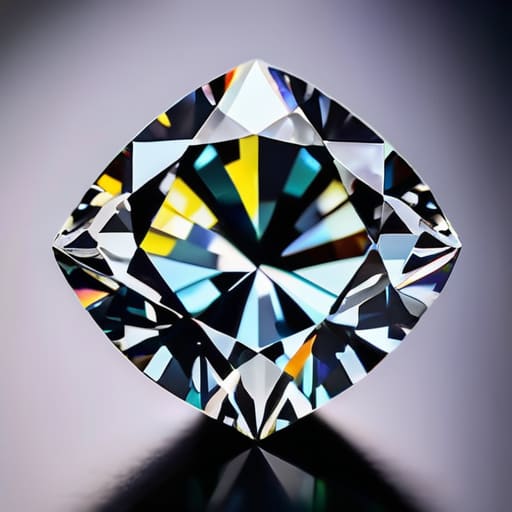
I spent six years in a grading lab, hunched over a microscope until my neck ached, watching light bounce through carbon structures. I’ve seen enough “miracle stones” to know that the marketing departments are usually trying to sell you a dream that doesn’t exist in the mineralogy. Most people think a princess cut is just a square diamond, but if you don’t understand the geometry, you’ll end up with a stone that looks dead the moment you step out of the jewelry store. When you’re figuring out what to look for when buying a princess cut, you shouldn’t be listening to a salesperson’s pitch about “energy” or “prestige”; you need to be looking at the facet junctions and the way the light actually behaves.
My goal here isn’t to sell you a specific stone or push some overpriced brand. I’m going to tell you exactly how these diamonds are cut, how to spot a poorly proportioned stone that leaks light like a sieve, and how to ensure you aren’t paying for flaws disguised as features. Once you know the science of the cut, you can decide if you want it for an engagement ring or just to keep in your pocket. I’ll give you the facts; the rest is up to you.
Understanding What to Look for When Buying a Princess Cut
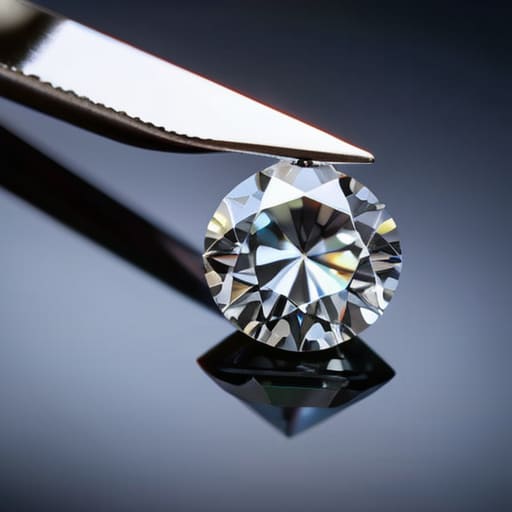
When you look at a princess cut under the loupe, you aren’t just looking for sparkle; you’re looking for geometry. Because this is a square-shaped stone, any slight error in the cut becomes immediately obvious. I always tell people to start with the princess cut diamond proportions. If the stone is too deep, it will look dark in the center, like a pool of ink at midnight. If it’s too shallow, the light leaks out the bottom, and you lose that crisp, sharp fire that makes the cut special in the first place.
You also need to keep an eye on the corners. Unlike a round brilliant, which is a continuous loop of light, the princess cut has four distinct points. I’ve seen many stones where the princess cut corner durability is compromised because the cutter pushed too far to maximize weight. If those corners look too sharp or thin, they are prone to chipping during everyday wear. It’s a trade-off between getting a bigger stone and getting one that actually survives being part of a ring.
Key Things to Know
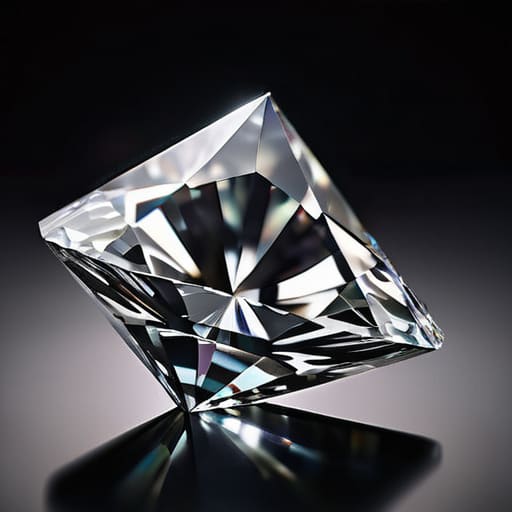
First, we need to talk about the geometry. A princess cut is a square, but not every square is created equal. If the proportions are off, the stone can look “crushed,” like a pile of ice shards rather than a single, cohesive gem. I always look for ideal princess cut symmetry; you want the lines to be crisp and the facets to meet with mathematical precision. If the symmetry is sloppy, the light won’t bounce back to your eye the way it should, and you’ll end up with a stone that looks dull even under a bright lamp.
Then there is the physical reality of the shape. Because of those sharp, 90-degree angles, you have to be mindful of princess cut corner durability. In the lab, I’ve seen many stones with tiny chips right at the points—the most vulnerable part of the geometry. If you’re setting this in a ring, make sure the metal actually protects those corners. It’s a small detail, but it’s the difference between a stone that lasts a lifetime and one that loses its shape after a few bumps against a granite countertop.
Practical Tips and Steps
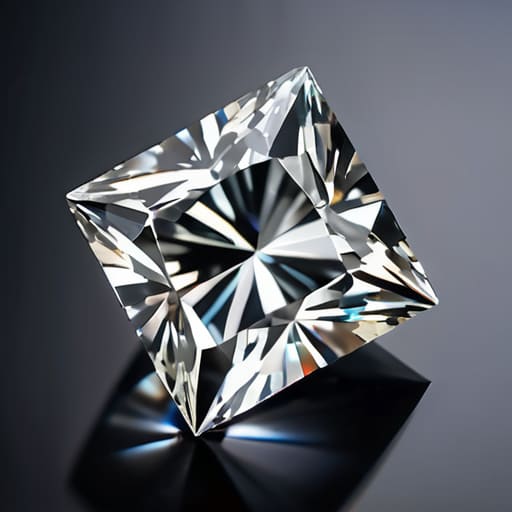
When you’re sitting across from a jeweler, don’t just stare at the sparkle; look at the geometry. Because a princess cut is essentially a square, any slight deviation in the angles becomes glaringly obvious. I always suggest checking the ideal princess cut symmetry by looking directly through the table. If the facets look skewed or the lines don’t meet cleanly at the center, the stone will feel “off” to the eye. You want those lines to be as sharp as a fresh crack in sea ice.
Next, pay close attention to the corners. In my years in the lab, I saw far too many stones where the points had been rounded down to prevent chipping, which ruins the silhouette. You need to verify the princess cut corner durability by ensuring the points are crisp but not dangerously thin. Finally, compare the light return to what you’re used to. While a princess cut vs round brilliant offers a different kind of fire, you should still see a consistent flash of light rather than dark “dead zones” in the middle of the stone.
Common Mistakes to Avoid
The biggest mistake I see is people getting distracted by a stone that looks “perfect” at first glance, only to realize later that the light isn’t moving through it correctly. Because a princess cut is all about those sharp, geometric angles, you can’t just rely on a quick glance. If the princess cut diamond proportions are off, the stone will look “dead” or dark in the center, no matter how much it sparkles under a shop light. I’ve sat in labs looking at stones that looked great in a velvet box but lost all their life once they were set in metal because the facets weren’t balanced.
Another trap is ignoring the physical reality of the shape. People often forget about princess cut corner durability; those four points are the most vulnerable parts of the entire gem. If you buy a stone with tiny, microscopic chips or “nicks” right at the tips, those aren’t just cosmetic flaws—they are structural weaknesses that will eventually lead to a crack. Don’t let a high carat weight blind you to a stone that is structurally compromised. Check the corners with a loupe before you commit.
Final Thoughts
At the end of the day, buying a diamond isn’t about finding a perfect specimen in a vacuum; it’s about finding the one that makes sense to you. Whether you are drawn to the sharp, modern edges of a princess cut or you find yourself comparing a princess cut vs round brilliant for its specific fire, the goal is to walk away feeling confident in the chemistry of the stone. I’ve spent enough hours under a microscope to know that a stone is just a collection of carbon and light, but that doesn’t make the choice any less personal.
Don’t let the sales pitch rush you. Take a moment to look closely at the princess cut corner durability and the way the light interacts with the facets. If the proportions feel off or the light seems to “leak” out of the bottom, it’s okay to put it back. Once you have identified a stone with the right symmetry and clarity for your budget, the rest is up to you. Whether you wear it every day or keep it tucked away, you’ve done the work to ensure it’s the real thing.
## The Geometry of Light
A princess cut is a bit of a high-wire act; those sharp corners are beautiful, but if the proportions are off by even a fraction, the light just leaks out the sides like water through a cracked hull. Don’t let a jeweler distract you with the sparkle alone—look past the flash to see if the stone actually holds its brilliance from every angle.
Dagny Solheim
Final Thoughts
At the end of the day, buying a princess cut comes down to looking past the initial sparkle and checking the mechanics. You need to verify the diamond’s chemistry, ensure the corners aren’t too fragile, and make sure the light isn’t just leaking out the sides like water through a sieve. Whether you are checking the GIA report or squinting through a loupe to find inclusions, remember that a good cut is about geometry, not just flash. Don’t let a salesperson rush you into a decision before you’ve confirmed that the stone’s proportions actually hold the light the way they should. If the corners look sharp and the center is bright, you’ve likely found something solid and worthwhile.
Once you’ve done the hard work of verifying the mineral and the math, the technical side of the journey is over. A princess cut is a modern, sharp piece of geometry, but it becomes something more once it’s in your hands. Whether you want it to be a symbol of a life milestone, a piece of wearable art, or just a beautiful bit of carbon to keep in your pocket, that is entirely your decision. I’ve spent years looking at stones under a microscope, and while I care deeply about the clarity and the lattice structure, I know that the value you find in a stone is something no lab report can ever truly measure.
