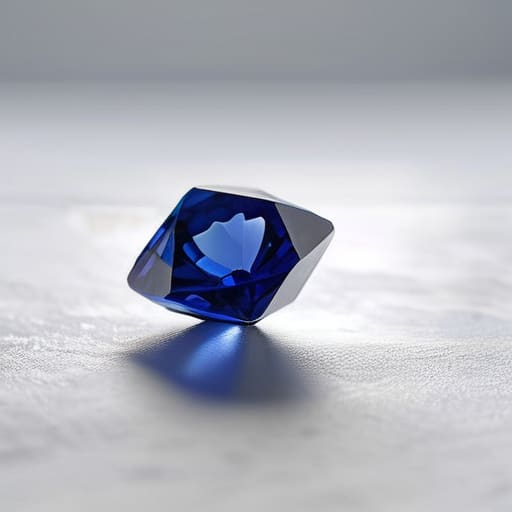
I remember sitting in a cramped, fluorescent-lit lab in Bergen, staring through a loupe until my eyes felt like they were filled with sand. A client had handed me a slip of paper, beaming with pride, convinced that the fancy seal on the document meant they had found a miracle. But as I looked at the stone, I saw the truth: a heavily treated amethyst that looked like a bruised plum after a heavy rain, despite what the glossy paper claimed. People treat these documents like holy relics, but there is a massive gap between the marketing hype and what a gemstone certificate actually tells you.
I’m not here to sell you on the magic or the “energy” of a stone, nor am I here to gatekeep with academic jargon. My goal is simple: I want to show you how to read between the lines of that paperwork so you don’t end up with a piece of glass masquerading as a sapphire. I’ll break down the technical data, point out the red flags that labs sometimes gloss over, and help you understand the chemistry of what you’re holding. Once you know the facts, whether you wear the stone or keep it in a drawer is entirely your business.
Peeling Back the Paper to See What a Gemstone Certificate Actually Tells Yo
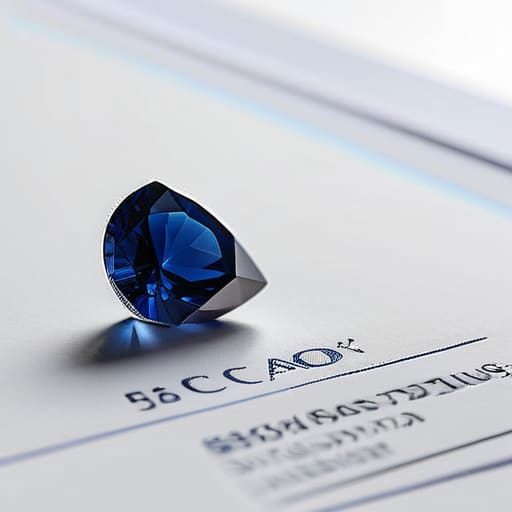
When you hold a piece of paper from a lab, you aren’t holding a guarantee of “magic” or even a guarantee of value; you are holding a snapshot of physical data. Most certificates focus on the hard numbers: the species of the mineral, the weight in carats, and the specific measurements of the cut. If you are interpreting gemstone authenticity reports, you should look first for the chemical identity. A certificate tells you if that blue stone is truly sapphire or just a very clever piece of blue spinel. It won’t tell you if the stone is “soulful,” but it will tell you if it’s stable.
The real meat of the report, however, lies in the fine print regarding identifying gemstone treatments and enhancements. This is where people often get tripped up. A stone might look as clear as a mountain stream after a rain, but the report might reveal it has been lead-glass filled or heat-treated to achieve that color. There is also a massive difference between a lab report and an appraisal. A lab report is a scientific autopsy of the stone’s composition; an appraisal is an opinion on what it’s worth in today’s market. One is about physics, the other is about money.
The Real Truth Behind Gemological Laboratory Grading Standards
When you look at a report, you’re looking at a snapshot of a stone through a specific lens. The thing is, not all lenses are equal. There is a massive importance of GIA vs other labs that people often overlook when they are excited about a new purchase. A top-tier lab follows strict, standardized protocols—think of it like a recipe that must be followed exactly to the gram. Other labs might be perfectly fine, but their “recipe” might be a bit more loose, leading to a grade that feels a little too generous.
This is where the real work happens: identifying gemstone treatments and enhancements. A certificate isn’t just a trophy; it’s a record of what has been done to the mineral to make it look more appealing. Whether it’s heat treatment in a sapphire or irradiation in a spinel, the lab’s job is to tell you if the stone is “natural” or if it’s been nudged by human hands. I don’t care if you like a heated stone or not, but you deserve to know if you’re buying a raw piece of history or a highly engineered product.
The Vital Difference Between a Lab Report and an Appraisal
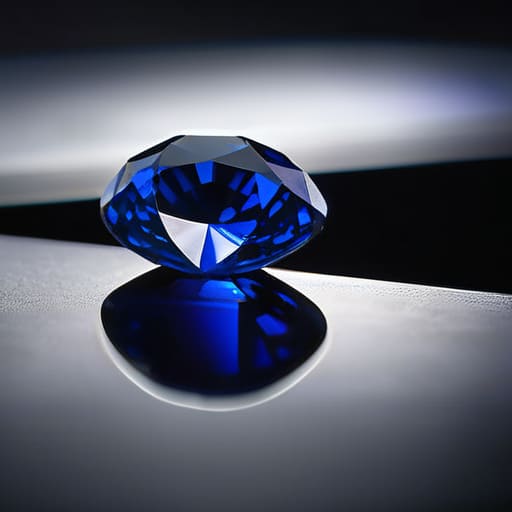
This is where most people trip up, and it’s usually because the terminology is intentionally muddy. Think of it this way: a lab report is a technical autopsy. It’s a cold, hard look at the mineral’s anatomy—its chemical composition, its refractive index, and whether it’s been heat-treated to look more like a sunset over a wet pier. When you are interpreting gemstone authenticity reports, you are looking for data. A lab doesn’t care if the stone is worth a fortune or a pittance; they only care that the sapphire is actually corundum.
An appraisal, however, is a completely different beast. An appraiser is a human being making a professional opinion about value. While a lab report tells you the stone is a 2-carat spinel with no inclusions, an appraisal tells you what you might pay for it at auction or what it’s worth for insurance purposes. Understanding the difference between a lab report and an appraisal is the best way to protect your wallet. One tells you what the stone is, and the other tells you what the stone is worth. If you’re buying a ring, you want both, but don’t mistake a technical data sheet for a price tag.
How to Spot the Hidden Story of Gemstone Treatments and Enhancements
When you look at a certificate, you aren’t just looking for a list of numbers; you are looking for the history of what has been done to the stone to make it look “perfect.” Most stones you see in a shop window have had a little help. Whether it’s heat treatment to bring out a saturated blue in a sapphire or resin filling to hide a crack in an emerald, these processes change the stone’s identity. Identifying gemstone treatments and enhancements is where the certificate becomes your best friend. If a stone is heated, the lab should say so. If it’s “glass-filled,” it’s a different story entirely.
I’ve spent years looking through a loupe at stones that looked like deep, wet ocean water, only to find they had been chemically treated to achieve that exact hue. A good report will be blunt about this. If you are interpreting gemstone authenticity reports, look specifically for the treatment section. If it’s blank or vague, that’s a red flag. A stone’s true value lies in its natural state, but if you’re happy with a treated stone because it looks beautiful on your hand, that’s your call. Just make sure you know what you’re paying for.
Why the Importance of Gia vs Other Labs Matters to You
When you’re looking at a certificate, you’ll notice some names pop up more than others. You’ll see the GIA mentioned constantly, and then you’ll see a dozen other labs with acronyms that look just as official. Here is the thing: not all labs play by the same rulebook. The importance of GIA vs other labs isn’t about which one is “better” in a vacuum, but about how strictly they adhere to universal gemological laboratory grading standards. Think of it like a weather report; one person might tell you it’s “chilly,” while a meteorologist gives you the exact Celsius reading.
The GIA is the meteorologist. They use a very specific, rigid set of scales for things like color and clarity. Other labs might use a slightly more “generous” scale—the kind of thing that makes a stone look a bit more vibrant, like the way a pebble looks when it’s just been pulled from a salt-water tide pool. If you are interpreting gemstone authenticity reports to buy a high-value investment, you want to know exactly which scale is being used. If the scales aren’t the same, you aren’t comparing apples to apples; you’re comparing apples to oranges.
Mastering the Art of Interpreting Gemstone Authenticity Reports
When you finally have that piece of paper in your hand, don’t just nod at the fancy letterhead and walk away. You need to look past the pretty font and get into the weeds of the data. I spent years staring through a loupe at inclusions that looked like tiny, frozen clouds in a storm, and those same tiny details are what the report is trying to translate for you. Focus on the specifics of understanding gemstone carat and clarity metrics; don’t just look for a grade, look for how that grade was reached. A “VS2” means something very different depending on whether the inclusions are silk-like or sharp, jagged crystals.
The real skill in interpreting gemstone authenticity reports lies in reading between the lines of the technical shorthand. If the report mentions “minor heating” or “oil in fractures,” it’s giving you the honest truth about the stone’s history, even if the seller tried to gloss over it. You aren’t just looking for a stamp of approval; you are looking for the physical reality of the mineral. Once you know how to read these technical details, you stop being a passive buyer and start being a person who actually knows what they own.
Decoding the Reality of Gemstone Carat and Clarity Metrics
When you look at a certificate, the numbers for carat and clarity often feel like absolute truths, but they are really just snapshots of a specific moment in time. Carat weight is a measurement of mass, not size, which is where people often trip up. A heavy, dense stone like a sapphire will look much smaller than a light, airy stone of the same weight. I’ve seen many people walk away from a purchase feeling cheated because they were understanding gemstone carat and clarity metrics through the lens of volume rather than actual weight.
Clarity is even more subjective. A lab might grade a stone as “eye-clean,” but that is entirely dependent on the person holding the loupe and the light they are using. I always think of it like the sea back home; a stone might look clear and deep like a calm fjord, but once you get close, you see the grit and the sediment. A certificate can tell you that a stone has “minor inclusions,” but it can’t tell you how those inclusions catch the light when you’re wearing it. You have to remember that these grades are just standardized approximations, not a physical law.
## The Bottom Line
A certificate isn’t a magic spell that makes a stone valuable; it’s just a map of the mineral’s physical reality. It tells you the chemistry, the hardness, and whether someone’s been heating it in a furnace to make it look more like a sunset. Once you know those facts, the rest—whether you wear it or keep it on a shelf—is your business.
Dagny Solheim
The Bottom Line
At the end of the day, a certificate is just a snapshot of a stone’s physical reality at a single moment in time. It tells you the chemistry, the weight, and whether that sapphire has been heat-treated to look like a deep, midnight sea. It won’t tell you if the stone is “lucky” or if it’s meant to change your life, but it will tell you if you’re paying for a natural mineral or a piece of lab-grown glass. Use the paperwork to verify the composition and to separate the genuine articles from the clever imitations. Once you’ve checked the inclusions and confirmed the lab’s reputation, you’ve done the heavy lifting of protecting your investment.
Once the science is settled and the report is tucked away, the stone stops being a list of data points and starts being yours. Whether you hold it because you love the way the light hits the facets, or because you feel a certain connection to its history, that is your prerogative. I spent years looking at stones through a loupe, seeing nothing but lattice structures and trace elements, but I know that a stone is more than just its Mohs hardness. Use the facts to stay grounded, but once you know the truth of what’s in your hand, let yourself enjoy the beauty of it.
