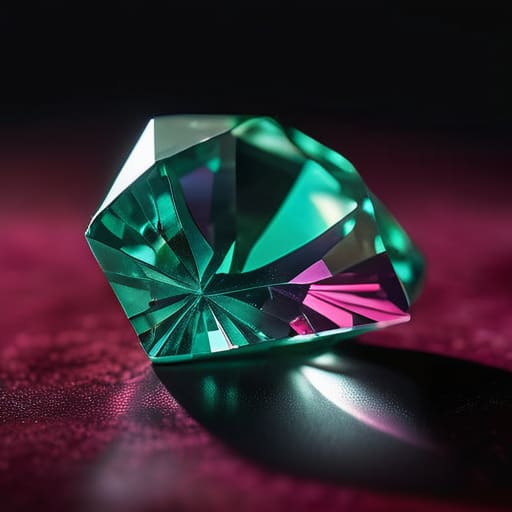
I spent six years hunched over a bench in a grading lab, staring through a loupe until my eyes felt like they were full of sand. I’ve seen enough “miracle” stones to know that most of the online chatter about colour change gemstones and what causes the shift is either pure marketing fluff or complete nonsense. You’ll see people claiming a stone is “vibrating with energy” because it turns from violet to blue, but that’s just a distraction. The truth is much more interesting: it’s about how light interacts with the actual chemical structure of the mineral. It’s not magic; it’s physics and chemistry, and it’s far more reliable than a crystal healer’s intuition.
I’m not here to sell you a dream or some expensive, mystical explanation. My goal is to strip away the hype and tell you exactly what is happening inside the crystal lattice to make those hues dance. I’ll explain the science behind the shift so you can identify a genuine stone from a clever piece of glass. Whether you want to wear it for the beauty of it or keep it on your desk for luck, you deserve to know what you are actually holding.
The Unfiltered Truth of Colour Change Gemstones and What Causes the Shift
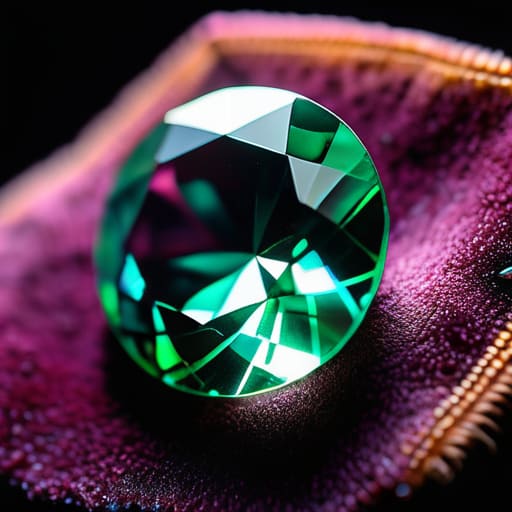
Most people think a stone is “magical” when it shifts from a forest green to a raspberry red, but it’s actually just a very specific reaction to the light source effect on gemstones. When you’re sitting in a room with warm, incandescent bulbs, the stone absorbs certain wavelengths and reflects others. Move it into the midday sun, and the physics change. It isn’t the stone changing its mind; it’s the stone reacting to the specific energy hitting it.
If we look at the chrysoberyl color change mechanism, we’re really looking at how the crystal lattice handles light. In the case of alexandrite, you’re seeing a complex interplay where the stone’s absorption bands are positioned just right to catch different parts of the spectrum. I often explain alexandrite pleochroism explained as a matter of direction and light, though technically, the color shift is a separate phenomenon from pleochroism. One is about how you look through the crystal, and the other is about the light hitting it. It’s a fine line, but once you understand the chemistry, the “mystery” becomes a beautiful, predictable piece of geology.
Peering Into the Atom the Chrysoberyl Color Change Mechanism
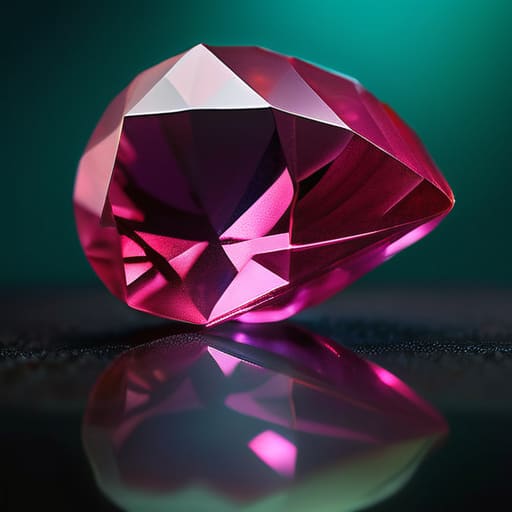
To understand why a stone like alexandrite behaves this way, you have to look past the surface and down into the atomic lattice. It isn’t magic; it’s a precise bit of chemistry involving chromium ions sitting in the crystal structure. When light hits these ions, they absorb specific wavelengths. The chrysoberyl color change mechanism relies on the fact that the stone’s ability to absorb light changes depending on whether the photons are coming from the sun or an indoor bulb.
In daylight, the stone absorbs much of the red end of the spectrum, making it look like a lush, mossy green—the color of a kelp forest after a heavy rain. But under incandescent light, the absorption shifts, and you’re left with a deep, raspberry red. This is often compounded by alexandrite pleochroism explained simply: the stone actually shows different colors depending on the angle at which you view it. It’s a complex dance of light and geometry, but once you see the physics at play, the “mystery” becomes a beautiful, predictable reality of mineralogy.
Beyond the Surface Alexandrite Pleochroism Explained
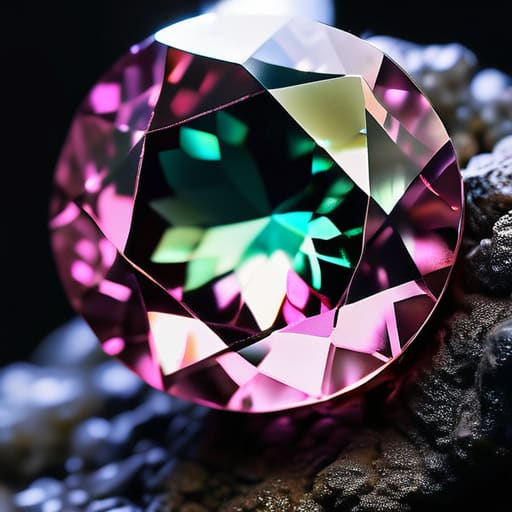
When you’re looking at a high-quality alexandrite, you aren’t just seeing a simple color flip; you’re seeing the stone fight with itself. This is where alexandrite pleochroism explained becomes a bit more complex than just a light source effect on gemstones. Because alexandrite is trichroic, it actually shows different colors depending on the angle at which you rotate it under the loupe. You might see a deep, mossy green from one side, but turn it slightly and find a purplish-red peeking through. It’s not a trick of the light—it is the crystal structure itself absorbing different wavelengths of light depending on your perspective.
I remember sitting in the lab, rotating a specimen and feeling that slight sense of vertigo when the hue shifted mid-turn. It’s a beautiful, dizzying dance. While the chrysoberyl color change mechanism handles the broad shift from day to night, the pleochroism adds a layer of internal complexity that you just don’t get with cheaper imitations. If a stone shifts color perfectly uniformly no matter how you tilt it, I’d be checking for synthetics immediately. Real alexandrite has character and inconsistency that tells you it’s the real deal.
The Deception of Illumination Light Source Effect on Gemstones
You can’t talk about color change without talking about the light hitting the stone. I’ve sat in many a dark grading lab, switching between incandescent bulbs and cool daylight lamps, just to see how a single specimen reacts. It isn’t magic; it’s physics. The light source effect on gemstones is the most common reason people think they’ve bought a “magic” stone when, in reality, they’ve just moved from a warm sunset to a harsh fluorescent office.
When you’re looking at a stone under warm, yellow light, it’s going to soak up those long wavelengths, often making reds and purples pop. Switch to a midday sun or a cool LED, and those same wavelengths are stripped away, leaving you with greens or blues. This isn’t the same as the chrysoberyl color change mechanism, which is baked into the crystal structure itself. This is just the stone reacting to its environment. If you’re buying a stone online, always ask for videos in both natural light and indoor lighting. If the seller only shows you one, they might be hiding a stone that looks like a dull pebble once you leave their studio.
Glow and Ghostliness Gemstone Fluorescence and Color
Sometimes, when you’re sitting in a dim room and a stone suddenly starts to look like it’s plugged into a battery, you aren’t seeing a trick of the light. You’re seeing gemstone fluorescence and color interacting in real-time. Fluorescence happens when certain minerals absorb ultraviolet light—which is invisible to us—and spit it back out as visible light. It can make a sapphire look like it’s glowing with the electric blue of a shallow fjord under a midday sun, or turn a diamond a strange, ghostly pink.
It is a distinct phenomenon from the chrysoberyl color change mechanism we discussed earlier. While color change is about how a stone absorbs different wavelengths of visible light, fluorescence is an active emission. In the lab, we use the spectroscopic properties of gemstones to figure out exactly which ions are causing that glow. It’s a vital tool for distinguishing between natural and lab-grown specimens. Whether that glow makes a stone more magical to you or just more confusing, that’s your call; to me, it’s just the chemistry showing its teeth.
The Scientists Eye Spectroscopic Properties of Gemstones
When I’m sitting in the lab with a spectroscope, I’m not looking for magic; I’m looking for lines. These absorption bands are like a mineral’s fingerprint. While a casual observer sees a stone that shifts from a mossy green to a raspberry red, the spectroscope tells me exactly which ions are responsible for that dance. By measuring how the crystal lattice absorbs specific wavelengths, we can differentiate between a genuine stone and a clever imitation. It’s the most reliable way to confirm the chrysoberyl color change mechanism is actually happening at an atomic level rather than being a surface-level trick.
Understanding the spectroscopic properties of gemstones is also how we separate the real deal from the lab-grown stuff. Synthetic stones can mimic the look of a high-end gem, but they often lack the subtle “impurities” or specific absorption signatures found in nature. I don’t care much for the mysticism of it, but I do care about the physics. If the spectrum shows a specific pattern of chromium or iron, I know I’m looking at a piece of history that’s been cooling in the earth for millions of years.
Real Earth or Lab Magic Natural vs Synthetic Color Change Gems
When I’m sitting at my bench with a loupe, the distinction between a natural stone and a lab-grown one isn’t always about the color itself, but about the imperfections that tell a story. A natural alexandrite, for instance, carries the weight of geological time; it has tiny inclusions—microscopic needles or liquid bubbles—that look like trapped seawater. Synthetic stones, even those that mimic the chrysoberyl color change mechanism perfectly, often look “too clean.” They are eerily perfect, lacking the chaotic, beautiful grit that comes from being squeezed inside a mountain for millions of years.
If you are looking at natural vs synthetic color change gems, you have to look for the “fingerprints.” Synthetics are grown in controlled environments, which often results in a lack of the subtle zoning or trace element variations found in earth-mined stones. Sometimes, a lab stone will have a color shift that feels almost too consistent, lacking the nuanced, moody transitions of a natural specimen. I don’t care if you want a perfect lab stone for a ring or a rugged natural one for a necklace, but knowing which is which helps you understand exactly what you’re holding.
## The Reality of the Shift
“A stone that changes color isn’t performing a magic trick; it’s just reacting to the way light hits its specific chemistry. It might look like a deep, stormy sea-green under the sun and then turn a bruised, wet-plum purple under a lamp, but that shift is written in its crystal structure long before it ever reaches your hand.”
Dagny Solheim
Final Thoughts from the Loupe
At the end of the day, a color-change stone is a complicated bit of business. It isn’t magic, even if it feels like it when you move from a candlelit dinner to the midday sun. It is a precise dance between light waves, trace elements like chromium, and the internal geometry of the crystal lattice. Whether it is the complex pleochroism of an alexandrite or the way a specific light source triggers fluorescence, there is always a chemical and physical reason for the shift. I hope this helps you look past the marketing gloss and see the actual mineral for what it is—a tiny, structural marvel that reacts to the world around it in ways that aren’t always predictable.
I know some people look for these stones to find a sense of balance or a connection to the earth, and honestly, I think that’s a fine way to live. If a stone that looks like a deep, wet forest green under one light and a bruised violet under another brings you a bit of wonder, then it has done its job. You don’t need to be a geologist to appreciate the extraordinary complexity of a stone that refuses to stay one thing. Whether you hold it to a microscope or hold it to your heart, just remember that the science is what makes the beauty possible.
