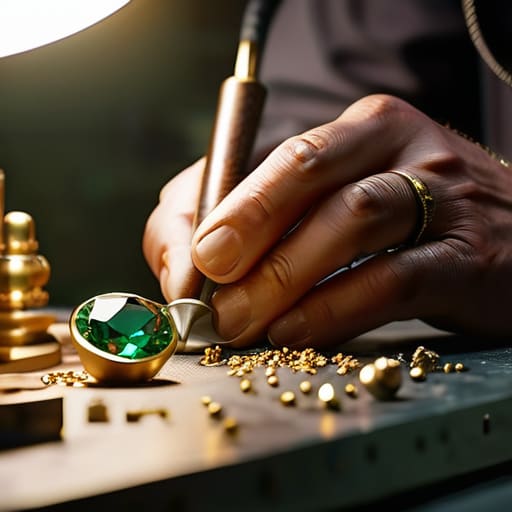
I remember sitting in a cramped grading lab in Bergen, staring through a loupe at a sapphire that looked like the ocean just after a storm—deep, dark, and heavy. A client had brought it in, frantic because her ring felt like it was choking her finger, but she was terrified that resizing a ring that already has a stone in it would somehow shatter the gem or ruin its setting. There is this pervasive, expensive myth in the jewelry world that once a stone is set, the metal becomes “off-limits” or too fragile to touch. It’s nonsense designed to make you feel like you need a specialist with a PhD just to move a bit of gold a millimeter or two.
I’m not here to sell you on some high-priced jeweler’s superstition. My goal is to give you the actual mechanics of what happens when heat and pressure meet a gemstone. I’ll explain why some stones can handle the torch and why others—like certain emeralds or opaque opals—might not—and I’ll tell you exactly what to ask your jeweler so you don’t get fleeced. What you choose to do with your jewelry once it fits properly is entirely your business, but at least you’ll be doing it with your eyes open.
The Anatomy of the Metal and the Truth About Resizing a Ring That Already H
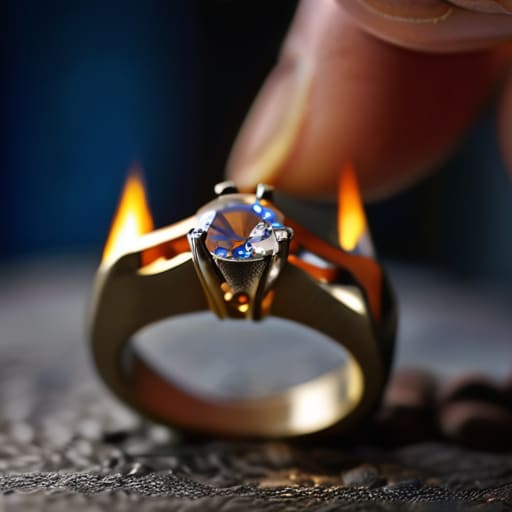
To understand why this is a delicate operation, you have to look past the sparkle and focus on the metal. A ring isn’t just a band; it’s a structural system holding a pressurized object in place. When we talk about the impact of resizing on gemstone settings, we aren’t just talking about the band getting wider or narrower. We are talking about the physical stress placed on the prongs or the bezel. If you’re working with a high-karat gold, it’s relatively forgiving because it’s soft. But if you have a platinum band or something with a high alloy content, the metal behaves differently under the torch.
Most people ask me, “can you resize an engagement ring with a diamond without losing the stone? The answer is usually yes, but the method matters. There are different ring shank resizing methods, like cutting a piece out and soldering it back together, or stretching the metal. My concern is always the thermal shock. Heat travels through the metal, and if that heat reaches the stone, it can cause internal fractures. It’s not magic; it’s just thermodynamics. You need a steady hand and someone who understands how heat moves through a specific alloy.
Understanding the Hidden Jewelry Resizing Risks You Cannot Ignore
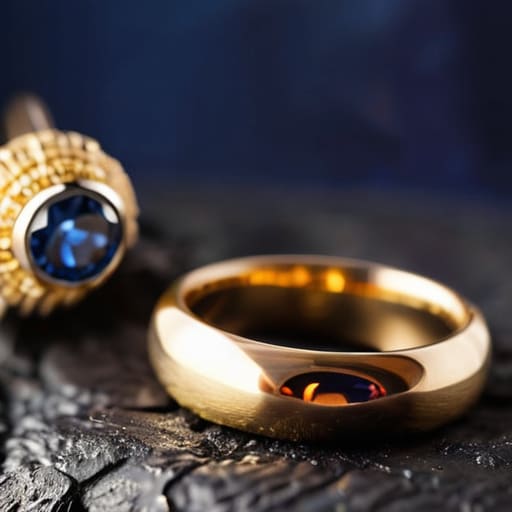
When you bring a piece to a bench, you aren’t just changing a measurement; you are applying heat and physical force to a structure that was originally balanced. The biggest of the jewelry resizing risks involves the tension held within the prongs. If a jeweler uses a torch to soften the metal of the shank, that heat travels. If they aren’t careful, it can migrate straight into the stone. I’ve seen sapphires with a deep, ocean-wet navy hue develop tiny fractures simply because the temperature spiked too fast during the process.
Then there is the physical reality of the metal itself. Depending on the ring shank resizing methods used—whether they are cutting out a small piece of metal or stretching the band—the geometry of the setting changes. If the setting is pulled too thin, the prongs lose their grip. This is the primary impact of resizing on gemstone settings; the “seat” where the stone rests can become shallow or unstable. You might walk out of the shop feeling like you’ve solved a problem, only to realize a week later that your stone is sitting precariously high, waiting for a bump to send it skittering across the floor.
Can You Resize an Engagement Ring With a Diamond Without Damage
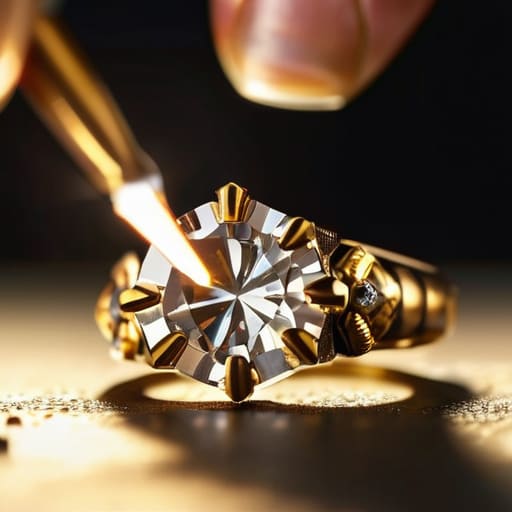
The short answer is yes, you can, but it isn’t as simple as just stretching the metal. When I’m looking at a diamond under my loupe, I’m not just looking at the carbon structure; I’m looking at how those prongs are gripping the stone. If a jeweler uses certain ring shank resizing methods—like cutting the band and soldering it back together—the vibration and heat from the torch can be a problem. If the diamond isn’t seated perfectly, that sudden thermal shock or the physical pressure of the metal moving can cause a microscopic fracture or, worse, loosen the setting entirely.
You have to consider the impact of resizing on gemstone settings before you commit. A diamond is incredibly hard, but it’s also brittle. If the ring is being sized down significantly, the pressure on the stones can be intense. I always tell people that the cost of resizing rings with stones might be slightly higher because a competent professional will take the time to reset or check the prongs afterward. You aren’t just paying for the metalwork; you’re paying for the peace of mind that your stone won’t end up at the bottom of a jewelry tray.
The Real Impact of Resizing on Gemstone Settings and Integrity
When a jeweler works on a ring, they aren’t just bending metal; they are applying heat and pressure to a structure that is holding something precious in place. The primary concern isn’t just the band, but the impact of resizing on gemstone settings. If a technician uses a torch to soften the metal, that heat travels. For a diamond, it’s usually fine, but if you have an opal or a turquoise—stones that can look like milky sea glass when they are healthy but turn brittle when stressed—that sudden thermal shock can cause internal fractures. Even a well-meaning person can accidentally turn a vibrant stone into a cracked mess if they don’t manage the temperature.
Beyond the heat, there is the physical movement. When using various ring shank resizing methods, such as cutting the band and soldering it back together, the entire geometry of the ring shifts. This movement can cause the prongs to loosen or, worse, tilt. I’ve seen stones that looked perfectly secure under a loupe suddenly sit crooked because the metal was stretched too aggressively. It’s why I always tell people that the structural integrity of the setting is just as important as the quality of the stone itself.
Common Ring Shank Resizing Methods and How They Actually Work
When you walk into a shop for professional jeweler ring resizing services, they usually won’t just “stretch” the metal. There are two main ways this actually happens. The first is adding material, often called a “solder addition.” The jeweler cuts the shank, pulls it apart, and inserts a small piece of matching metal to bridge the gap. It’s a bit like adding a new link to a chain. This is generally the safest way to go if you are worried about the impact of resizing on gemstone settings, as it doesn’t put the entire structure under constant tension.
The second method is cutting and welding. The jeweler removes a tiny section of the band entirely and joins the two ends back together. This is common for gold or platinum, but it requires a steady hand and a high-heat torch. If the stone is a softer variety—think something like an opal that looks like a milky puddle after a rainstorm—the heat from this process is a real concern. Because of these technical nuances, the cost of resizing rings with stones is almost always higher than a plain wedding band; you aren’t just paying for the metal, you’re paying for the person holding their breath while they work.
Why Professional Jeweler Ring Resizing Services Are Worth the Investment
I’ve spent enough hours under a microscope to know that what looks like a simple adjustment to the naked eye is actually a high-stakes game of heat and pressure. When you look at the cost of resizing rings with stones, you aren’t just paying for a bit of metalwork; you are paying for someone who understands how thermal shock can shatter a gemstone or how a clumsy torch can ruin a delicate setting. A hobbyist might get the size right, but they might also leave you with a stone that feels loose or, worse, a hairline fracture that only becomes visible once you’re home.
Choosing professional jeweler ring resizing services is about mitigating those invisible variables. A real expert knows which ring shank resizing methods are appropriate for your specific alloy and how to manage the temperature so the metal moves without stressing the gem. They have the tools to check the integrity of the prongs afterward, ensuring the stone isn’t just sitting there by luck. It is much cheaper to pay for a professional’s expertise upfront than it is to pay for a replacement stone once a botched job goes wrong.
Calculating the True Cost of Resizing Rings With Stones
When you ask a jeweler for a quote, they’ll likely give you a flat fee for the labor, but that’s rarely the whole story. The real cost of resizing rings with stones isn’t just the bench fee; it’s the hidden math of risk versus reward. If you have a simple gold band, it’s straightforward. But if you are asking, “can you resize an engagement ring with a diamond?” while that stone is held by delicate, vintage prongs, the price should reflect the extra care required. You aren’t just paying for metalwork; you are paying for the jeweler’s steady hands and their ability to ensure the stone doesn’t end up on the floor.
I always tell people to look at the total picture. A cheap quick-fix might save you fifty euros today, but if it compromises the structural integrity of the setting, you’ll be paying much more later to replace a lost gem. High-quality professional jeweler ring resizing services might seem steep upfront, but they include the insurance of expertise. They are accounting for the time it takes to inspect the stone, the specialized tools needed for specific ring shank resizing methods, and the peace of mind that comes with knowing the job was done right.
The Reality of the Metal and the Stone
A ring isn’t just a piece of jewelry; it’s a mechanical structure holding a piece of the earth in place. When you resize it, you’re asking the metal to move, and that movement sends vibrations right through the setting. You can tell me the stone has ‘energy,’ but what I care about is whether that energy is going to cause a fracture in the prongs when the gold shifts.
Dagny Solheim
Final Thoughts Before You Head to the Bench
At the end of the day, resizing a ring with a stone in it is a balance between metallurgy and physics. You’ve looked at how the metal reacts to heat, why certain stones—especially those with inclusions or lower hardness—might struggle with the stress of a shank being stretched or cut, and why cutting corners on the jeweler you choose is a gamble you rarely win. Whether you are dealing with a high-carat diamond or a delicate sapphire that looks like a piece of the deep Atlantic after a storm, the goal is the same: maintaining the structural integrity of the setting. Don’t let a cheap fix turn a precious heirloom into a pile of loose stones. Do the math on the risk versus the cost, and always prioritize the stone’s safety over a quick discount.
I know that these pieces of jewelry often carry more than just mineral weight; they carry memories, promises, and histories that can’t be replaced by a new casting. If a ring doesn’t fit, it feels like a barrier between you and what that stone represents. My advice is to treat the resizing process with the same respect you give the gem itself. Once you’ve ensured the metal is sound and the setting is secure, the ring is no longer a source of anxiety—it’s just a beautiful piece of geology that fits your life. Wear it with confidence, knowing that the science behind the setting is as solid as the stone you love.
