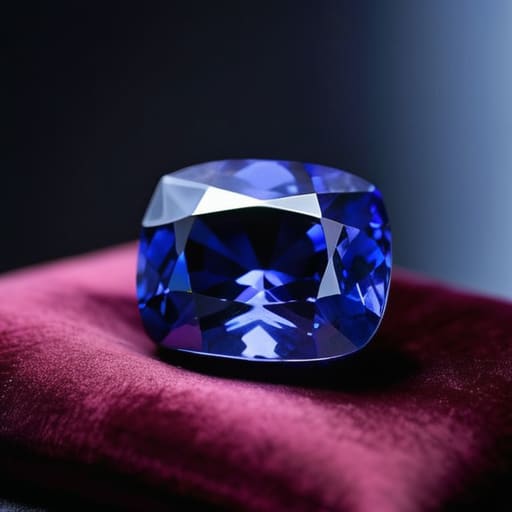
I spent six years in a windowless grading lab, hunched over a microscope until my neck ached, looking at nothing but inclusions and light refraction. I’ve seen enough people get swept up in the marketing fluff of “perfectly geometric” stones to know that perfection is usually a lie sold at a premium. People often get obsessed with rigid, modern cuts, but they miss the soul of the stone. When you look at cushion cut sapphires and why the shape suits them, you aren’t looking for a mathematical miracle; you’re looking for a way to let that corundum actually breathe. A sapphire isn’t a piece of glass, and treating it like a sterile, laser-cut diamond is a waste of its history.
I’m not here to sell you on “energy” or tell you a stone will change your life, but I will tell you exactly how a cushion cut interacts with the natural color of a sapphire. I’ll explain the mineralogy behind the light return and show you how to spot a poorly cut stone that’s hiding too many inclusions in its corners. Once you understand the physics of the shape, you can decide if you want a ring or a talisman—that part is entirely up to you.
What the Stone Is Understanding Cushion Cut Sapphires and Why the Shape Sui
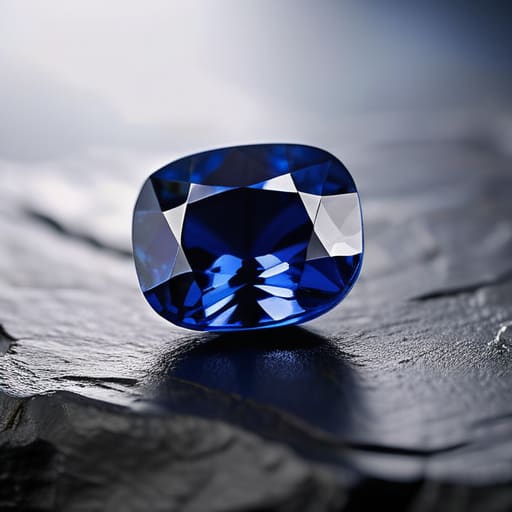
To understand why this shape works, you first have to look at what a sapphire actually is: corundum. It’s a hard, dense mineral, ranking a nine on the Mohs scale, which means it can handle a bit of life. When we talk about the brilliance of cushion cut stones, we aren’t talking about the mathematical, laser-precise flash you get from a modern round brilliant. Instead, the cushion cut uses a specific arrangement of facet patterns that allows the light to dance a bit more lazily. It’s a softer kind of glow, more like the way sunlight hits the North Sea on a choppy afternoon—not a single piercing beam, but a scattered, shimmering light.
Because the corners are rounded rather than sharp, the stone manages its internal reflections differently than a standard round cut. This is vital for preserving sapphire color saturation. If you take a deep, velvety blue stone and cut it with too many aggressive facets, you risk “windowing”—where light passes straight through the center, leaving a dead, colorless spot. The cushion shape helps keep that color concentrated, cradling the hue within the stone’s body. It respects the mineral’s natural depth.
The Dance of Light Decoding Sapphire Facet Patterns and Gemstone Light Refl
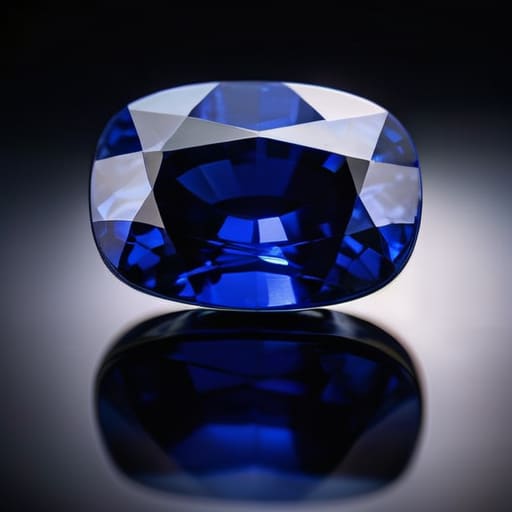
When I look through a loupe at a cushion cut, I’m not just looking for inclusions; I’m watching how the light moves through the pavilion. Unlike the clinical, mathematical precision of a round brilliant, which is designed to bounce light straight back at you with aggressive efficiency, the cushion cut has a softer, more rhythmic movement. The sapphire facet patterns here are less about a singular flash and more about a series of undulating reflections. It’s a slower dance. Because the corners are rounded, the light doesn’t hit a hard edge and shatter; it rolls through the stone, often emphasizing the sapphire color saturation in a way that feels deep and liquid, like the sea just before a storm.
This creates a specific kind of glow that you simply won’t find in a standard round cut. While a round stone focuses on pure brilliance, the cushion cut prioritizes a sense of volume and depth. You get these pockets of light that seem to hold the color within the stone rather than just reflecting it off the surface. It’s this interplay that gives them those lovely vintage gemstone aesthetics—a look that feels established and soulful rather than manufactured.
Deep Waters How This Shape Enhances True Sapphire Color Saturation
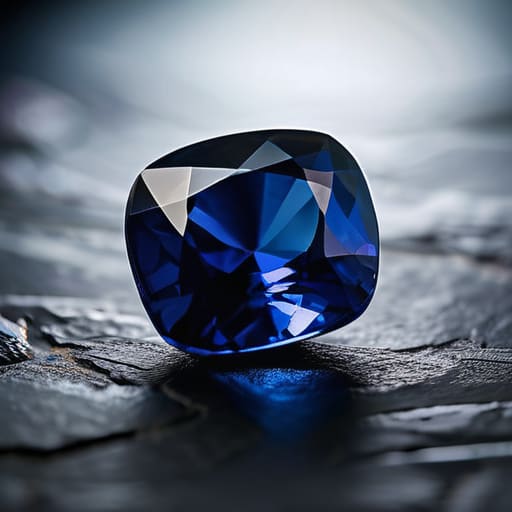
When I look through a loupe at a sapphire, I’m not just looking for inclusions; I’m looking for how the light behaves. Because sapphires are corundum, they have a high refractive index, meaning they handle light with a certain intensity. A cushion cut works with this physics rather than fighting it. While a round cut sapphire is designed to bounce light back to your eye with maximum fire, it can sometimes “leak” color if the facets aren’t perfect. The cushion cut, with its slightly larger, softer facets, allows the light to linger longer within the stone. This creates a sense of depth that reminds me of the North Sea on a cloudy day—that deep, heavy blue that seems to go on forever.
This specific geometry is what allows for such incredible sapphire color saturation. Instead of the light zipping straight through, the cushion shape traps it, swirling the hue around the interior of the stone. You get a richness that feels more substantial than a standard brilliant cut. It’s less about a frantic sparkle and more about a steady, glowing presence. If you are looking for that vintage gemstone aesthetic that feels weighted and soulful, this is how the shape achieves it.
The Radiance Factor Why the Brilliance of Cushion Cut Stones Is Unmatched
When you hold a cushion cut stone up to the light, you aren’t just looking at a pretty object; you are watching a specific kind of physics at work. Unlike the precise, mathematical sharpness of a modern brilliant cut, the cushion shape allows for a softer, more rhythmic interplay of light. The brilliance of cushion cut stones comes from those slightly rounded corners and larger facets, which catch the light in a way that feels more organic. It doesn’t just flash at you; it glows from within, much like the way sunlight hits a shallow tide pool at noon.
If you compare a cushion vs round cut sapphire, the difference in character is immediate. A round cut is designed for maximum, predictable sparkle, but the cushion cut embraces a certain romantic diffusion. It trades some of that aggressive “fire” for a deeper, more soulful radiance. This is why you see such frequent use of this shape in vintage gemstone aesthetics; it has a weight and a presence that feels less like a machine-made trinket and more like something unearthed. It’s a way of letting the stone breathe.
Old Souls Embracing the Charm of Vintage Gemstone Aesthetics
There is a specific kind of magic in stones that look like they’ve survived a century. When I look at an antique-style cushion cut, I’m not looking for the surgical, robotic precision of a modern machine. I’m looking for something that feels lived-in. These older cuts often prioritize sapphire color saturation over sheer, blinding sparkle. Because the facets aren’t always perfectly symmetrical, the light doesn’t just bounce off the surface; it seems to pool inside the stone, much like the way a tide pool holds its color after the waves have retreated.
Choosing this look over a standard cushion vs round cut sapphire is really a choice of temperament. A round cut is a bright, energetic shout, but a vintage-inspired cushion is a steady, rhythmic hum. It leans into those vintage gemstone aesthetics that favor depth and character over a high-octane flash. You might see more visible inclusions or slightly irregular facet patterns, but to me, those aren’t flaws. They are the fingerprints of the stone’s history, giving it a soul that a perfectly sterile, modern cut sometimes lacks.
The Practical Truth Cushion vs Round Cut Sapphire and Their Differences
When you’re standing at a jeweler’s counter, the choice usually boils down to a simple tug-of-war: the precision of a round cut versus the soul of a cushion. A round brilliant sapphire is engineered for maximum light return; it’s a mathematical machine designed to throw white light back at your eyes. It’s bright, predictable, and sharp. But if you look at a cushion vs round cut sapphire side-by-side, you’ll notice the round stone can sometimes feel a bit clinical. It hits a certain level of brilliance, but it often sacrifices the depth of the stone to get there.
The cushion cut, by contrast, plays a different game. Because the facets are larger and the corners are softened, the light doesn’t just bounce off the surface; it lingers. This allows for much better sapphire color saturation, especially in those deep, velvety blues that look like the North Sea just before a storm. You also have to consider the practical side of things. While round stones are incredibly hardy, the durability of cushion shaped gems is something to keep in mind—those slightly more exposed corners can be vulnerable if you’re wearing your ring through a rough day of work.
Built to Endure Assessing the Real Durability of Cushion Shaped Gems
When I was working in the lab, I spent a lot of time looking at how different cuts handled the daily indignities of being worn. People often worry that because a cushion cut has those softer, rounded corners, it might be more prone to chipping than a standard round brilliant. In reality, the durability of cushion shaped gems is quite high, provided the pavilion is cut with enough depth. A sapphire is a corundum—it’s a 9 on the Mohs scale, which means it’s incredibly tough. The cushion shape actually works in its favor here; by rounding off those sharp, vulnerable points you see in a princess cut, the stone becomes much more resilient to the knocks and scrapes of everyday life.
However, you have to watch the “windowing.” If a cutter gets too aggressive trying to maximize the brilliance of cushion cut stones, they might thin out the bottom too much. A stone that is too shallow loses its structural integrity and its ability to hold that deep, saturated color we love. When comparing a cushion vs round cut sapphire, the cushion is often the sturdier choice for a ring that’s meant to be lived in, as long as the proportions are honest.
The Geometry of Depth
A cushion cut doesn’t try to fight a sapphire’s natural depth with aggressive, modern precision; instead, it uses those soft, rounded corners to cradle the color, letting the light pool in the center like seawater caught in a tide pool.
Dagny Solheim
Finding Your Own Light
When you strip away the marketing fluff, a cushion cut sapphire is really just a clever marriage of geometry and geology. We’ve looked at how the soft, rounded edges protect the stone’s structural integrity, how the facet patterns play with light to prevent that “dead” look you see in poor cuts, and why this specific shape is so good at holding onto the deep, ocean-blue saturation that makes sapphires famous. It isn’t about finding a stone that looks perfect under a laboratory microscope; it’s about understanding that the cushion cut is designed to work with the mineral’s natural character, rather than fighting against it. Whether you are looking for a vintage heirloom or a durable daily wearer, the technical reality is that this shape honors the sapphire’s depth.
At the end of the day, my job is to tell you about the corundum and the way the light hits the pavilion. What happens once that stone is set in a ring and leaves my desk is entirely up to you. Maybe you see a piece of history, or maybe you just see a beautiful bit of blue that reminds you of the North Sea on a clear morning. There is no wrong way to connect with a gemstone, as long as you know exactly what you are holding. Choose a stone that speaks to you, trust your eyes, and enjoy the weight of it.
