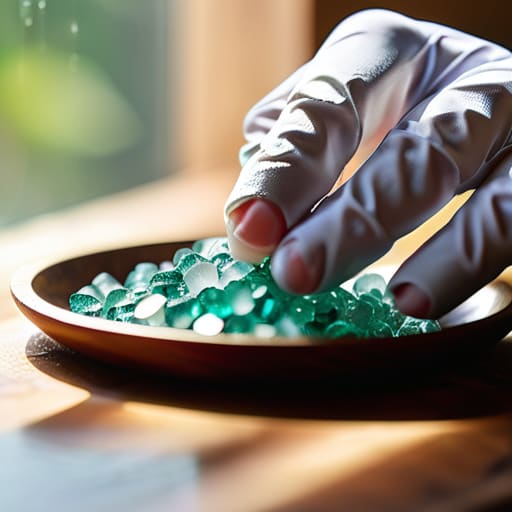
I spent six years in a grading lab where the only thing more common than inclusions was people trying to “revive” their jewelry with harsh chemicals they found under the kitchen sink. I’ve seen enough cracked opals and etched emeralds to know that most advice online is either way too expensive or dangerously reckless. You don’t need a specialized ultrasonic machine or a proprietary “gem-shine” solution to get the dirt out of your settings. When it comes to cleaning gemstones at home without damaging them, the biggest mistake people make is treating every stone like it’s a diamond, when in reality, many are much more fragile than they look.
I’m not here to sell you a ritual or a magic cleaning kit. My goal is to tell you exactly what your stone is made of—whether it’s a silicate, a carbonate, or something more complex—and how its specific chemistry reacts to water and soap. I’ll give you the practical, no-nonsense steps for cleaning gemstones at home without damaging them based on actual mineralogy. Once you understand the hardness and the structure of what you’re holding, how you choose to care for it is entirely up to you.
Understanding Cleaning Gemstones at Home Without Damaging Them
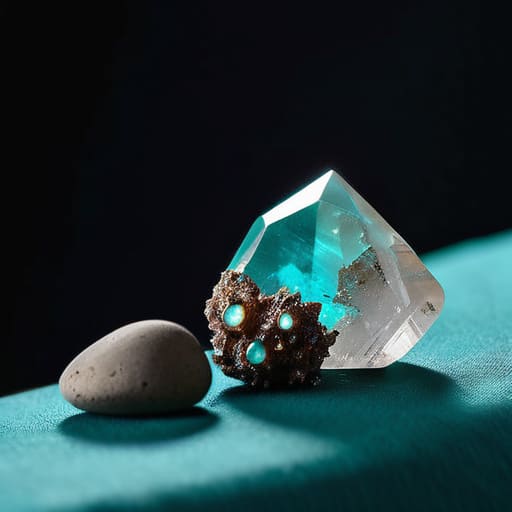
Before you grab the dish soap, you need to look at what you’re actually holding. In the lab, we categorize stones by how they react to the world, and that applies to cleaning, too. There is a massive difference between cleaning porous vs non-porous stones. If you have an opaque turquoise or an opal—stones that feel almost like they’ve soaked up the sea air—they can drink in liquids. If you soak them in something aggressive, you aren’t just cleaning them; you’re changing their chemistry. I’ve seen stones lose their saturation because someone treated a thirsty mineral like a piece of glass.
For most hard, closed-structure gems like sapphires or quartz, a simple soft cloth gemstone cleaning method is your best bet for maintaining luster. You want to avoid the temptation of the high-tech stuff. While those little machines look efficient, the ultrasonic cleaner risks for gemstones are real; the high-frequency vibrations can shatter stones with internal inclusions or shake a loose setting right off the band. Stick to the basics. If the stone is solid, gentle friction is usually all it needs to find its light again.
Key Things to Know
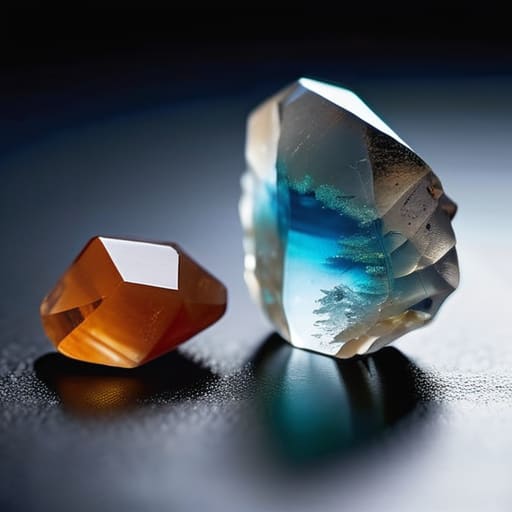
Before you grab the soap, you need to know what you’re actually holding. In my years in the lab, I’ve seen plenty of people ruin a perfectly good specimen because they treated an emerald like a piece of quartz. The biggest divide is cleaning porous vs non-porous stones. If a stone has tiny microscopic channels—think of an opal or a turquoise—it can soak up whatever you throw at it. If you use a harsh detergent, you aren’t just cleaning the surface; you’re essentially staining the stone from the inside out.
You also need to be wary of the “quick fix” machines. While an ultrasonic cleaner is great for a gold wedding band, the high-frequency vibrations can actually shatter stones with internal inclusions or loosen the settings on delicate pieces. For most of what you’ll be handling, a soft cloth gemstone cleaning method is much safer. It’s slow, but it respects the mineral. I always tell my clients that if you wouldn’t want to soak your favorite sweater in it, don’t soak your stones in it either.
Practical Tips and Steps
Start with the basics: a bowl of lukewarm water and a few drops of mild, fragrance-free dish soap. This is the safest cleaning solution for precious gems like sapphires or emeralds. Dip a very soft brush into the mixture and work it into the crevices where skin oils and lotions tend to build up. If you’re working with something like a diamond or a zircon, this simple method is usually enough for maintaining gemstone luster at home without any drama.
However, you have to be careful about what you’re actually holding. I always tell people to start by cleaning porous vs non-porous stones differently. If you have an opal or a turquoise, skip the soak entirely; those stones are thirsty and can change colour or crack if they absorb too much liquid. For those, a damp, soft cloth is your best friend.
Finally, leave the high-tech gadgets in the shop. While they look efficient, the ultrasonic cleaner risks for gemstones are real, especially if there are any tiny, invisible fractures in the crystal structure. A little vibration can turn a beautiful stone into a pile of shards.
Common Mistakes to Avoid
The biggest mistake I see is the assumption that “more intense” equals “cleaner.” People grab a toothbrush and some heavy-duty kitchen degreaser, thinking they’re doing their jewelry a favor. If you are avoiding harsh chemicals on jewelry, you have to remember that some stones are essentially just tightly packed molecules held together by hope and a little bit of luck. If you take a scrub brush to a soft stone like an opal or a turquoise, you aren’t just removing dirt; you’re potentially micro-scratching the surface or stripping away the natural moisture that gives the stone its life.
I also see a lot of people reach for those little ultrasonic machines they keep in the bathroom. While they work fine for a solid diamond solitaire, the ultrasonic cleaner risks for gemstones are massive if you aren’t careful. If your stone has any internal fractures—which most natural gems do—those high-frequency vibrations can act like a tiny jackhammer, widening those cracks until the stone literally falls apart in the tank. It’s much better to stick to a simple, soft cloth gemstone cleaning method. It’s slower, sure, but it won’t leave you holding a handful of expensive gravel.
Final Thoughts
At the end of the day, a stone is just a piece of the earth that has been shaped by heat, pressure, or time. Whether you’ve inherited a sapphire or found a piece of quartz on a beach, the goal is simply to respect its structure. I’ve seen far too many people ruin a perfectly good piece because they treated a delicate emerald like a piece of kitchenware. Most of the time, maintaining gemstone luster at home doesn’t require a laboratory; it just requires a bit of patience and a soft touch.
If you follow the logic of the mineral itself—knowing whether you are cleaning porous vs non-porous stones—you’ve already won half the battle. Avoid the temptation to throw everything into a high-frequency machine; those ultrasonic cleaner risks are real, especially for stones with inclusions or fractures. Stick to the basics: mild soap, lukewarm water, and a gentle hand. Once you understand the chemistry of what you’re holding, you can stop worrying about the “magic” and just enjoy the way the light hits the facets.
A Note on Care
A gemstone isn’t a piece of plastic; it has a chemical makeup and a crystal structure that can react poorly to the wrong soap or a sudden temperature shift. I’ll tell you how to strip away the grime without attacking the mineral itself, because once you understand the hardness of the stone, you’ll stop worrying about the cleaning and start enjoying the light again.
Dagny Solheim
A Final Look at Your Stones
At the end of the day, cleaning your jewelry isn’t about following a rigid laboratory protocol; it’s about knowing the difference between a hard silicate like a sapphire and something more temperamental like an opal. If you remember to check the Mohs scale, skip the harsh ultrasonic cleaners for anything with inclusions, and stick to mild, pH-neutral soap, you’ve already done more than most. You don’t need expensive specialized kits to keep things bright. Just treat the mineral with the respect its chemistry deserves, and you won’t find yourself staring at a clouded or cracked stone that used to be a vibrant, clear treasure.
I know people buy these stones for all sorts of reasons—some for the investment, some for the way the light hits them, and others because they feel a certain pull toward a specific piece. Whatever your reason is, the stone itself remains a physical reality: a specific arrangement of atoms that has survived millions of years of geological pressure. When you clean it, you aren’t just tidying up a piece of jewelry; you are tending to a tiny piece of Earth’s history that you’ve chosen to hold in your hand. Take care of the chemistry, and the beauty will take care of itself.
