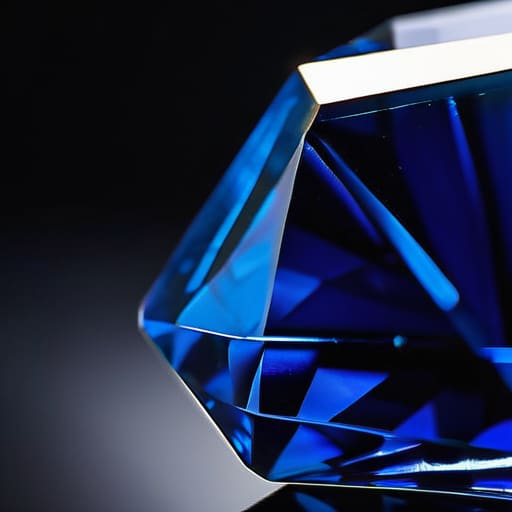
I spent six years hunched over a microscope in a grading lab, and if there is one thing that gets under my skin, it’s the way the jewelry industry tries to gatekeep certain shapes. You’ll see marketing copy claiming that a specific, elegant silhouette is “reserved” for high-end beryl, but that is absolute nonsense. The truth is that an emerald cut used on stones other than emerald is actually one of the most practical ways to showcase a stone’s clarity, whether you’re looking at a sapphire or a quartz. I’ve seen people pay a massive premium just for a name, when the real beauty lies in how the light hits those long, stepped facets.
I’m not here to sell you on some mystical energy or a designer’s overpriced dream. My goal is to tell you exactly what you’re looking at: the mineral composition, the way the light behaves in those rectangular windows, and how to tell a genuine gem from a piece of glass. I’ll show you which stones actually hold their color in this cut and which ones just look muddy. Once you know the science, what you choose to do with the stone—whether it’s an heirloom or just a lucky find from a shop—is entirely up to you.
Understanding Emerald Cut Used on Stones Other Than Emerald
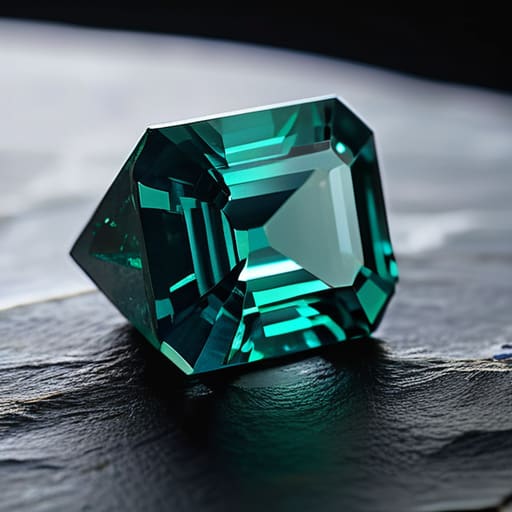
When you look at a stone with this shape, you aren’t looking for the “fire” or that frantic dancing of light you get from a round brilliant cut. Instead, the emerald cut relies on long, parallel facets that act like mirrors. This is the essence of step cut gemstone characteristics: the light doesn’t sparkle so much as it flows in rhythmic, rectangular sheets. It’s a much more architectural way to wear a stone. If you’re used to the chaotic glitter of a diamond, this might feel quiet, almost still, like the surface of a fjord on a windless morning.
Because of those open, flat facets, there is nowhere for a flaw to hide. This is why clarity requirements for step cuts are so much more demanding than they are for other shapes. If a stone has a heavy inclusion or a tiny crack, the emerald cut will act like a magnifying glass and show it to you plain as day. This is why you’ll see this cut used most often on stones that are naturally clean—things like aquamarine or high-quality sapphire—rather than stones that are crowded with internal “pepper” or clouds.
Key Things to Know
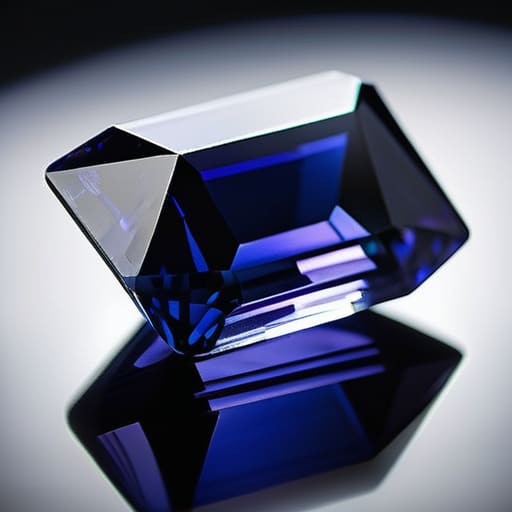
When you’re looking at a stone with this shape, the first thing you need to understand is that it doesn’t hide anything. Unlike a round brilliant cut, which uses a lot of facets to bounce light around and mask internal flaws, the emerald cut is a step cut. This means the facets are parallel, like a staircase, and they act like windows rather than mirrors. Because of this, the clarity requirements for step cuts are much higher. If there’s a heavy inclusion or a crack in the middle, you aren’t going to miss it; it’ll sit right there in the center of the stone, clear as day.
Because of those open windows, you also have to be picky about which minerals you choose. I usually tell people that the best gemstones for emerald cut are those with high transparency and a strong internal glow—think aquamarine, sapphire, or even high-quality quartz. If you pick a stone that’s too “sleepy” or cloudy, the light just gets lost in the steps. You want a stone that looks like a deep pool of water on a still day, not a handful of crushed ice.
Practical Tips and Steps
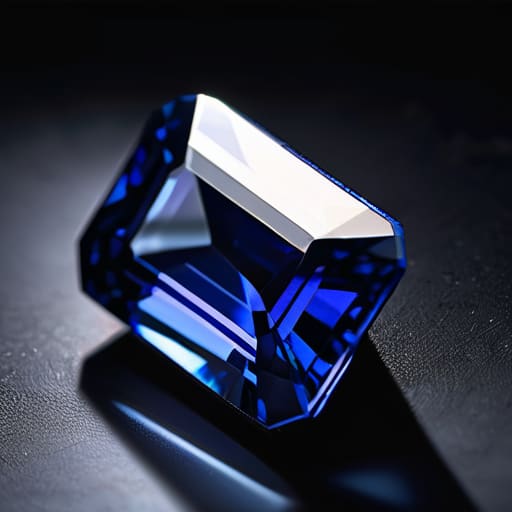
If you’re looking to buy a piece of jewelry featuring this style, start by looking at how the light moves through the stone. Because of the way the facets are arranged, the optical properties of rectangular cuts are very different from the “sparkle” you get with a round brilliant. Instead of a frantic dance of light, you’re looking for a calm, rhythmic flash. When I’m at the bench, I check if the light flows smoothly across those long, flat facets or if it gets trapped in awkward dark patches.
Next, pay close attention to the stone’s internal landscape. Since the facets are broad and open, they don’t hide much. This means the clarity requirements for step cuts are much higher than they would be for a stone with more “crushed” facets. If you are choosing a stone like aquamarine or even a high-quality topaz, look closely for any clouds or inclusions that might look like a smudge on a window. If the stone looks “dirty” under a loupe, the cut will only make that problem more obvious.
Common Mistakes to Avoid
The biggest mistake I see is people assuming that a fancy shape makes a stone “high quality.” Because the emerald cut has those long, parallel facets, it doesn’t hide much. If you’re looking at a stone with this shape, you can’t just rely on the sparkle to mask flaws. In fact, the clarity requirements for step cuts are much higher than they are for a standard round brilliant. In a brilliant cut, the light bounces around so much you might miss a tiny inclusion, but in a step cut, those little cracks or clouds sit right in the middle of the view like a smudge on a window.
Another slip-up is choosing a stone that is too soft for the cut. If you want that architectural, clean look, you need something with enough hardness to hold those sharp edges. If you pick something like fluorite, those crisp lines will start to look rounded and battered within a few months of daily wear. When you’re comparing an emerald cut vs brilliant cut, remember that the former is an exercise in honesty. It shows you exactly what the mineral is, flaws and all.
Final Thoughts
At the end of the day, whether you are looking at a sapphire or a quartz, the emerald cut is a choice of clarity over flash. It’s not about that frantic, dancing light you get with a round stone; it’s about seeing the architecture of the mineral itself. Because the facets are broad and flat, the clarity requirements for step cuts are much higher than other styles. If there’s a heavy inclusion trapped in the middle, the cut won’t hide it—it will frame it like a specimen in a display case.
I’ve spent enough hours under a loupe to know that some stones just “work” better with this geometry. If you’re choosing between an emerald cut vs brilliant cut, remember that the former demands a stone with a clean, honest interior. If the stone is murky, the cut will only highlight that dullness. But if you find a piece with that deep, sea-glass transparency, it’s a beautiful thing to own. Whether you keep it in a heavy gold setting or just carry it in your pocket, you’re holding a piece of geological history that’s been shaped to show off its true self.
The Truth About the Cut
An emerald cut is just a geometry of long facets and step-cuts designed to let light dance through a stone without losing its soul; whether you’re looking at a beryl or a sapphire, the cut doesn’t change the chemistry, it just changes how you see the history written inside the crystal.
Dagny Solheim
Wrapping It All Up
At the end of the day, choosing an emerald cut for something like a sapphire, a topaz, or even a quartz comes down to how much you value clarity and geometry. Just remember that because of those long, step-cut facets, the stone needs to be clean; if there’s a lot of internal “junk,” the cut will only highlight it. Keep an eye out for the refractive index and the hardness of the specific mineral you’re looking at, as that determines whether the stone will actually hold those sharp, crisp edges over time. Whether you are looking for the deep, sea-glass green of a peridot or the icy blue of an aquamarine, the cut is just the framework that lets the mineral’s true chemistry shine through.
I’ve spent more hours than I can count staring through a loupe, and I’ve learned that a stone doesn’t need a fancy name or a massive price tag to be remarkable. A well-cut labradorite or a sturdy garnet can be just as stunning as a high-end emerald if you appreciate the way the light hits the facets. Whether you’re buying a piece of jewelry to wear every day or just a small tumbled stone to keep in your pocket, trust your own eyes more than the sales pitch. Once you know what the stone is actually made of, the rest is just your own personal story.
