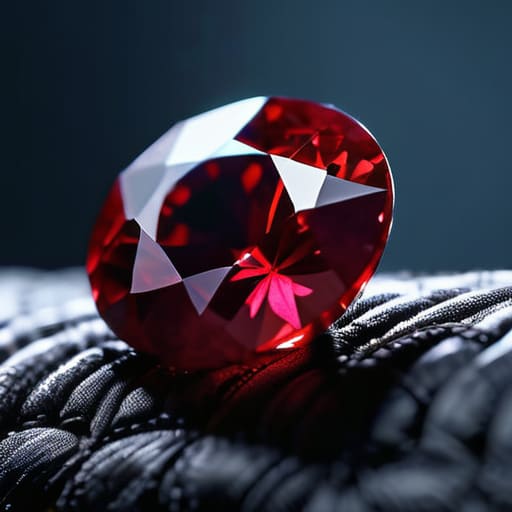
I spent six years hunched over a microscope in a grading lab, staring at stones until my eyes felt like they were full of sand. I remember one particular afternoon, looking at a ruby that had a color so unnaturally bright it looked like freshly spilled beet juice on a wet stone. The salesperson had called it “untreated,” but the inclusions told a different story of heat and pressure that the naked eye would never catch. It’s frustrating how the industry tries to bury the truth under layers of jargon, making you feel like you need a PhD just to understand ruby treatments and the questions to ask before buying.
I’m not here to sell you on some mystical energy or a “perfect” stone that doesn’t exist. My goal is to strip away the marketing fluff and tell you exactly what is happening inside that crystal lattice. I’ll walk you through the different ways these stones are altered and give you a practical list of what to actually ask the jeweler before you hand over your money. Whether you want a stone for its geological history or just because you love the way it catches the light, you deserve to know exactly what you are paying for.
What the Stone Is Understanding Ruby Treatments and the Questions to Ask Be
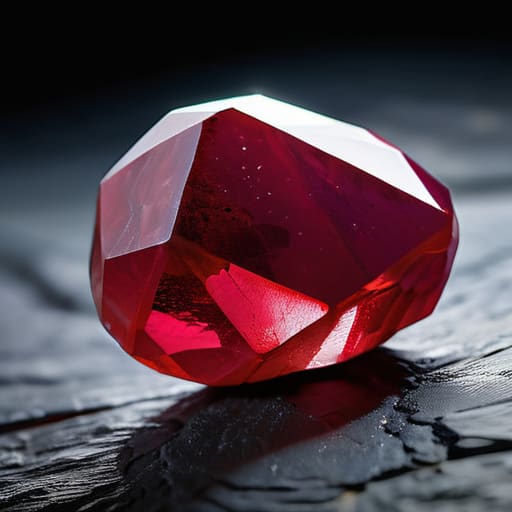
To understand what you’re looking at, you first have to accept that almost every ruby on the market has been touched by human hands. Most rubies come out of the ground looking like dull, brownish pebbles—the color of wet silt on a rainy Bergen afternoon. To get that vibrant, pigeon-blood red, we use heat. Comparing heat treatment vs unheated rubies is the most common conversation in my lab; heating is a standard practice that mimics the earth’s natural pressure to improve clarity and color, and it doesn’t inherently ruin the stone’s integrity.
However, the line gets blurry when we move from heat to “filling.” Some stones are infused with lead glass to plug up cracks, a process that can make a stone look stunningly clear but significantly lowers its long-term value. I’ve spent many hours performing glass filled ruby identification under a microscope, looking for those tell-tale bubbles that shouldn’t be there. There is also beryllium diffusion, a more technical method where elements are pushed into the crystal structure. It’s much harder to spot, but it’s a different beast entirely. Knowing which process was used is the difference between buying a piece of geology and buying a piece of engineering.
The Heat Divide Heat Treatment vs Unheated Rubies
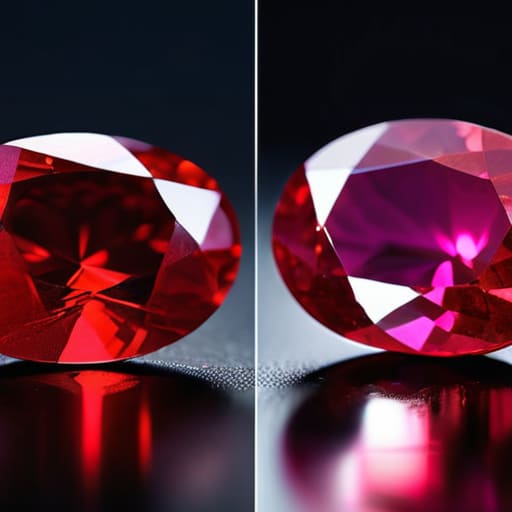
Most rubies you see in a shop window have been heated. It’s not a dirty secret, but it is a massive factor in what you pay. When we talk about heat treatment vs unheated rubies, we are really talking about how much the stone’s history has been “corrected.” Heating is a standard practice used to improve color or clear out tiny inclusions. It’s like a quick rinse for a stone that looks a bit dull. However, an unheated ruby is a different beast entirely. It’s a stone that has kept its original, raw character without any thermal intervention, which makes them significantly rarer and much more expensive.
The difference in gemstone value after treatment can be staggering. A heated ruby might look like a deep, saturated red—think of the color of a ripe cherry just pulled from the water—but an unheated stone often has a more complex, slightly uneven glow. If you are looking at a high-end piece, you shouldn’t just take the seller’s word for it. You need to see the paperwork. This is where the ruby gemstone certification importance comes in; a reputable lab report will explicitly state whether the stone is natural and unheated, or if it has undergone thermal enhancement.
Seeing Through the Veil Glass Filled Ruby Identification
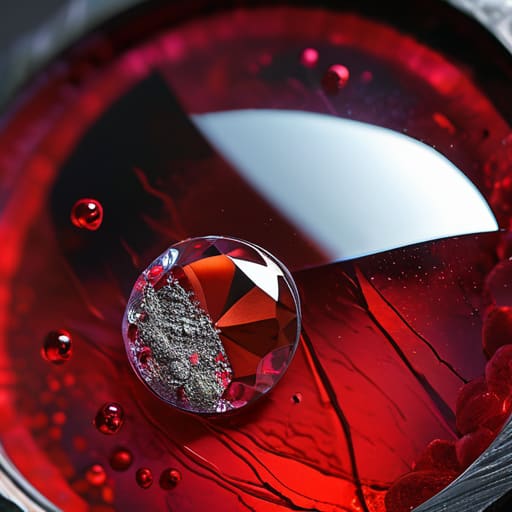
If heat treatment is a subtle nudge to a stone’s character, glass filling is a complete reconstruction. In these cases, the ruby has been cracked or porous, and a lead-based glass is melted into the fissures to mask the imperfections. Under a loupe, the difference is stark. While a heated stone might show tiny, natural silk patterns, a glass-filled stone looks like it’s trapped in a frozen, bubbly soup. You’ll see curved, sweeping lines of glass filling the cracks—it looks like the surface of a puddle after a rainstorm, just trapped inside the mineral.
This is where glass filled ruby identification becomes vital for your wallet. Because the glass is often dyed to match the red, these stones can look incredibly vibrant, almost unnaturally so. However, the gemstone value after treatment drops significantly when glass is involved, as the structural integrity is compromised. If you see large, smooth-looking bubbles or “veins” that look too perfect to be mineral, step back. I always tell people to look for the mechanical perfection of the flaw; nature is rarely that tidy with its cracks.
The Chemical Trace Detecting Beryllium Diffusion in Rubies
Then there is beryllium diffusion. This isn’t quite as “messy” as glass filling, but it is a very clever way to manipulate a stone’s appearance. In this process, a ruby is placed in a furnace with beryllium, which migrates into the crystal structure to shift the color. It’s a form of natural ruby color enhancement in a technical sense, because you aren’t adding a foreign substance like glass, but you are fundamentally altering the chemistry of the host. When I look at a stone that has undergone this, the color often looks too uniform—like a piece of polished sea glass that’s been sitting in a tide pool, perfectly saturated and strangely even.
Because this happens at a molecular level, it is incredibly difficult to catch with the naked eye. This is where the ruby gemstone certification importance becomes non-negotiable. You need a lab with high-end equipment, specifically looking for those trace chemical signatures that shouldn’t be there. If you are weighing the gemstone value after treatment, you need to know if you’re holding a stone that was born that way or one that was “corrected” in a lab. It’s a subtle distinction, but it changes everything about the stone’s history.
Beyond the Surface the Reality of Natural Ruby Color Enhancement
When we talk about natural ruby color enhancement, we aren’t always talking about something “fake” in the way glass filling is. Most rubies come out of the earth looking a bit tired—a color like a dried-out brick or a bruised plum. To get that vibrant, pigeon-blood glow, most stones undergo heating. This isn’t a trick; it’s a way to coax the color out of the mineral structure. However, the distinction between heat treatment vs unheated rubies is where the money lives. An unheated stone is a rarity, a snapshot of what the earth produced without any human interference, and it will almost always command a higher price.
The real danger is when the enhancement goes beyond a simple soak in heat and enters the realm of chemical modification. This is why I always tell people that gemstone value after treatment isn’t a single number, but a sliding scale. A heated ruby is a legitimate gemstone, but a ruby that has been chemically altered to mask flaws is a different story entirely. You need to know exactly which line was crossed before you open your wallet.
The Paperwork Truth Ruby Gemstone Certification Importance
When you’re looking at a stone that looks like a drop of sunset, you eventually reach the point where you stop looking through the loupe and start looking at the paper. This is where the ruby gemstone certification importance actually hits home. A certificate from a reputable lab isn’t just a piece of fancy stationery; it is a technical map of what has happened to that crystal since it left the earth. Without a report from a recognized institution, you are essentially just taking a salesperson’s word for it, and in my experience, that is a risky way to spend your money.
A good report will explicitly state the treatment history, which is the only way to truly understand the gemstone value after treatment. There is a massive price gap between a stone that has undergone natural ruby color enhancement and one that has been heavily manipulated. If the paperwork is vague or comes from a lab you’ve never heard of, treat it with the same skepticism I use when I see a “miracle” crystal on a street corner. You want a document that tells you exactly what the mineral is, and more importantly, what has been done to it.
The Bottom Line Determining Gemstone Value After Treatment
At the end of the day, there isn’t a single “correct” way to buy a ruby, only the way that makes sense for your wallet and your intent. If you are looking for an investment piece to pass down through generations, you’ll likely find yourself chasing the premium of heat treatment vs unheated rubies. The price jump for a stone that hasn’t been touched by a furnace is massive, but that’s because the rarity is baked into its very structure. However, if you just want a ring that catches the light like a wet pomegranate, a treated stone can be a perfectly sensible way to get that color without the eye-watering cost.
The real key to navigating gemstone value after treatment is transparency. You shouldn’t feel cheated by a heated stone, but you should feel cheated if the seller didn’t tell you it was heated. This is why I always look for a clear report; knowing exactly what has been done to the mineral allows you to decide if the price matches the reality. Once you know the history of the stone, the decision of whether to wear it or tuck it away in a velvet box is entirely yours.
## The Reality of the Stone
A ruby isn’t a magic talisman; it’s a piece of corundum that’s survived millions of years of geological pressure. When you buy one, you aren’t just buying a color that looks like a wet sunset; you’re buying a history of what humans have done to that color to make it shine. I’ll tell you if it’s been baked in a furnace or soaked in chemicals, but once you know the truth, the choice to wear it is yours.
Dagny Solheim
Final Thoughts Before You Buy
At the end of the day, buying a ruby shouldn’t feel like you’re being interrogated by a detective, but you do need to know what you’re holding. We’ve looked at everything from the standard heat treatments that most people accept, to the much more aggressive glass fillings and beryllium diffusion that can change a stone’s fundamental identity. Remember to ask for the paperwork, look closely at how the color behaves under a loupe, and never feel pressured into a purchase if the seller won’t be straight about the treatments. Knowing whether a stone is unheated or has been chemically altered isn’t just about the price tag; it’s about knowing the actual composition of the mineral you are bringing home.
Once you have the facts, the heavy lifting is done. Whether you are investing in a high-grade, unheated specimen or you’ve found a beautiful, heat-treated stone that fits your budget and catches your eye, that is your decision to make. A ruby is a piece of Earth’s history—a bit of corundum that survived millions of years of pressure and heat just to end up in your hand. If it looks like a deep, blood-red pool of water and it makes you happy, then it has done its job. Buy with your eyes open, but once you’ve made your choice, wear it with confidence.
