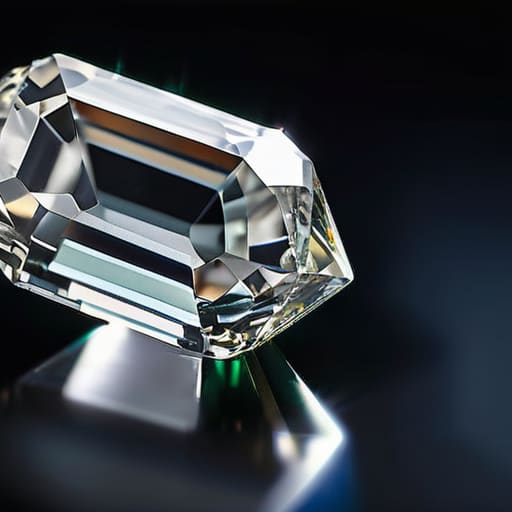
I spent six years hunched over a microscope in a grading lab, staring at stones until my eyes felt like they’d been scrubbed with sand. One thing I learned quickly is that the jewelry industry loves to make things sound much more complicated than they actually are just to justify a higher price tag. You’ll hear people wax poetic about “mathematical perfection,” but when you are actually looking at a stone, the length to width ratio in an emerald cut isn’t some mystical equation you need a degree to solve. It’s just about how the shape sits on your finger and whether it looks like a balanced step-cut or a stretched-out sliver of glass.
I’m not here to sell you on a “perfect” number that exists only in a textbook. My goal is to show you how to look at these proportions for yourself, so you can spot a stone that looks elegant and substantial versus one that looks awkward or squat. I’ll give you the actual ranges to look for and tell you what to watch out for when you’re staring at a loupe. Once you understand the geometry, what you choose to buy is entirely up to you.
Understanding Length to Width Ratio in an Emerald Cut
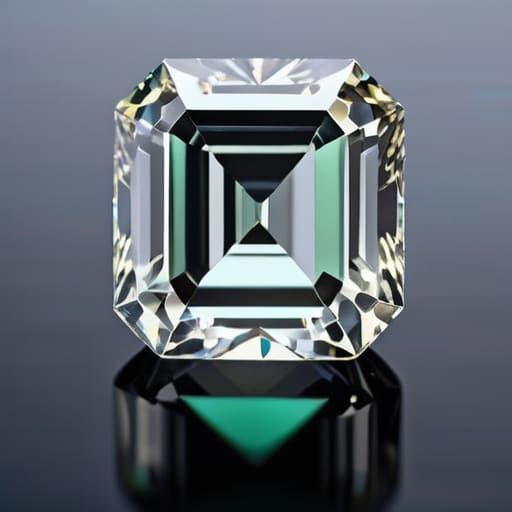
When you hold an emerald cut stone up to the light, you aren’t just looking at a piece of mineral; you’re looking at a geometry problem. The ratio is essentially just the math of how much longer the stone is than it is wide. If you are looking at an emerald cut aspect ratio guide, you’ll see most people aim for something between 1.30 and 1.50. Anything lower starts to feel like a chunky, stout rectangle, while anything higher can look like a thin, stretched-out sliver of ice.
I tend to think of it in terms of how the light travels through those stepped facets. A stone with a more balanced ideal gemstone shape proportions feels steady and calm, like a deep pool of water. If the ratio is too extreme, the stone can lose its sense of weight and start looking skittish. Whether you prefer a more traditional rectangular vs square emerald cut look depends entirely on your hand or your setting, but the math dictates how much “presence” that stone actually has when it hits the light.
Key Things to Know
When you’re looking at a stone through a loupe, you start to realize that math and beauty aren’t always the same thing. Most people looking for an emerald cut aspect ratio guide are searching for a specific number, usually somewhere between 1.30 and 1.50. If the stone is too shallow, it looks squat and lacks presence; if it’s too long, it starts to look like a narrow sliver of ice. I’ve seen plenty of stones that technically hit the “ideal” marks but still feel off to the eye because the geometry doesn’t sit right with the setting.
You also have to decide if you are leaning toward a rectangular vs square emerald cut. A more square-ish proportion feels stable and traditional, almost like a heavy block of salt, whereas a longer ratio gives the gem a more elegant, elongated silhouette. There isn’t a wrong answer here, but you should know that the more elongated the stone, the more it will play with the light in a linear way. Once you understand how these proportions change the way the stone sits on your hand, the choice becomes much easier.
Practical Tips and Steps
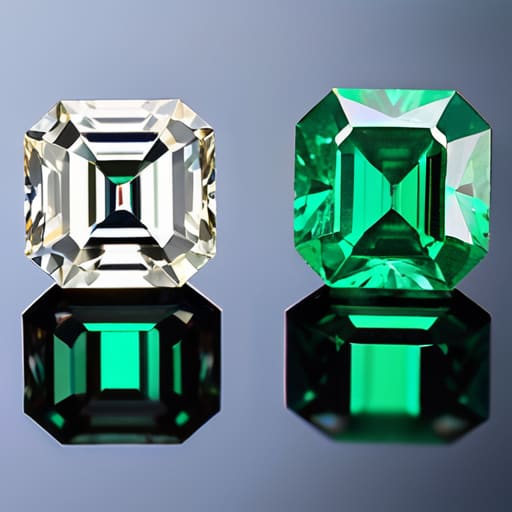
When you’re sitting there with a loupe or just looking at a stone in your palm, don’t get bogged down in math immediately. Start by looking at the silhouette. I find it helpful to decide if you want a rectangular vs square emerald cut before you even pick up the stone. If you want something that elongates the finger, you’re looking for a higher number; if you want something that sits more centered and substantial, you’ll want to aim closer to a square.
To get a real sense of the stone, grab a pair of calipers if you have them, or even just a steady ruler. Perform a quick emerald cut length width calculation by dividing the long side by the short side. A ratio of 1.3 to 1.5 is usually the sweet spot for that classic, elegant look. If the number is much higher, the stone starts to look like a slender shard; if it’s lower, it begins to lose that stepped-facet drama. Once you’ve found the proportions that catch your eye, the rest is just personal preference.
Common Mistakes to Avoid
The most frequent mistake I see is people getting caught up in the math and losing sight of the actual stone. You can follow an emerald cut aspect ratio guide to the letter, but if the stone looks like a narrow sliver or a squat block on your finger, the numbers don’t matter. I’ve seen many buyers obsess over the exact decimal point of an emerald cut length width calculation, only to realize later that the visual impact of gemstone ratios is much more important than a spreadsheet. If it feels “off” to your eye, it probably is.
Another trap is ignoring how the ratio interacts with the rest of the ring. Some people try to force a very elongated shape into a setting that’s designed for something more balanced, which can make the whole piece look lopsided. It’s also easy to confuse a rectangular vs square emerald cut when you’re looking at them through a tiny loupe or a grainy smartphone screen. Don’t let a tiny discrepancy in diamond shape symmetry and proportions ruin the way the light hits the facets. Take your time; the stone isn’t going anywhere.
Final Thoughts
At the end of the day, there is no single “correct” answer written in a textbook. Whether you prefer a long, slender look or a more substantial, stout rectangle, the choice comes down to how the stone sits on your hand. I’ve spent enough hours looking through a loupe to know that a stone can have perfect ideal gemstone shape proportions on paper, but still look “off” to your specific eye. If you find a stone that catches the light exactly how you want it to, don’t let a spreadsheet talk you out of it.
If you are still feeling unsure, I suggest grabbing a piece of paper and sketching out a few different versions of the rectangular vs square emerald cut styles. Seeing the silhouette drawn out can sometimes clear the fog better than staring at a tiny gem on a velvet tray. Once you have a sense of the visual impact of gemstone ratios for your own style, you can shop with a bit more confidence. Whether you’re buying for an engagement or just because the color reminded you of the North Sea after a storm, trust your gut.
The Geometry of the Stone
“An emerald cut isn’t just a set of coordinates on a spreadsheet; it’s about whether the stone looks like a graceful, elongated pillar or a heavy, squat block. I always look for that balance—if the ratio is too extreme, the stone loses its presence, but if it’s too wide, it loses that elegant, hall-of-mirrors depth that makes the cut worth having in the first place.”
Dagny Solheim
Final Thoughts on the Emerald Cut
When you are looking at an emerald cut, remember that there is no single “correct” number to hunt for. Whether you prefer a stone that looks like a slender, elegant shard or one that feels more like a stout, stable rectangle, the decision comes down to how the proportions interact with the light. We’ve talked about checking the length-to-width ratio to ensure it doesn’t look too squashed or overly elongated, and we’ve looked at how those facets play together. Just keep your eyes on the physical reality of the stone in your hand—or under your loupe—rather than getting lost in a spreadsheet of ideal percentages.
At the end of the day, a gemstone is a piece of the earth that has been shaped by human hands. It has a chemical composition that stays the same regardless of its cut, but the way it catches the light is where the magic happens. If a specific ratio makes your heart jump or makes a ring look exactly how you imagined it, then that is the right ratio. I’m here to tell you how the stone is built and how to spot a bad cut, but once you’ve found a shape that speaks to you, the rest of the story is yours to write.
