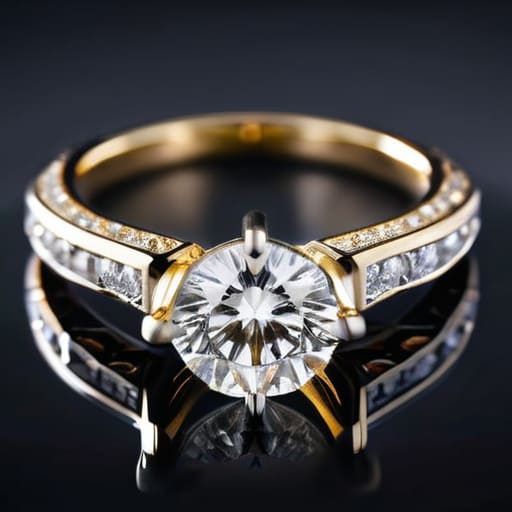
I spent six years in a grading lab, staring through a loupe until my eyes felt like they’d been scrubbed with sand. I’ve seen beautiful stones lost to bad craftsmanship and cheap glass held in settings that looked like they might snap if you breathed on them. Usually, when people come to me, they are stuck in that awkward middle ground of trying to figure out how to actually secure their prize. They want to know how prongs bezels and channel settings compared when it comes to protecting a stone’s edges versus letting it catch the light. It’s a choice between security and visibility, and making the wrong call can mean the difference between a piece you wear for decades and one that ends up at the bottom of a drainpipe.
I’m not here to sell you on a specific “energy” or tell you that a certain metal will change your life. I’m going to tell you exactly how these different metal structures grip the mineral, how much light they actually let in, and which ones are likely to snag on your favorite sweater. I’ll give you the technical reality of each mounting style, and once you decide which one fits your life, what you do with it is entirely up to you.
Prongs
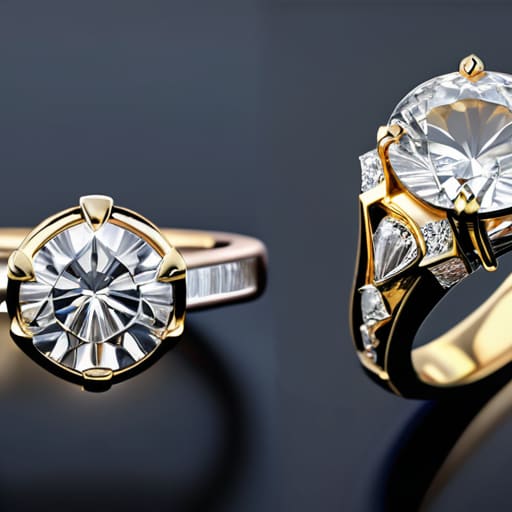
A prong setting uses small metal claws, usually made of gold or platinum, to reach up and grip the edge of a gemstone. This method of holding a stone is the most common way to ensure maximum light enters the facets, which is why you see prongs bezels and channel settings compared so often when people are looking for brilliance.
When I’m looking through a loupe at a stone, I can see how much the light dances because those little metal arms aren’t blocking the view. It’s like looking at a piece of sea glass after a storm; the way the light hits the edges tells you everything about its clarity. If you want a stone that looks like it’s floating on your finger, prongs are the way to go, though you do have to be mindful of them catching on your favorite wool sweater.
Bezels
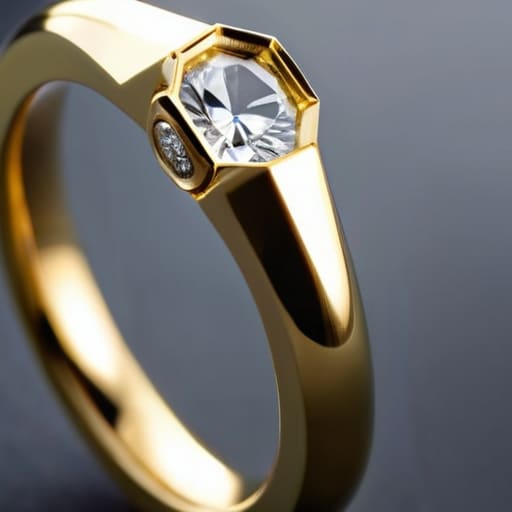
A bezel setting involves a continuous rim of metal that completely encircles the perimeter of the gemstone. This style provides a solid wall of protection around the stone, making it an incredibly durable choice for anyone who leads an active lifestyle.
I think of a bezel like a well-fitted piece of armor for your mineral. I’ve seen too many beautiful sapphires with chipped edges because they were held too loosely, and a bezel prevents that kind of trauma. It gives the stone a very defined, clean silhouette—much like how a smooth river stone looks when it’s been polished by the tide. It isn’t about showing off every single facet to the world; it’s about securing the stone so you can actually wear it without worrying.
Comparison of Prong Bezels vs. Channel Settings
| Feature | Prong Bezels | Channel Settings | |
|---|---|---|---|
| Key Feature | Metal claws hold stone edges | Metal rails sandwich stones | |
| Light Performance | High brilliance and sparkle | Lower brilliance due to metal coverage | |
| Security | High (individual stone grip) | Very High (stones protected by walls) | |
| Durability | Moderate (prongs can snag) | High (smooth, snag-free surface) | |
| Aesthetic Style | Classic and traditional | Modern and sleek | |
| Best For | Showcasing solitaire stones | Pave-style rows and wedding bands | |
| Price | Generally lower labor costs | Higher labor for precision setting |
Understanding Prongs Bezels and Channel Settings Compared
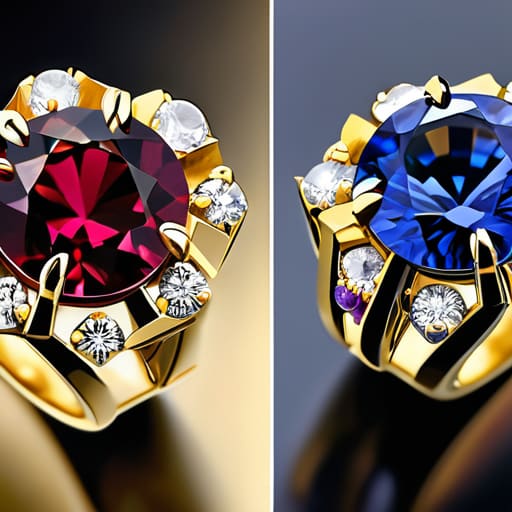
When you’re deciding how to mount a stone, you aren’t just picking a look; you are deciding how much mechanical stress that mineral has to endure. A gemstone isn’t a static object; it’s a physical structure with cleavage planes and hardness levels that react to the world. If you choose a setting that doesn’t respect the stone’s geometry, you aren’t just risking a lost gem, you’re risking a fractured one.
Prongs are the most “exposed” option. They grip the stone at specific points, leaving the girdle—the widest part—vulnerable to side impacts. If you have a brittle stone like an emerald, those little metal claws are your best friend because they allow for light to enter the pavilion, but they can snag on a sweater. Channel settings, conversely, tuck the stone into a protective groove. This is much safer for active wear, but it requires the stone to be cut to a very specific, uniform shape to fit the “track” properly.
If your priority is structural security and protecting the stone from the bumps of daily life, the channel setting wins. It treats the stone like a passenger in a well-built car, whereas prongs are more like a rider on a bicycle.
Key Things to Know
When you’re deciding how to mount a stone, you aren’t just picking an aesthetic; you’re deciding how much stress that mineral is going to take from the real world. I’ve spent years looking at stones that have been crushed or chipped because the setting didn’t respect the physics of the gem. If you don’t understand the mechanical reality of these three styles, you might end up with a beautiful piece of jewelry that becomes a pile of fragments in a year.
Prongs are the most exposed, leaving the stone’s edges vulnerable to any sudden impact. If you’re wearing a sapphire that looks like the deep, dark blue of a North Sea swell, you need to know those metal claws are the only thing keeping it from flying out. Bezels, on the other hand, wrap the metal entirely around the girdle. This offers much more protection, but it can also hide the stone’s natural profile if the metal is too thick. Channels are a different beast entirely; they protect the sides of stones lined up in a row, but the stones themselves are still susceptible to being knocked loose from the ends of the channel.
If your priority is physical durability, the bezel is the clear winner. It wraps the stone like a shield, whereas prongs and channels leave too many gaps for a clumsy moment to cause damage.
Practical Tips and Steps
Choosing how to set a stone isn’t just about the aesthetic; it’s about how much work you’re willing to do to keep that piece from ending up at the bottom of the North Sea. If you pick a setting that doesn’t suit the stone’s hardness or your lifestyle, you aren’t just looking at a broken ring—you’re looking at a lost memory.
If you go with prongs, you need to be prepared for the maintenance. Prongs can snag on knit sweaters or bend if you hit your hand against a doorframe, so you’ll eventually need a jeweler to tighten them up. Bezels and channels are different; they offer a much more “set it and forget it” experience. A bezel wraps the metal entirely around the girdle, making it incredibly secure, while a channel setting tucks stones between metal walls. However, if a stone in a channel setting ever falls out, replacing it is a much more technical, surgical job than simply resetting a prong.
For sheer ease of daily life, the bezel setting wins for practicality. It’s the most robust choice for anyone who actually lives in their jewelry.
The logic of the setting
At the end of the day, a setting is just a way to negotiate with physics. A prong reaches out to grab the stone, a bezel wraps around it like a protective skin, and a channel tucks it into a groove. You choose based on how much you want to see the light hitting the facets or how much you want to protect the edges from a hard knock against a granite countertop.
Dagny Solheim
Choosing Your Way Forward
At the end of the day, picking between a prong, a bezel, or a channel setting comes down to how much you want to interact with the stone’s physical presence. Prongs are for when you want the light to hit a facet just right, letting the color dance like a sapphire pulled from a shallow tide pool. Bezels are the choice for security and a clean, unbroken silhouette, while channels offer a smooth, rhythmic way to line up stones without catching on your clothes. You have to weigh the structural integrity of the metal against how much of the mineral’s surface you actually want to see. Each method changes the way the stone sits against your skin and how much it’s protected from the daily bumps and scrapes of life.
I spent years looking at stones through a loupe, seeing nothing but inclusions and refractive indices, but I eventually learned that a gem isn’t just a specimen. Whether you choose a setting that shields it like a fortress or one that lets it breathe, you are the one deciding how it enters your world. A stone is a piece of the earth’s history, a specific arrangement of atoms that survived millions of years just to end up in your hand. Once you’ve found the right way to hold that history, the rest of the story is entirely up to you.
