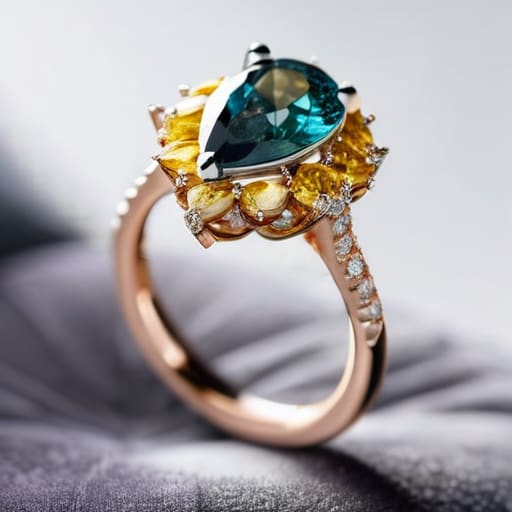
I spent six years hunched over a microscope in a grading lab, staring at stones until my eyes felt like they’d been scrubbed with sand. I’ve seen the way the industry tries to sell “magic” when what you’re actually looking at is a specific arrangement of atoms. Most people think choosing engagement rings set with coloured stones means navigating a minefield of high-pressure sales tactics and vague promises about “energy.” It’s exhausting. You don’t need a lecture on cosmic vibrations; you need to know if that deep teal sapphire is a natural miracle or a lab-grown piece of glass that’s going to look dull and dusty in three years.
I’m not here to sell you a dream or tell you which stone matches your aura. My goal is much simpler: I’ll tell you exactly what these minerals are made of, how they behave under a loupe, and how to spot the synthetics being passed off as the real thing. Once you know the actual chemistry and the true value of what’s on your finger, what you decide to do with it is entirely up to you.
Understanding Engagement Rings Set With Coloured Stones
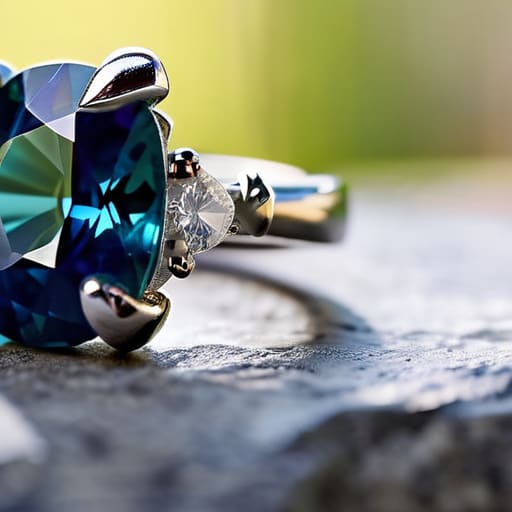
When people start looking into non-traditional diamond engagement rings, they usually begin with the colour. It’s a visceral reaction. You see a teal sapphire or a deep green emerald and you just know. But from a gemmologist’s perspective, I look at the chemistry first. An engagement ring is something you wear every single day, often through hand-washing, gardening, or gym sessions, so you have to consider the durability of colored gemstones before you fall in love with the hue. A diamond is a tank, but a morganite or an opal is much more delicate.
If you are exploring alternative engagement ring gemstones, you’ll find a massive spectrum of options. You might be looking for birthstone engagement ring ideas to make the piece feel more personal, or perhaps you’re interested in the specific architecture of sapphire and emerald ring settings. Each stone reacts to light differently; some hold their colour like a deep pool of seawater, while others flash with internal inclusions. I don’t care if you choose a stone for its geological rarity or its sentimental meaning, but I do want you to know why it looks the way it does.
Key Things to Know
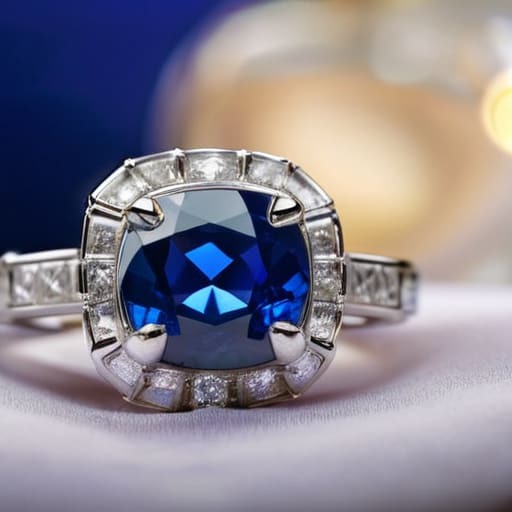
First, we need to talk about the physics of the thing. If you aren’t planning on taking this ring off every time you wash the dishes or go for a swim, you have to consider the durability of colored gemstones. I’ve spent years looking at stones under a loupe, and the difference between a sapphire and an opal is more than just color; it’s how they handle the friction of daily life. A sapphire is tough, sitting high on the Mohs scale, whereas something softer might end up looking like a dull pebble after a year of wear.
Second, don’t feel pressured to follow a specific template. I see a lot of people moving toward non-traditional diamond engagement rings because they want something that feels personal, not because they’re trying to be rebels. Whether you are looking for specific birthstone engagement ring ideas or just want a deep, teal-colored stone that looks like the North Sea after a storm, the goal is to find something that matches your life. If you want a custom setting to protect a softer stone, that’s just smart engineering.
Practical Tips and Steps
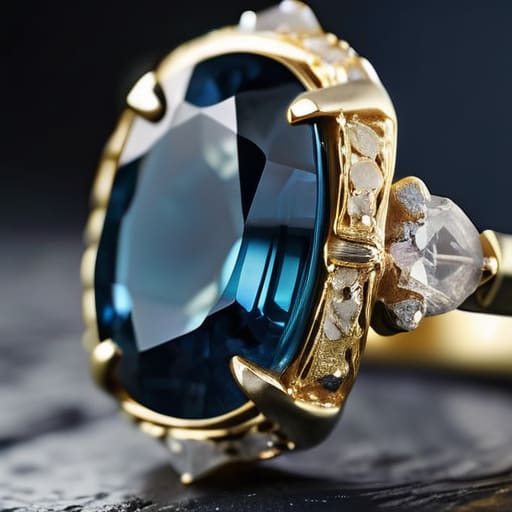
When you’re moving away from the standard diamond, the first thing I suggest is looking closely at the Mohs scale. If you’re planning on wearing this ring every single day, the durability of colored gemstones is your most important metric. I’ve seen too many beautiful morganite or aquamarine rings end up scratched or chipped because the wearer didn’t realize they were working with softer minerals. If you want something that can handle a life of movement, stick to the harder stuff—corundum (rubies and sapphires) or beryl (emeralds).
If you have a specific vision, I’d recommend looking into bespoke gemstone ring design rather than picking something pre-made. This lets you choose a setting that actually protects the stone. For example, if you’re looking at sapphire and emerald ring settings, an emerald often needs a bezel or a protective rim because its crystal structure is prone to cleavage. Don’t be afraid to use birthstone engagement ring ideas to make the piece feel more personal; just make sure the metal and the cut are chosen to keep that stone safe from the daily grind.
Common Mistakes to Avoid
The biggest mistake I see is people falling in love with a colour before they’ve looked at the Mohs scale. It’s easy to get swept up in birthstone engagement ring ideas, but if you pick an opal or a soft fluorite for a ring you intend to wear every single day, you’re going to end up with a scratched, cloudy mess within months. You have to consider the durability of colored gemstones against the reality of daily life—knocking your hand against a doorframe or washing the dishes. If the stone is too soft, the history you thought you were buying will be replaced by a permanent record of every bump and scrape.
Another trap is chasing a specific “look” without understanding the chemistry. I’ve seen many people hunt for non-traditional diamond engagement rings only to realize too late that the stone they chose is highly sensitive to heat or chemicals. Don’t just buy a stone because it looks like a deep ocean blue when it’s dry; check how it reacts to light and how it’s set. A beautiful stone in a poor setting is just a future heartbreak.
Final Thoughts
At the end of the day, choosing a ring isn’t about following a set of rigid rules or trying to replicate what you see in a standard jewelry catalog. Whether you are looking at alternative engagement ring gemstones because you want something with more character, or you are exploring birthstone engagement ring ideas to make the piece feel more personal, the goal is the same: finding something that feels right when you look down at your hand.
I’ve spent years looking at stones through a lens, and I can tell you that the chemistry of the mineral matters just as much as the sentiment behind it. If you choose a stone for its color, just make sure you’ve checked its durability against your daily life. A soft stone might look beautiful, but it won’t handle a busy lifestyle the way a sapphire or a spinel will.
Whether you end up with a classic sapphire or a custom-cut teal tourmaline, my advice remains the same. Get the facts about the mineral, know what you are paying for, and then wear it with confidence. What the stone means to you is the only part of the equation that isn’t written in a textbook.
On Choosing a Stone
A sapphire isn’t just a blue promise; it’s corundum, shaped by heat and pressure, and whether it looks like the deep navy of the North Sea or a bright, sun-drenched teal, its value lies in its chemistry, not just the sentiment you wrap around it.
Dagny Solheim
Final Thoughts
At the end of the day, picking a colored stone for an engagement ring comes down to knowing exactly what you are holding. We have talked about the importance of checking the Mohs scale to make sure your sapphire or emerald can actually handle daily wear, and the necessity of distinguishing a natural stone from a lab-grown or glass imitation. Whether you are looking for the deep, seawater-blue of a natural tanzanite or the mossy, forest-floor green of a jade, the goal is to ensure the mineral composition matches the price tag. Don’t let the marketing jargon cloud your vision; focus on the hardness, the clarity, and the origin of the stone.
I know that for many, these stones aren’t just bits of silicate or corundum; they are symbols of a promise. If you want to choose a stone because its specific shade reminds you of the ocean after a storm, or because its history feels right for your partner, then do it. I’m here to tell you how the stone was formed and how to spot a fake, but I won’t tell you how to feel about it. Once you have verified that the stone is authentic and durable, the rest of the story is yours to write. Choose something that is as solid and real as the commitment it represents.
