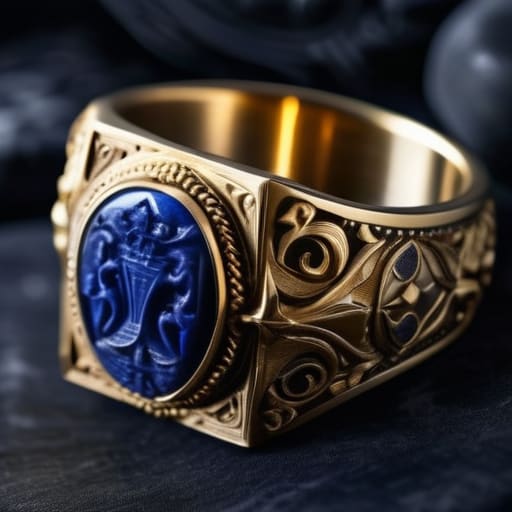
I spent six years hunched over a microscope in a grading lab, and if there is one thing that gets under my skin, it’s the way people treat signet rings and the tradition of carved stones like they’re some sort of mystical gateway to ancient bloodlines. You’ll walk into a shop and see a piece of glass or a soft, dyed chalcedony being sold as if it holds the soul of a medieval knight, wrapped in layers of expensive, nonsense marketing. I’ve seen enough “heirloom” carvings to know that most of them are just mass-produced resin or cheap soapstone meant to separate a collector from their money.
I’m not here to sell you on the magic, but I am here to tell you what the stone actually is. In this guide, I’m going to strip away the hype and look at the mineralogy and the craft behind these pieces. I’ll show you how to distinguish a genuine carnelian intaglio from a clever imitation and why the hardness of the stone matters more than the legend attached to it. What you decide to do with the ring once you know its true composition—whether you wear it for history or just because you like the look—is entirely up to you.
Understanding Signet Rings and the Tradition of Carved Stones
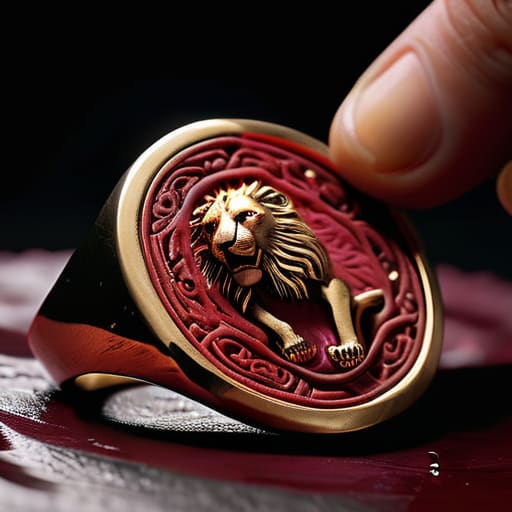
When you look at a signet ring, you aren’t just looking at a piece of jewelry; you’re looking at a tool that was designed to leave a mark. Long before we had digital signatures, people used ancient glyptic art traditions to turn hard stones into personal stamps. The idea was simple: you carve a design into a gemstone, press it into hot wax, and suddenly, you have a legal seal. It wasn’t about fashion back then; it was about identity and authority.
The craft itself is incredibly demanding. Most of these pieces rely on intaglio gemstone carving techniques, where the artist cuts into the surface of the stone rather than building up on top of it. This is where the real skill shows. If you are looking at a piece of custom engraved gemstone jewelry, you want to see clean, deliberate lines that haven’t been blurred by a clumsy tool. Whether the stone is a deep, blood-red garnet or a translucent chalcedony that looks like a piece of sea glass after a storm, the carving needs to respect the mineral’s structure. It’s a marriage of geology and artistry that has survived for thousands of years.
Key Things to Know
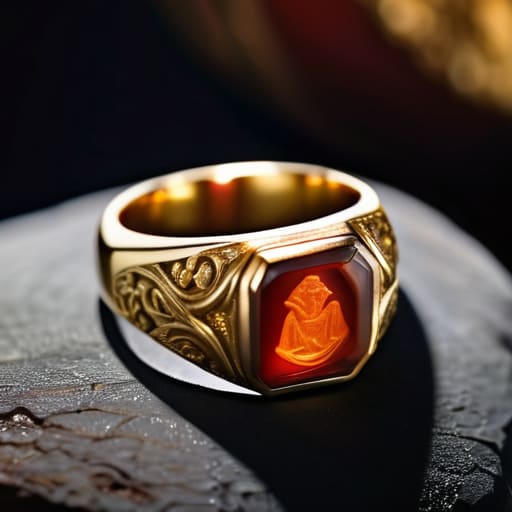
If you are looking to buy one, you need to look past the gold setting and focus on the stone itself. The first thing to check is the depth and clarity of the carving. In true ancient glyptic art traditions, the artist worked into the mineral, creating a hollow that catches the light. If the design looks like it was just scratched onto the surface with a needle, or if the edges of the engraving look soft and rounded like they’ve been melted, you’re likely looking at a cheap imitation or a laser-etched piece rather than genuine hand-carved work.
You should also consider the hardness of the material. A real signet ring meant for daily use needs a stone that won’t crumble under pressure. I always look for something with a high Mohs scale rating, like carnelian or chalcedony, because they hold the fine details of intaglio gemstone carving techniques without chipping. If the seller is offering you a soft, colorful stone for a fraction of the price, be wary; it might look pretty in a photo, but it won’t survive a week of being worn as a functional seal.
Practical Tips and Steps
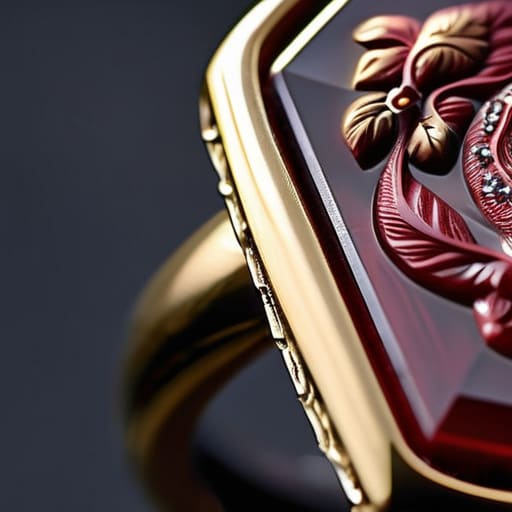
If you’re looking to commission a piece, start with the material. If you want something that can handle a lifetime of wear, look for stones on the harder end of the Mohs scale, like sapphire or garnet. When you’re looking at custom engraved gemstone jewelry, ask the maker about their specific intaglio gemstone carving techniques. A high-quality carving isn’t just scratched into the surface; it’s a deliberate removal of material that respects the stone’s structure. I always check the edges of the engraving under a loupe—if the lines look rounded or “mushy,” it’s often a sign of modern laser etching rather than the crisp, intentional work found in traditional methods.
Don’t be afraid to ask for a macro photograph of the setting before you commit. You want to see how the stone sits in the metal; it shouldn’t look like it’s just glued in. If you are interested in heraldic signet ring symbolism, ensure the engraver understands the specific geometry of the crest or seal you’re requesting. A good craftsman knows that a symbol isn’t just a drawing; it’s a piece of history that needs to be legible even when the stone is pressed into wax.
Common Mistakes to Avoid
The biggest mistake I see is people assuming that “old” automatically means “authentic.” I’ve sat in labs looking at stones that were meant to look like they survived a Roman shipwreck but were actually carved in a basement last Tuesday. When you are looking at ancient glyptic art traditions, you have to look for the tool marks. Real, old-school intaglio gemstone carving techniques leave behind specific, slightly irregular traces under a loupe. If the carving looks too perfect—almost like it was etched by a laser—it’s likely a modern imitation trying too hard to look historical.
Another trap is getting so caught up in the heraldic signet ring symbolism that you forget to check the stone itself. People will pay a premium for a ring because the crest looks impressive, but they end up with a piece of dyed chalcedony or glass instead of a solid carnelian or sardonyx. Don’t let the history distract you from the mineralogy. A stone should feel substantial and have a clarity that matches its species. If the color looks like it was painted on after the fact, walk away.
Final Thoughts
At the end of the day, whether you are hunting for a piece of history or just a heavy ring that feels good on your hand, the goal is the same: finding something real. I’ve spent enough hours under a microscope to know that a stone’s value isn’t just in its carat weight, but in the skill required for its creation. When you look at the nuances of ancient glyptic art traditions, you realize you aren’t just buying jewelry; you are holding a tiny, carved piece of human intent.
Don’t let the pressure of “investment grade” stones cloud your judgment. If you find a piece of custom engraved gemstone jewelry that speaks to you, buy it—just make sure you know if that carnelian is actually carnelian and not a dyed piece of glass. Whether you care about the deep heraldic signet ring symbolism or you just like the way a dark sardonyx looks like a wet pebble on a North Sea beach, that’s your prerogative. I’ve given you the technical groundwork; the rest is up to your own eye.
A Matter of Substance
A signet ring isn’t just a piece of jewelry; it’s a piece of history carved into a mineral. Whether it’s a hard garnet or a soft chalcedony, the stone has a chemical reality that doesn’t care about your family lineage—but when you find a piece where the carving and the composition actually respect one another, that’s when it feels permanent.
Dagny Solheim
A Final Look at the Stone
At the end of the day, finding a signet ring is about balancing the history of the craft with the reality of the material. We’ve talked about checking the hardness of the stone, looking for the tell-tale signs of soft soapstone versus a harder chalcedony, and knowing when a carving is too perfect to be anything but a modern machine job. Whether you are looking for a heavy piece of bloodstone to carry a family crest or a small, intaglio-cut garnet, the goal is to ensure that what you are paying for is actually what is sitting under your loupe. Don’t let the romantic stories distract you from the mineral composition and the physical integrity of the piece.
Once you’ve done the work to separate the genuine carvings from the mass-produced imitations, the stone belongs to you. I don’t care if you wear it as a piece of historical armor or if you keep it on your desk as a quiet, heavy weight to ground you during a long afternoon. A well-carved stone has a weight and a temperature that feels right in the hand, a certain permanence that synthetic resins simply can’t mimic. If the stone is real and the carving speaks to you, then it has done its job. Go ahead and make it part of your own story.
