I remember sitting in a cramped grading lab in Bergen, staring through a loupe at a strand of labradorite that looked like frozen seawater under the lamp. Just as I was noting the feldspar’s play of light, the silk thread snapped, and a dozen stones scattered across the linoleum like heavy rain. It’s a heartbreaking sound—that sudden, hollow clatter of precious things hitting the floor. Most people think a broken necklace is a sign of bad luck or a “low vibration,” but as someone who has spent years looking at the physical reality of minerals, I know it’s usually just simple mechanical fatigue. If you’re staring at a pile of loose beads, you’re likely wondering about the practicalities of beaded gemstone necklaces and when to restring them before the next disaster strikes.
I’m not here to sell you on “energy cleansing” or expensive ritualistic repairs. I want to talk about the friction of stone against cord, the way certain minerals can actually degrade silk over time, and how to spot a fraying thread before it fails you. I’ll give you the straight facts on what to look for and how to handle the process yourself. Once you’ve got your necklace back in one piece, what you choose to do with it is entirely up to you.
Understanding Beaded Gemstone Necklaces and When to Restring Them
When you’re looking at a strand of beads, you’re looking at two different things: the mineral itself and the thread holding it together. While I spend most of my time looking at the inclusions in a piece of jade or the luster of a garnet, the thread is what actually dictates the life of the piece. Most people choose between silk, nylon, or various types of gemstone necklace stringing materials, but even the best silk will eventually fray. I always tell people to look for the subtle signs of worn jewelry cord—little fuzzy patches or slight thinning where the beads rub against the line. If the cord looks like it’s starting to pill, it’s already lost its structural integrity.
You can also learn a lot by simply feeling the piece. I like to use a quick method for how to check necklace tension by gently running the strand through my fingers. It shouldn’t feel limp like a wet noodle, nor should it feel so tight that the beads are biting into each other. If the beads feel “loose” or if you see gaps where the thread has stretched, that’s your cue. It’s better to restring it now than to find your precious stones scattered across the floor later.
Key Things to Know
First, you need to look at what is actually holding the beads together. Most people assume a necklace is just a single line, but the gemstone necklace stringing materials make all the difference. If you have something like silk thread, it’s soft and luxurious, but it’s also organic—it can rot or fray if it gets damp. If it’s nylon or a synthetic cord, it’s tougher, but it can still stretch or snap under tension. I always tell people to check for microscopic fraying near the clasp; if the cord looks fuzzy or uneven, like a piece of rope that’s been dragged across a pier, it’s time to stop wearing it.
You should also keep an eye on the spacing. When I’m looking at a piece, I check how to check necklace tension by gently tugging on the strand. If the beads feel loose or if there are gaps where the cord has stretched thin, the structural integrity is gone. Preventing broken gemstone necklaces usually comes down to catching these small changes before the whole thing hits the floor. If the beads aren’t sitting flush against each other anymore, the string is tired.
Practical Tips and Steps
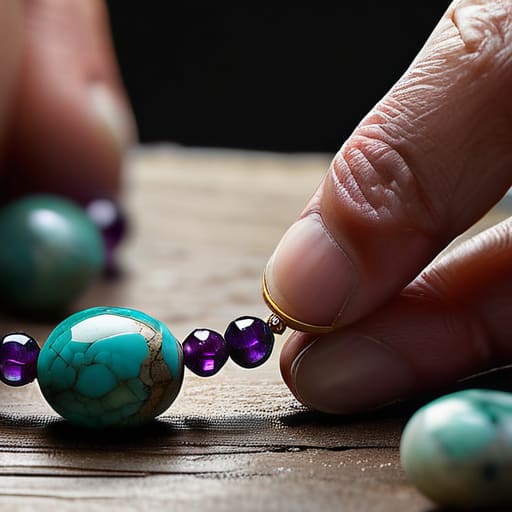
First, you need to get comfortable with a bit of tactile inspection. I always suggest picking up your necklace and running the beads between your thumb and forefinger. You aren’t just feeling the stones; you are looking for signs of worn jewelry cord like fraying, thinning, or even tiny bits of fiber poking through. If you feel a slight “give” or a softness where the cord should be taut, that’s your cue. A good way to test this is by checking how to check necklace tension—give the strand a very gentle tug. If it feels elastic or limp rather than firm, the internal structure is likely failing.
When it comes to the actual repair, don’t just grab any random thread. Different stones require specific gemstone necklace stringing materials; a heavy piece of labradorite needs a much more robust support than a delicate strand of rose quartz. If you’re using silk, look for high-quality, pre-waxed options. If you’re working with metal, I’d suggest looking into a jewelry wire durability guide to ensure the gauge matches the weight of your beads. Taking the time to match the material to the mineral is the best way to ensure your piece lasts.
Common Mistakes to Avoid
The biggest mistake I see is treating a gemstone necklace like a piece of cheap costume jewelry. People often wait until they see a literal gap in the beads or a bead rolling around loose on the table before they take action. By then, you aren’t just looking at a repair; you’re looking at a potential disaster involving lost stones. Learning how to check necklace tension early—feeling for that slight, healthy stretch versus a limp, lifeless cord—is much better than finding your Labradorite scattered across the kitchen floor.
Another error is ignoring the chemistry between your stone and your stringing materials. If you have a heavy, dense stone like hematite or a porous one like turquoise, using a thin, flimsy thread is a recipe for a break. I’ve seen too many people try to save a few kroner by using low-grade elastic that dries out and snaps within months. If you want real gemstone jewelry longevity tips, stop treating the cord as an afterthought. The string is the skeleton of the piece; if the skeleton is brittle, the whole thing is going to fail, no matter how beautiful the stones are.
Final Thoughts
At the end of the day, a necklace is just a collection of minerals held together by something much more fragile. Whether you’re wearing a strand of deep, teal-blue sapphires or something more casual, the physics of the stringing material is what actually dictates how long you get to enjoy them. I’ve spent enough time looking through a loupe to know that a tiny fray in the cord is often the only warning you’ll get before a stone hits the floor. If you start noticing any signs of worn jewelry cord, like uneven spacing between the beads or a slight limpness to the strand, don’t wait for the snap.
Taking a moment to check your collection now is one of the best gemstone jewelry longevity tips I can give you. It isn’t about being precious; it’s just about respecting the history of the stones. If you choose the right materials and keep an eye on the tension, your pieces will last. Once they’re secure, though, the rest is up to you—wear them to a gala or keep them in a velvet box. I don’t care which, as long as you know they’re real.
A Note on Longevity
A gemstone might last a million years in the earth, but once you drill a hole through it and hang it on a bit of silk or elastic, its lifespan becomes much more fragile. I’ll show you how to spot the fraying before you lose a piece of history on the pavement, but once the string is fresh, the stone is yours to wear however you like.
Dagny Solheim
One Last Look
At the end of the day, keeping a beaded necklace in good shape comes down to being observant. You need to watch for those tiny signs of wear—the way a thread starts to look frayed and fuzzy, or how a single bead sits slightly crooked compared to its neighbors. If you’ve noticed a stone looking dull or if the strand feels limp, don’t wait for the catastrophic snap that sends your precious malachite or lapis scattering across the floor. Checking your jewelry regularly and knowing when to swap out old silk or nylon for something sturdier is simply good stewardship of your collection.
I know that for some of you, these stones are just beautiful accessories, and for others, they are tools for something much deeper. Whether you see a piece of labradorite as a specimen of feldspar with a stunning labradorescence or as a vessel for your intentions, the physical reality remains the same. A stone is a piece of the earth’s history, and it deserves to be worn safely. Treat your beads with a bit of respect, keep an eye on the string, and then wear them with whatever meaning you choose.
