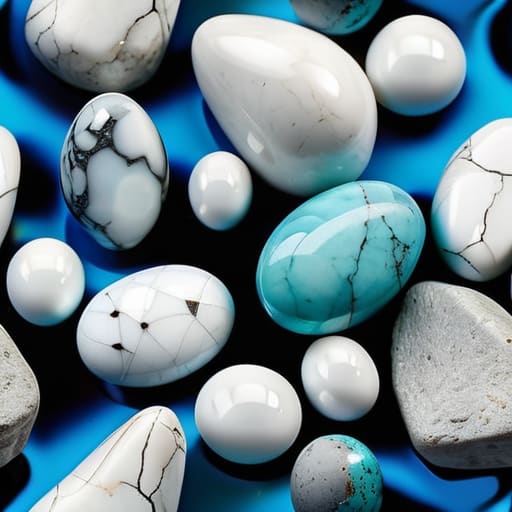
I spent six years in a grading lab staring through a loupe until my eyes felt like they were full of sand, and if there is one thing that still makes me roll my eyes, it is the way the market treats howlite. You’ll walk into a shop and see a beautiful, robin’s-egg blue stone that looks like it was plucked from a desert sky, only to be told it’s a “natural turquoise miracle.” It’s a lie. Most of the time, you’re looking at howlite and how it is dyed to imitate turquoise, a process that turns a plain, milky white calcium silicate into something that looks much more expensive than it actually is.
I’m not here to tell you that you shouldn’t buy it; if you love the color, buy the color. My goal is simply to pull back the curtain so you know exactly what you’re holding in your hand. I’m going to show you the physical tells—the way the dye clings to the veins or how the color looks when it’s been rubbed raw—so you can distinguish the mineral from the trick. I’ll give you the science of the stone, and then you can decide what it’s worth to you.
The Truth About Howlite and How It Is Dyed to Imitate Turquoise
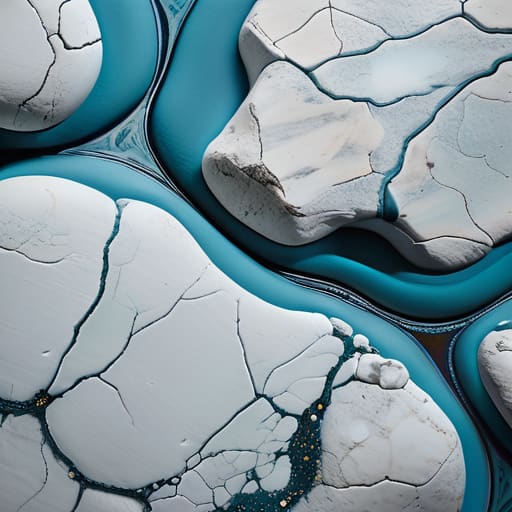
Howlite is essentially a calcium hydroxide mineral, and in its natural state, it’s a quiet, chalky white stone with greyish veins. It’s quite boring on its own, which is exactly why it’s such a prime candidate for a makeover. Because of the natural porosity of howlite, it acts like a sponge. Manufacturers take these white stones and soak them in blue or teal dyes to mimic the look of real turquoise. When you look at it under a loupe, you’ll often see that the color hasn’t quite settled into the deep, organic crevices of the stone. Instead, the dye sits on the surface or pools in a way that looks a bit too uniform and plastic.
The real giveaway during howlite vs turquoise identification is the way the “matrix” looks. In real turquoise, the dark veins are usually host rock or iron oxides woven into the structure. In dyed howlite, those dark lines are often just the original grey veins of the stone peeking through a thin layer of blue tint. If the pattern looks like it was drawn on with a felt-tip pen, you’re looking at a trick.
Understanding the Porosity of Howlite and Its Hidden Vulnerability
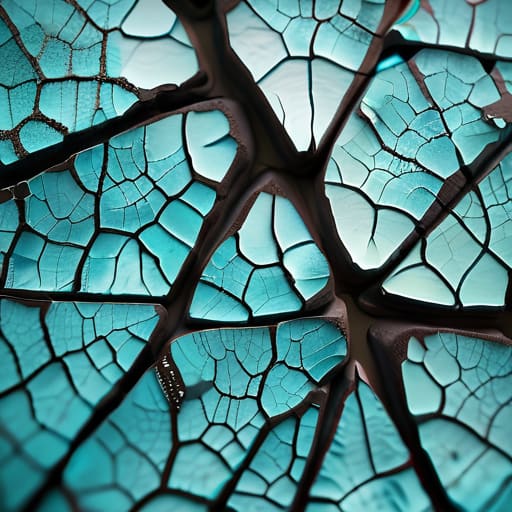
The reason this trick works so well comes down to a simple geological flaw: the porosity of howlite. Unlike real turquoise, which is a dense, hydrated phosphate, howlite is a calcium borosilicate that is essentially a microscopic sponge. It’s full of tiny, interconnected voids that are perfect for soaking up liquid. When a manufacturer uses gemstone dyeing techniques, they aren’t just painting the surface; they are pulling the pigment deep into those little pockets. This is why the color looks so saturated and permanent at first glance.
If you look closely at the matrix patterns in dyed stones, you’ll see where the physics of the stone fails the illusion. In genuine turquoise, the dark veins are usually host rock or different mineral inclusions that have a distinct, rugged texture. In dyed howlite, the “veins” often look like they are bleeding into the blue, or they follow the structural cracks of the stone too perfectly. Because the dye is trapped in those pores, it can sometimes leave a faint residue on your skin or look unnaturally bright, like a piece of plastic left out in the sun.
Common Gemstone Dyeing Techniques Used to Mask the Stone
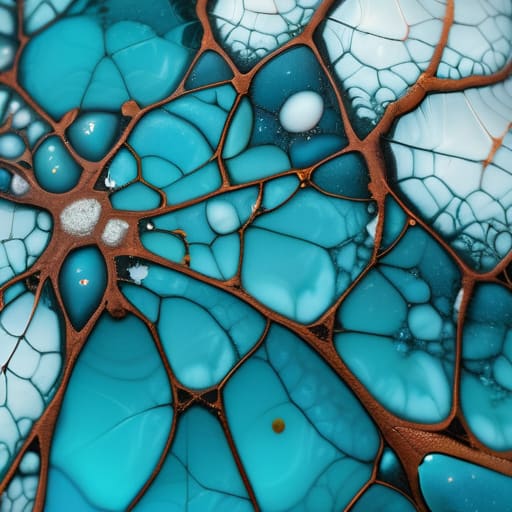
When you’re looking at a piece of jewelry, the most common way they try to fool you is through simple immersion. Because of the high porosity of howlite, it acts like a sponge. Makers take a slab of the white stone and soak it in a vat of blue or teal pigment. The dye travels deep into those microscopic voids, trying to mimic the dense, opaque look of real turquoise. If you look closely at the matrix patterns in dyed stones, you’ll often see the blue dye pooling unnaturally in the cracks, looking more like spilled ink than the organic, spiderweb veins you’d find in a natural specimen.
Sometimes, they go a step further with stabilizing dyed gemstones. This involves using resins or polymers to seal the dye inside the stone so it doesn’t bleed on your skin. This can actually make the stone look too perfect, giving it a waxy, plastic-like sheen that real turquoise rarely possesses. It’s a clever bit of chemistry, but once you know to look for that artificial luster, the trick loses its magic.
How to Decode Deceptive Matrix Patterns in Dyed Stones
When you’re looking at a piece of jewelry, the first thing your eyes hunt for is that web-like pattern. In real turquoise, the matrix—the host rock—is usually a distinct material like limonite or quartz that sits inside the stone. It looks like a natural vein, much like the dark cracks you see in granite after a heavy rain. In dyed howlite, however, those matrix patterns in dyed stones often look a bit too perfect or, conversely, a bit too messy. Because the dye is being forced into the pores, the “veins” often look like they are bleeding into the blue, rather than being a separate, solid structure.
If you have a loupe, use it. Look closely at where the blue meets the white. In a genuine stone, there is a clean, sharp boundary. With howlite, the color often looks blurry or “fuzzy” at the edges, almost like ink spreading on a damp paper towel. You might also notice that the blue looks unnaturally uniform, giving off a synthetic turquoise appearance that lacks the depth of a real mineral. If the pattern looks like it was drawn on with a fine-tipped pen, you’re likely looking at a clever bit of trickery.
Mastering Howlite vs Turquoise Identification Without a Laboratory
You don’t need a spectroscope to see through the charade, but you do need to slow down. Start with the weight. Turquoise is a phosphate mineral, often denser and heavier in the hand than howlite, which is a calcium borosilicate. If you hold a piece and it feels strangely light or “airy” for its size, your intuition is likely picking up on that high porosity of howlite. I always suggest a simple squeeze test if you’re looking at a bead; a dyed stone might feel slightly warmer or more “plastic” to the touch compared to the cool, stony bite of genuine turquoise.
Next, look at the color under a bright light. When I see dyed howlite, the blue looks like it was poured onto the surface—it has a certain artificial saturation, like blue ink spilled on a wet rock. In real turquoise, the color is part of the stone’s soul, appearing more matte and integrated. Pay close attention to the matrix patterns in dyed stones; if the black veins look like they were drawn on with a fine-liner pen rather than being part of the geological structure, you’re looking at a trick.
The Uncanny Nature of Synthetic Turquoise Appearance in Jewelry
When you look at a piece of jewelry in a shop window, there is a specific kind of perfection that should make your internal alarm bells ring. Real turquoise is a messy, beautiful mineral; it has variations in tone and a texture that feels substantial. What you often see instead is a synthetic turquoise appearance that looks almost too “clean.” It has a certain plastic-like sheen, a color that looks like a bright summer sky just after a heavy rain, but without any of the depth. It lacks the grit of a real stone.
This uncanny look is usually the result of aggressive gemstone dyeing techniques designed to hide the stone’s true nature. Because the porosity of howlite is so high, it acts like a sponge, soaking up pigment until the white calcium carbonate is completely overwhelmed. When the color is this uniform, it’s a dead giveaway. You aren’t looking at a natural mineral formation; you are looking at a white stone that has been forced into a blue costume. It might look pretty on a necklace, but it won’t ever have the soul of the real thing.
Stabilizing Dyed Gemstones What Happens After the Color Sets
Once the dye has been sucked into the stone, the job isn’t actually finished. Because of the natural porosity of howlite, the color is sitting there in a state of precarious balance. If you left the stone as just a sponge of pigment, the blue would bleed out the moment it touched a drop of sweat or a bit of perfume. To prevent this, manufacturers use resins or polymers to seal the color in. This process of stabilizing dyed gemstones is what gives the stone that slightly waxy, plastic-like sheen that often gives away a fake.
When I look at a piece under my loupe, I’m looking for how that resin interacts with the surface. If the stabilization was done poorly, you’ll see tiny cracks or a “cloudy” look where the resin didn’t quite reach the depths of the stone. It’s a bit like how a pebble looks different when you pull it out of the North Sea versus when it’s bone-dry on the sand. That artificial, uniform gloss is a dead giveaway that you aren’t looking at a solid piece of turquoise, but rather a chemically treated mineral trying its best to play the part.
The Difference Between Chemistry and Magic
“Look, howlite is just a plain white calcium carbonate stone, but when you soak it in blue dye to mimic turquoise, it takes on a color like a shallow sea after a storm. It’s a clever bit of chemistry, and whether you want to wear it because you love the shade or because you believe in the stone’s energy is your choice—just don’t mistake the dye for the mineral.”
Dagny Solheim
The Final Word on the Blue Stone Trick
At the end of the day, identifying dyed howlite comes down to looking past the surface. You now know to check for that tell-tale soak of blue dye in the pores, to watch for matrix patterns that look a bit too much like a printed photograph, and to remember that real turquoise has a density and a structural soul that a piece of calcium carbonate simply cannot mimic. Whether you are looking at a stone under a loupe or just holding it in your palm at a market, remember that howlite is a perfectly fine mineral in its own right. It doesn’t need to pretend to be something else to have value, and once you understand the chemistry of the deception, you won’t be caught off guard by a cheap imitation again.
I don’t care much for the people who run these little scams, but I also don’t care if you choose to buy a piece of dyed howlite because you simply love that specific shade of robin’s-egg blue. If it makes you happy, wear it. My goal isn’t to police your jewelry box; it’s just to make sure you know exactly what you’re paying for. There is a certain kind of peace that comes from knowing the truth of a stone, regardless of its price tag. Whether it is a rare specimen of genuine turquoise or just a piece of dyed white stone, it is yours, and that is what matters most.
