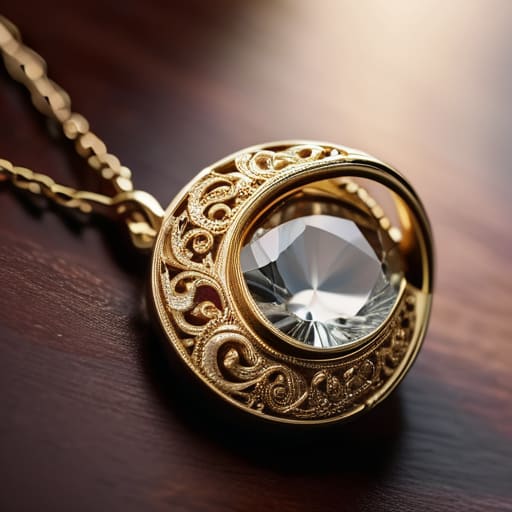
I was sitting on a granite outcrop near Bergen last autumn, the air tasting of salt and upcoming frost, when I felt that sudden, sickening lightness against my collarbone. I reached up, expecting the familiar weight of my labradorite, but found only an empty chain. It wasn’t some grand, mystical disappearance; it was just a cheap, tired mechanism that had finally given up the ghost. People spend hundreds, sometimes thousands, on a beautiful stone only to ignore the tiny bit of engineering holding it to their neck. If you don’t understand the relationship between different clasp types and how pendants get lost, you aren’t just risking a piece of jewelry—you’re risking the history you’ve attached to it.
I’m not here to sell you a designer security system or some expensive, over-engineered gadget you don’t need. My goal is to strip away the marketing fluff and look at the mechanical reality of how these things actually function under pressure. I’ll walk you through which connections are sturdy enough for a morning swim and which ones are essentially just decorative suggestions. Once you know the physics of the hold, you can decide how much risk you’re willing to take with your stones.
Understanding Clasp Types and How Pendants Get Lost
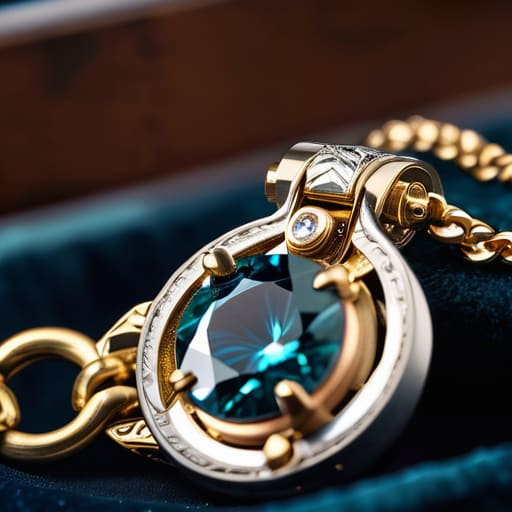
When I was working in the lab, I’d often see stones that were technically flawless—a perfect, deep teal sapphire that looked like the North Sea during a storm—only to see them sitting in a “lost and found” tray because of a mechanical failure. Most people focus on the stone, but the jewelry fastener security is what actually keeps that history around your neck.
The most frequent culprit is the spring ring clasp. They’re small, dainty, and look lovely on a thin gold chain, but the internal spring is a tiny, finicky piece of metal that eventually loses its tension. Once that spring weakens, the loop stays ajar, and your pendant is gone. This is where the debate of lobster claw vs spring ring clasp usually comes down to utility. A lobster claw is sturdier; it has a more robust lever mechanism that is much harder to accidentally trigger.
If you’re identifying worn jewelry clasps, look for any slight wiggle or a spring that doesn’t “snap” back instantly. If it feels mushy, it’s failing. You can keep wearing it if you like the risk, but I’d rather see you swap the hardware than see a good stone end up in the gutter.
Key Things to Know
When I’m looking at a piece through a loupe, I’m usually checking for inclusions in a sapphire, but I spend just as much time looking at the metalwork. If the metal is thin or the hinge is gritty, it doesn’t matter how much you paid for the stone; the piece is a liability. One of the most common jewelry failure points is simply the fatigue of the metal itself. I’ve seen beautiful, high-carat gold pendants fail because the loop—the bale—was too narrow for the clasp, creating a constant, grinding tension that eventually snaps the link.
You also need to be able to distinguish between different levels of jewelry fastener security. For instance, when comparing a lobster claw vs spring ring clasp, the difference is often about how much mechanical stress the mechanism can take. A spring ring is fine for a light, everyday chain, but if you’re securing a heavy, faceted garnet, you want something with more substance. It’s about matching the strength of the fastener to the weight of the stone so you aren’t constantly checking your neck in the mirror.
Practical Tips and Steps
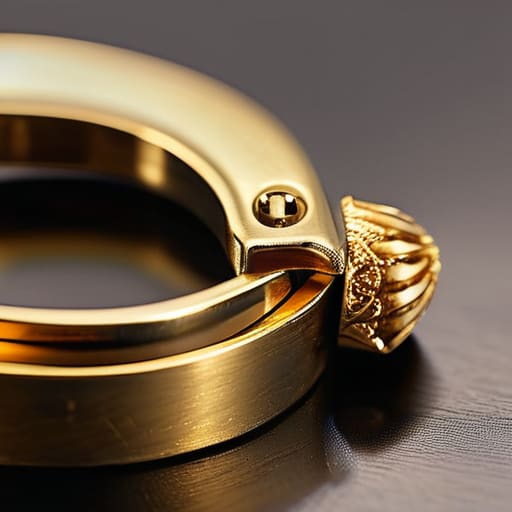
Start by getting a decent loupe or even just a strong magnifying glass. I spent years looking at inclusions in sapphires, so I know how much a tiny bit of metal fatigue matters. Take a close look at the spring inside your fastener; if it feels sluggish or doesn’t “snap” back with a crisp click, it’s a sign of identifying worn jewelry clasps before they fail you. If the metal looks thin or the hinge feels loose, that’s a common jewelry failure point you shouldn’t ignore.
When it comes to daily wear, pay attention to your habits. If you’re someone who moves a lot—maybe you’re out walking on the coast or just working a busy job—I’d suggest opting for a lobster claw over a spring ring. The difference in jewelry fastener security is significant; a lobster claw has a much sturdier mechanism that can handle a bit of tugging. If you have a particularly precious piece, don’t be afraid to take it to a local jeweler to have the jump ring checked. It’s a small bit of maintenance that saves a lot of heartache later.
Common Mistakes to Avoid
The most frequent error I see isn’t a lack of care, but a lack of scrutiny. People tend to assume that if a piece of jewelry looks shiny and new, it is mechanically sound. They overlook the common jewelry failure points like a tiny, hairline fracture in a spring mechanism or a tiny bit of grit stuck in the hinge. I’ve seen plenty of beautiful stones end up at the bottom of the North Sea simply because someone didn’t notice the metal was thinning or the tension was gone.
Another mistake is the “set it and forget it” mentality. You might find a clasp that feels sturdy on day one, but metal fatigues. When you are securing delicate pendants, don’t just trust the click; give it a gentle tug. If you’re debating between a lobster claw vs spring ring clasp, remember that the lobster claw is generally the sturdier workhorse, whereas the spring ring is more prone to failing if the tiny internal spring loses its snap. If the mechanism feels mushy or doesn’t snap shut with a crisp, decisive sound, it’s already telling you it’s time to see a jeweler.
Final Thoughts
At the end of the day, a piece of jewelry is just a collection of minerals and metals held together by engineering. Whether you’re wearing a heavy labradorite pendant or something as light as a tiny moonstone, the physics of the connection remains the same. I’ve spent enough time in the lab seeing stones end up in the bottom of jewelry boxes because of a single faulty spring, so I tend to be a bit cautious. When you’re securing delicate pendants, don’t just assume the metal is doing its job; give it a quick tug and a visual check every now and then.
If you find yourself stuck choosing between a lobster claw vs spring ring clasp, just remember that the former is almost always going to give you more peace of mind. It’s not about being paranoid; it’s just about knowing your gear. You can use these stones for meditation, for fashion, or just to feel a bit of weight against your skin, and that’s fine by me. Just make sure the thing holding them to you is actually up to the task.
The Physics of a Lost Stone
You can find a stone with the most perfect clarity and a history that spans a billion years, but if you pair it with a cheap spring ring that feels like it’s made of wet cardboard, that stone isn’t staying on your neck; it’s just waiting for a moment of friction to go find its own way back to the earth.
Dagny Solheim
The Final Check
At the end of the day, choosing a clasp comes down to the math of metal and tension. You have to weigh the convenience of a spring ring against the sheer reliability of a lobster claw, especially if you’re wearing something heavy like a raw labradorite or a dense piece of hematite. I’ve spent enough hours under a loupe to know that a tiny, microscopic fracture in a cheap alloy is often the only thing standing between your pendant and a permanent loss. Check your connections, look closely at the spring mechanisms, and don’t be afraid to swap out a flimsy component for something that actually has the structural integrity to match the stone it’s holding.
Stones are meant to be worn, not kept in a dark velvet box because you’re too nervous about the hardware. Whether you’re wearing a piece for its geological history, its aesthetic weight, or just because it makes you feel a certain way, the goal is to let it live in the world with you. If you take the time to ensure the mechanics are sound, you can stop worrying about the physics of the clasp and start focusing on the stone itself. Wear your pieces with confidence, and let the metal do the heavy lifting so you can get back to the business of living.
