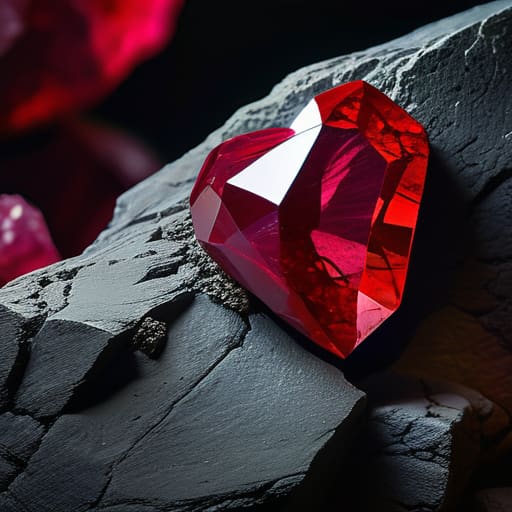
I remember sitting in a cramped, fluorescent-lit grading lab in London, staring through a loupe until my eyes felt like they were full of sand. A dealer had just pushed a stone toward me, swearing it came from a legendary Mogok mine, but the color looked wrong—it had that dull, flat quality of a stone that had been over-treated to hide its true nature. This is where most people get tripped up; they get so caught up in the romantic legends of ancient kings that they forget to look at the actual mineralogy. When you start digging into burmese ruby and the question of provenance, you realize that a fancy certificate is often just a very expensive piece of paper designed to mask a lack of geological truth.
I’m not here to sell you on the “magic” of the East or inflate your ego with marketing jargon. My goal is to strip away the hype and show you how to look at the chromium content and the crystal structure to see if the story actually holds water. I will teach you how to distinguish a genuine piece of Myanmar history from a clever lab-grown imitation or a stone from a completely different locality. Once you understand the physical reality of the stone, you can decide whether to keep it for its investment value or simply because you love the way it catches the light.
The Mogok Valley Gemstone History Where the Legends Began
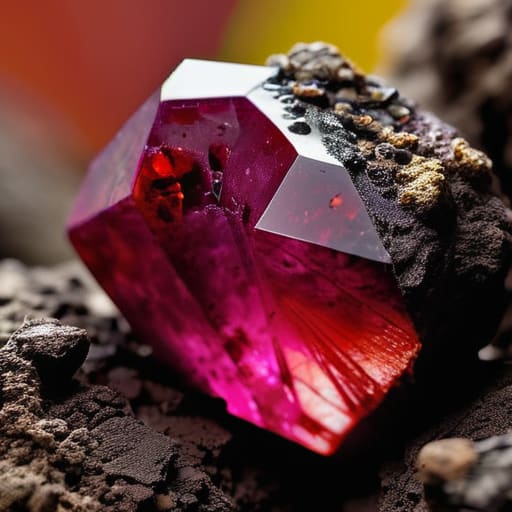
The Mogok Valley has always been a strange, beautiful place to look for color. When I think of the stones coming out of that specific patch of Myanmar, I don’t think of spreadsheets; I think of that deep, pigeon-blood red that looks like a bruise on a piece of fruit—dark, saturated, and heavy. For centuries, the Mogok Valley gemstone history has been written in the dirt of these hills. It wasn’t just about mining; it was about a specific geological fluke that produced corundum of a quality you simply don’t find anywhere else.
But history isn’t always clean. The same veins of red that drew explorers and kings also drew much more complicated actors. Because the region has faced so much upheaval, the traceability in precious stones from this area has become a massive headache for anyone trying to do things the right way. You aren’t just looking for a pretty stone; you’re looking through layers of political shifts and local skirmishes that have shaped the trade for generations. It’s a heavy legacy to carry, even for a stone that looks as simple as a drop of spilled wine.
Burmese Ruby and the Question of Provenance What You Must Know
When you start looking into the actual supply chain, things get complicated quickly. In a perfect world, every stone would have a digital passport, but the reality of the Myanmar gemstone trade regulations is often a mess of paperwork and shadow markets. Because much of the mining happens in remote, politically unstable areas, traceability in precious stones is rarely a straight line from the earth to your ring finger. You might see a stone labeled “Burmese,” but without a clear trail, you’re often just taking a seller’s word for it.
This is where you have to look for more than just a pretty color. I always tell people to prioritize ruby gemstone certification authenticity from reputable, independent labs rather than just trusting a retail certificate. You want to see a report that confirms the stone is natural and, ideally, provides a clear origin. It’s not just about the chemistry; it’s about knowing if your purchase is contributing to conflict gemstone ethical sourcing issues. Once you understand the paper trail, you can decide if the stone’s history aligns with your own values.
Synthetic vs Natural Ruby Identification Seeing Through the Clever Masks
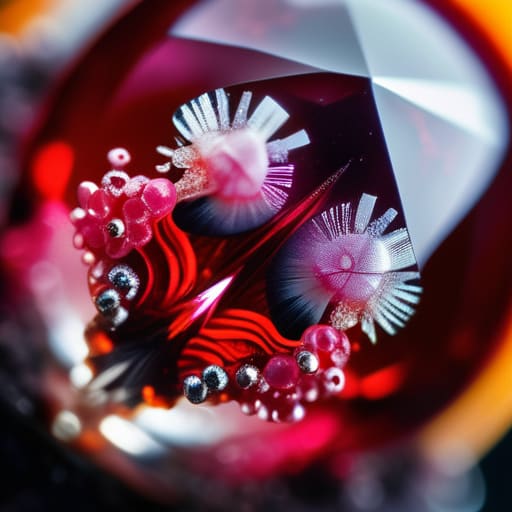
When you sit down with a loupe, the first thing you’re looking for is the “imperfection” that a machine can’t quite replicate. Synthetic rubies are grown in labs using methods like the Verneuil process, which results in stones that look almost too perfect. Under magnification, a synthetic often shows straight, parallel growth lines—kind of like the striations you see in certain sedimentary rocks, but far too orderly. A natural stone from the Mogok Valley, however, will have internal inclusions that look chaotic and organic, often including tiny crystals of rutile that look like needles trapped in ice.
If the stone looks as clear and uniform as a piece of hard candy, my internal alarm bells start ringing. Real rubies are messy; they have a history of pressure and heat that leaves behind fingerprints. This is where synthetic vs natural ruby identification becomes a game of spotting the “too good to be true” clarity. I always tell my clients that if a ruby lacks these tiny, jagged flaws, it’s likely a lab-grown mask. It isn’t a crime to love a synthetic, but you should know exactly what you’re holding before you pay a premium for a “natural” label.
Ruby Gemstone Certification Authenticity Trusting the Paper or the Stone
I’ve sat in labs where a piece of paper from a reputable institution carries more weight than the stone itself, but that’s a dangerous way to shop. A certificate is just a snapshot in time; it tells you what a specialist saw under a microscope on a Tuesday in July. While a high-quality report is vital for ruby gemstone certification authenticity, you can’t let the document do the thinking for you. I always tell my clients to look past the fancy letterhead and look back at the stone. If the paper claims it’s a pigeon-blood ruby from a specific mine, but the stone looks like a dull, dried-out brick, the paper isn’t going to change the physics of the mineral.
The real challenge lies in the murky waters of traceability in precious stones. Because of the shifting landscape of Myanmar gemstone trade regulations, a certificate might tell you a stone is natural, but it won’t always tell you the full story of its journey to your hand. You have to weigh the laboratory’s findings against your own intuition and the physical evidence of the gem. At the end of the day, a certificate is a tool, not a guarantee of a clean conscience.
Traceability in Precious Stones Following the Trail of the Red Light
When I talk about traceability in precious stones, I’m not talking about some abstract concept from a corporate boardroom. I’m talking about the physical path a stone takes from a muddy pit in a remote jungle to a velvet-lined box in a shop window. For a ruby, that path is often obscured by layers of middlemen and shifting Myanmar gemstone trade regulations. It’s easy for a stone to lose its identity halfway through the journey, becoming just another red pebble without a clear history.
If you want to know where your stone truly came from, you have to look past the shiny surface. Real traceability means being able to map the chain of custody, ensuring that the piece you hold isn’t tied to the darker side of the industry. I’ve seen too many sellers gloss over the complexities of conflict gemstone ethical sourcing because it’s easier than being honest. It isn’t enough to just have a piece of paper; you need to understand the transparency of the supply chain. Once you know the trail, you can decide if the stone’s journey aligns with your own values.
Myanmar Gemstone Trade Regulations Navigating the Shifting Sands of Law
Navigating the legal landscape of Myanmar is less like following a map and more like trying to read a tide chart in a storm. The Myanmar gemstone trade regulations are notoriously fluid, often shifting overnight due to the political instability that has gripped the country for years. For a gemmologist, this creates a massive headache. When the rules governing how stones are extracted and exported change, the paper trail often goes cold. You might see a stone with impeccable paperwork, but in a region where the lines between state-sanctioned mining and unregulated sites are blurred, that paper doesn’t always tell the full story of how the ruby left the ground.
This instability is exactly why the conversation around conflict gemstone ethical sourcing has become so much more urgent. It isn’t just about whether a stone is real—though we’ve already looked at synthetic vs natural ruby identification—it’s about whether the money used to buy it is fueling further unrest. If you are looking for a stone that is “clean,” you have to look past the official stamps and ask how much transparency actually exists in the supply chain. It is a messy, complicated reality, but knowing the risks is the first step in making an informed choice.
Conflict Gemstone Ethical Sourcing Knowing the Cost of Your Treasure
When we talk about conflict gemstone ethical sourcing, we aren’t just talking about spreadsheets and legal jargon; we are talking about the people standing in the mud in remote mining regions. It is easy to get lost in the beauty of a stone that looks like a deeply saturated pool of seawater at dusk, but that red glow can sometimes mask a very messy reality. Because the trade in Myanmar is so complex, it is often difficult to be certain that the money from a sale isn’t inadvertently funding the very instability that makes the region so volatile.
I’ve spent enough time looking through a loupe to know that a stone doesn’t carry a moral compass, but the supply chain behind it certainly does. While traceability in precious stones has improved with better digital tracking, the reality on the ground remains unpredictable. You might find a piece with impeccable documentation, or you might find one with a murky history. I’m not here to tell you which one to buy, but I am here to tell you that being aware of the human cost is part of owning something truly precious.
The reality of the red
A ruby from Mogok isn’t just a piece of corundum; it’s a geological fingerprint of a specific valley, but in a market flooded with synthetics and mislabeled stones, that fingerprint is getting harder to find. You can buy the story, or you can look at the crystal structure, and while I’ll always tell you which one is which, I won’t tell you which one is worth holding in your hand.
Dagny Solheim
Final thoughts on the red light
We have covered a lot of ground, from the geological magic of the Mogok Valley to the messy, complicated reality of modern trade regulations and ethical sourcing. Identifying a ruby isn’t just about spotting the difference between a lab-grown spinel and a natural corundum; it is about understanding the entire chain of custody. Whether you are looking at a certification report or tracing the physical history of a stone, remember that provenance is a puzzle made of many pieces—some are clear as glass, and others are as murky as a fjord after a storm. You now have the tools to look past the marketing gloss and see the actual mineral composition and the human cost behind it.
At the end of the day, a ruby is a piece of the earth that has survived millions of years of heat and pressure to end up in your hand. It is a tiny, red miracle of chemistry. Whether you buy your stone because you want a piece of history, a high-performing investment, or simply because you love the way the light hits it when it’s wet and bright, that is your choice to make. My job is just to make sure you know exactly what you are holding. Once you know the truth of the stone, the rest of the story belongs to you.