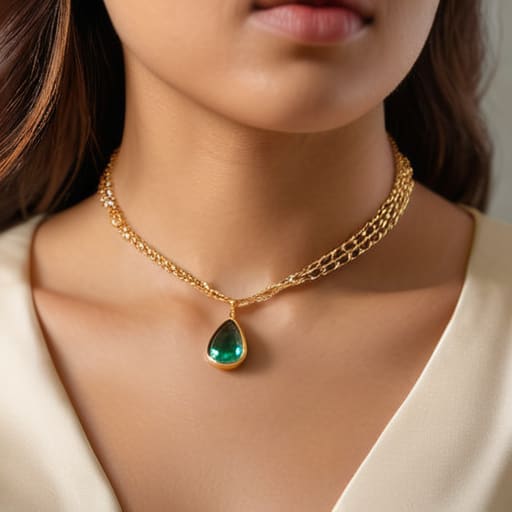
I spent six years in a grading lab, hunched over a microscope until my neck ached, looking at inclusions that most people would never notice. I’ve seen enough “designer” sets to know that most people are being sold a story rather than a stone. You see these curated layering necklaces set with different stones online, marketed with all this heavy mystical language about energy and alignment, but more often than not, you’re just looking at dyed quartz or glass masquerading as something rare. It’s frustrating to see people pay premium prices for a cluster of stones that have no more geological character than a handful of gravel from a driveway.
I’m not here to sell you on the “vibrations” of a garnet or a piece of amethyst. My goal is to give you the actual chemistry and the visual truth behind what you’re wearing. I’ll show you how to spot the difference between a genuine labradorite with its natural flash and a cheap imitation, and how to build a layering necklaces set with different stones that actually makes sense from a mineralogical standpoint. Once you know which stones are real and which are just pretty bits of glass, what you choose to do with them is entirely up to you.
Understanding Layering Necklaces Set With Different Stones
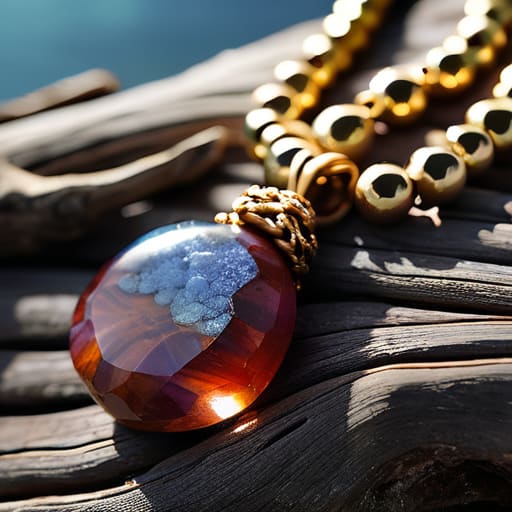
When you start mixing stones, you aren’t just playing with fashion; you’re playing with light refraction and mineral chemistry. I tend to look at it through the lens of how the light hits the surface. A piece of labradorite has that internal flash—that schiller effect—that looks like moonlight hitting a dark tide pool, while a clear quartz is just steady and bright. When you’re looking at mixed gemstone necklace combinations, the goal isn’t necessarily to match them, but to balance their visual weight. If you pair a heavy, opaque jasper with a translucent amethyst, you create a sense of depth that a single-stone piece just can’t mimic.
The trick to successful boho chic gemstone layering is managing the “visual noise.” If every stone in your stack has a high refractive index—meaning they all sparkle like wet sea glass under a bright sun—they’ll fight each other for attention. I prefer a mix of textures: something matte and earthy, like turquoise, paired with something sharp and clear. It keeps the eye moving. Once you understand the grit and the glow of what you’re wearing, the styling becomes much more intuitive.
Key Things to Know
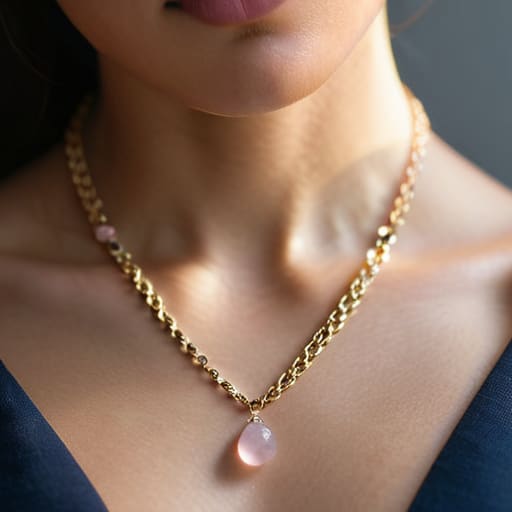
First, let’s talk about the physical reality of what you’re wearing. When you are looking at mixed gemstone necklace combinations, you need to consider the weight and the scale. A heavy piece of labradorite sits differently against the collarbone than a tiny, translucent piece of rose quartz. If you try to stack three heavy, chunky stones, they’ll tangle and fight for space, pulling at your neck. I prefer starting with a dainty crystal necklace set as a base—something light that sits high—and then adding one singular, more substantial stone further down to create a visual anchor.
The second thing is the light. Because stones interact with light based on their refractive index, your layering strategy should account for how they catch the sun. I tend to look at color coordination for layered jewelry through the lens of saturation. If you pair a deep, forest-green emerald with a pale, milky moonstone, the contrast works because the textures are different. If you go for stones that are all the same “wetness”—that same muddy, opaque teal—they just blur together into one messy line. You want a bit of a spectrum to make the individual minerals actually pop.
Practical Tips and Steps
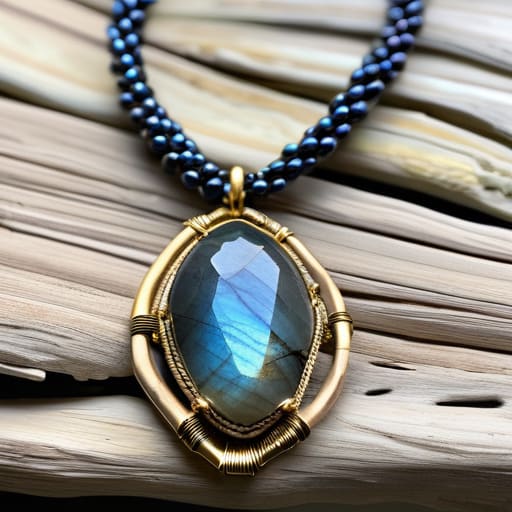
Start with your anchor. When I’m putting together mixed gemstone necklace combinations, I always pick one “heavy” piece first—something with a bit of weight or a larger stone, like a labradorite or a piece of rough quartz. Once that’s settled, you build upward with thinner chains. For those aiming for a boho chic gemstone layering look, don’t worry about perfect symmetry. In fact, it looks better if it’s a bit messy, like the tide pulling pebbles across a beach. Just ensure the lengths vary enough so the stones don’t tangle into a single knot of metal.
If you are worried about the visual clutter, focus on the neckline pairing for layered jewelry. A low-cut V-neck is a great canvas for stones that have a bit of depth, whereas a high turtleneck works better with dainty, bright pieces that sit closer to the collarbone. I usually check my combinations in a mirror to see if the colors are fighting. If you have a deep blue sapphire and a bright green peridot, they might clash unless you find a third, neutral stone—like clear quartz—to act as a buffer between them.
Common Mistakes to Avoid
The biggest mistake I see when people try mixed gemstone necklace combinations is a total lack of weight management. It isn’t just about the look; it’s about the physics of the chain. If you pair a heavy, raw labradorite pendant with a tiny, delicate gold chain, the weight of the stone will eventually stretch and warp that thin link. I’ve seen enough snapped necklaces in my time to know that you have to match the scale of the mineral to the strength of the metal.
Another trap is getting lost in the “meaning” and forgetting the visual reality. People often chase a specific boho chic gemstone layering look by grabbing every stone that promises a different energy, only to end up with a cluttered mess that looks like it fell out of a pocket. They ignore how the light hits the facets. If you have one stone with a deep, ocean-wet teal hue and another that is a bright, glassy pink, they might fight rather than flow. You don’t need a dozen different stones to make a statement; you just need to ensure they don’t compete for the same bit of attention.
Final Thoughts
At the end of the day, whether you are aiming for a polished look or a more relaxed boho chic gemstone layering style, the physics of the stones remains the same. I don’t care if you choose your pieces because you like the way a deep blue sapphire looks like the North Sea in a storm, or because you think the mineral properties will change your mood. My job is simply to help you see the difference between a genuine specimen and a piece of dyed glass. Once you know the composition of what you’re wearing, the aesthetic choices are entirely yours.
When you start experimenting with mixed gemstone necklace combinations, don’t feel pressured to follow a strict rulebook. You might find that a heavy piece of labradorite needs a different neckline pairing for layered jewelry than a tiny, dainty quartz. Trust your eyes. If the weight feels right and the colors—even if they look like something you’d find scoured on a wet pebble—make sense to you, then you’ve done it correctly. Just keep an eye on the settings and the stone quality, and the rest is just personal expression.
## The Logic of the Layer
When you layer different stones, don’t just chase a look; look at the chemistry. A piece of labradorite with that flash like a wet slate stone looks best against the steady, grounded weight of a garnet, not a string of cheap glass beads that will never hold their light the same way.
Dagny Solheim
A Final Look at the Layers
At the end of the day, layering necklaces isn’t about following a rigid set of rules found in a fashion magazine; it is about managing scale, weight, and material. We’ve talked about how to balance different chain lengths so they don’t tangle into a knot, and how to mix your minerals—like pairing a deep, forest-green Malachite with a pale, milky Moonstone—without making the whole look feel cluttered. Most importantly, we’ve looked at how to spot the difference between a genuine specimen and a piece of dyed glass. If you can identify the actual mineral composition and ensure the metals are sturdy enough to hold the weight, you have already won half the battle against a messy, disorganized aesthetic.
Whether you are wearing these stones because you love the way the light hits a faceted Labradorite or because you find comfort in the weight of a piece against your skin, the choice is yours. I don’t care if you see them as geological marvels or as tools for your own personal rituals; I just want you to wear something real. There is a specific kind of satisfaction in knowing that the stones resting against your collarbone have a history that spans millions of years, long before they were ever polished into a bead. So, go ahead and mix your textures, play with your lengths, and trust your own eye when you look in the mirror.
