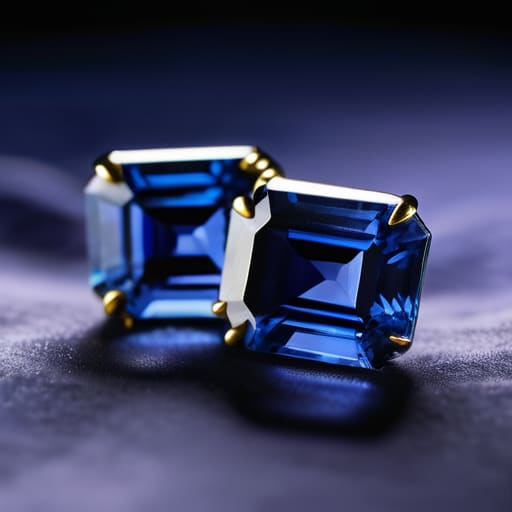
I remember sitting in a cramped grading lab in London, the air smelling of ozone and stale coffee, staring through a loupe at two sapphires that were supposedly “identical twins.” On paper, they were a match; in reality, one had a saturation like a deep, midnight ocean and the other looked like a faded, sun-bleached pebble. People will try to sell you on the idea that you can just pick any two stones and call it a day, but matching a pair of coloured stones is never just about the weight or the carat. It’s about the subtle, frustrating differences in how light plays through the crystal lattice, and if you aren’t careful, you’ll end up with a set of earrings that look like they belong to two different people.
I’m not here to give you a lecture on metaphysical vibrations or tell you that the universe will align your jewelry. Instead, I’m going to show you the technical reality of what you’re actually looking at. I’ll walk you through how to compare hue, tone, and saturation so you can spot the mismatch before you hand over your money. Whether you’re making a bespoke piece or just want a balanced set, I’ll give you the tools to ensure your stones actually belong together.
Understanding Matching a Pair of Coloured Stones
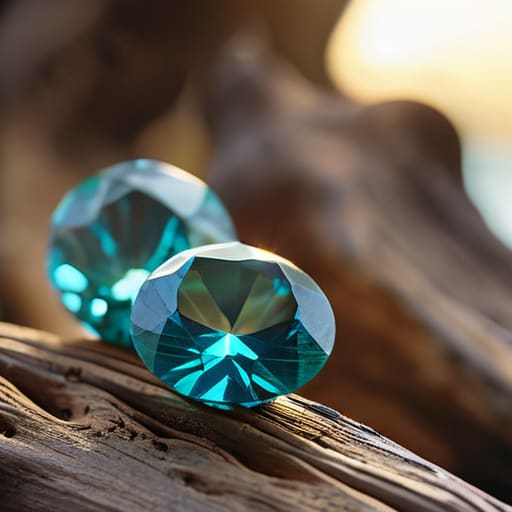
When you’re looking for a pair, you aren’t just looking for two stones that look “about the same.” You’re looking for twins. In the lab, we talk about matching gemstone hue and saturation, but in practice, it’s about how the light hits them. I always think of it like looking at two pebbles pulled from the same tide pool; they might be the same species, but one might look like a bruised plum while the other looks like a piece of wet seaweed. If one stone is a deep, saturated teal and the other is a pale, watery mint, they’ll fight each other the moment they are set in metal.
To get it right, you have to look past the initial flash. I start with the chemistry—is the mineral composition truly identical? From there, I move to the physical geometry. You need to check for gemstone clarity and cut consistency to ensure one doesn’t look “busier” than the other due to internal inclusions or a different facet pattern. If one stone has a heavy, dark heart and the other is bright and transparent, the symmetry of the finished piece will always feel slightly off.
Key Things to Know
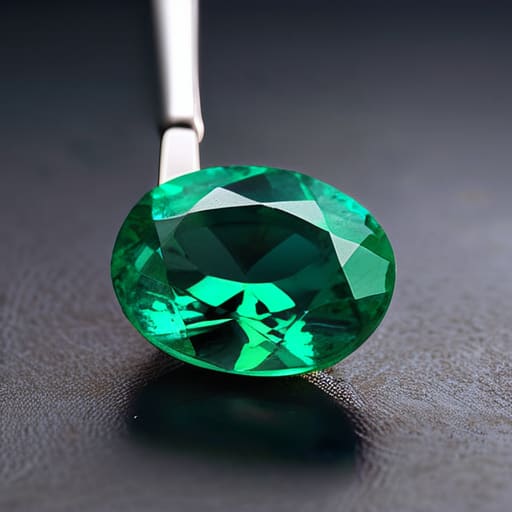
First, you have to accept that nature doesn’t work in copies. Even if two stones come from the same pocket of earth, they aren’t twins. When you are identifying identical gemstone pairs, you aren’t looking for perfection—that’s a fool’s errand. You are looking for harmony. I always start with the light. If you hold them side-by-side, does one look like a deep forest pool while the other looks like a shallow, sun-bleached puddle? You need to look closely at the matching gemstone hue and saturation to ensure one doesn’t feel heavy and the other feels washed out.
Then there is the geometry of it. A stone might have the right color, but if the facets are cut at different angles, the light will dance through them unevenly. I look for gemstone clarity and cut consistency to make sure the sparkle is synchronized. If one stone has a sharp, electric flash and the other is dull and sleepy, the mismatch will drive you mad once it’s set in metal. It’s about finding two distinct individuals that happen to speak the same language.
Practical Tips and Steps
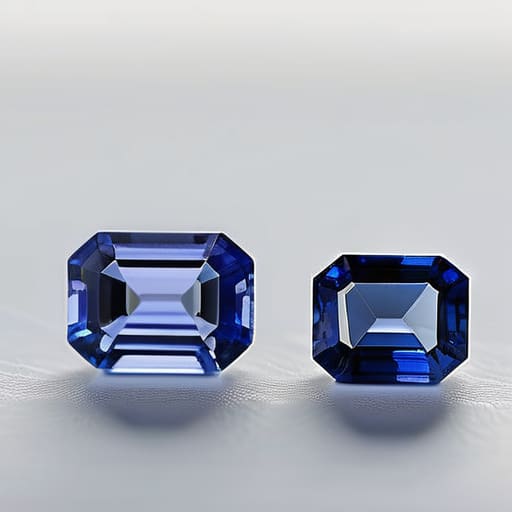
First, lay your stones out on a plain white surface under natural, indirect light. I’ve learned the hard way that overhead office lights or warm lamps can lie to you, making two different stones look like twins. To start identifying identical gemstone pairs, you need to look past the initial flash. Hold them up side-by-side and check the gemstone clarity and cut consistency. If one stone has a tiny, needle-like inclusion and the other is perfectly clean, they will never look right together in a single piece of jewelry, no matter how similar the color seems.
Next, focus on the way the light interacts with the facets. Even if the mineral is the same, a slight variation in how the pavilion is cut can change how the light bounces back. I always look for matching gemstone hue and saturation by checking if one stone looks “sleepy” or dull compared to its partner. If one looks like a deep forest green after a rainstorm and the other looks like a pale, washed-out moss, they’ll fight each other on the finger. Look for that shared, vibrant depth that makes them feel like they belong to the same geological event.
Common Mistakes to Avoid
The biggest mistake I see is people relying solely on a single glance under a lamp. You might think two stones look identical, but once you sit them side-by-side under a loupe, the differences scream at you. It is easy to overlook gemstone clarity and cut consistency when you are distracted by a bright price tag. One stone might have a tiny, pinhead-sized inclusion that the other lacks, or a facet might be cut just a fraction shallower, making it catch the light differently. If one stone looks like a deep forest green and the other looks like a mossy puddle after a rainstorm, they aren’t a pair.
Another trap is ignoring the way light interacts with the internal structure. You can spend hours matching gemstone hue and saturation by eye, but if the refractive indices are slightly off because one is treated and the other isn’t, the pair will never truly dance together. I’ve seen many buyers walk away with stones that look fine in a velvet box but look like mismatched cousins once they are set in metal. Don’t rush the process; patience is your best tool when you’re looking for twins.
Final Thoughts
At the end of the day, finding two stones that look like they were born from the same vein of earth is a bit like trying to find two identical waves in the North Sea. You can get close, but perfection is a moving target. Whether you are looking for a pair of sapphires for an engagement ring or just two emeralds to set in a pendant, focus on the fundamentals: gemstone clarity and cut consistency will do more for the visual harmony of your jewelry than chasing a microscopic match in shade.
I’ve spent enough hours under a loupe to know that even the most expensive stones have quirks. If one stone has a slightly different personality, don’t panic. Sometimes, a tiny variation in matching gemstone hue and saturation is exactly what gives a piece of jewelry its character. My advice is to stop looking for clones and start looking for companions. As long as they share the same spirit and structural integrity, they’ll sit side-by-side beautifully. Once you’ve made your choice, the stone is yours; wear it, treasure it, or just keep it in a velvet box. It’s all up to you.
The Truth in the Twins
You can try to force two stones together based on a feeling, but if their chemistry doesn’t line up, you’ll see it eventually. I look for the way the light hits the inclusions; if one stone looks like a deep forest pool after a rain and the other looks like a shallow puddle, they aren’t a pair, no matter how much the jeweler insists they are.
Dagny Solheim
Final Thoughts on the Pair
At the end of the day, matching stones is a bit like looking for two identical shells on a windy beach; you aren’t looking for perfection, you’re looking for harmony. Whether you are checking the refractive index to ensure the light dances the same way, or simply holding them up to the sun to see if the saturation looks like the same shade of deep sea water, you are looking for a shared language. Remember to look past the surface and check the mineral chemistry and the cut. If the stones have the same soul—the same weight, the same hue, and the same way of catching the light—they belong together, even if they aren’t carbon copies of one another.
I know that for some, this is about the technicality of a high-end jewelry setting, and for others, it’s about finding two stones that feel “right” in the hand. I don’t care which one drives you. My job is to make sure you know that a sapphire is a sapphire, regardless of whether it sits in a platinum ring or a velvet pouch on your nightstand. Once you have used your eyes and your tools to confirm they are the real deal, the rest is entirely up to you. Go ahead and make them yours; they’ve already done the hard work of forming over millions of years, so the least we can do is appreciate them properly.
