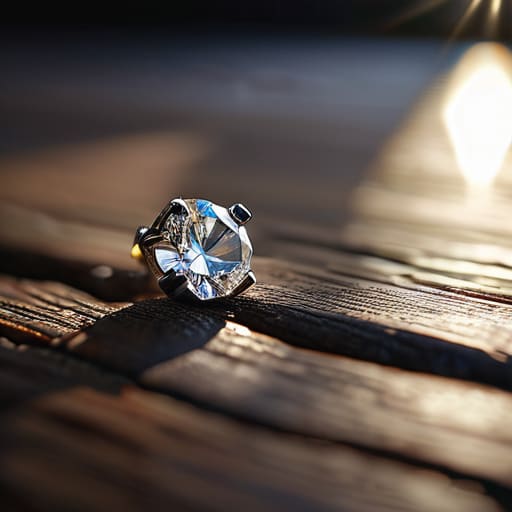
I remember sitting in the lab in Bergen, staring through a loupe at a sapphire that looked like the ocean just after a storm—that deep, bruised indigo. I’d spent hours verifying its inclusions, only to have the client call me a week later because the stone had simply vanished from its setting. It wasn’t some mystical energy shift or a curse; it was just a cheap, flimsy butterfly back that couldn’t handle a bit of daily life. People spend thousands on the mineral composition and the cut, but they completely overlook the mechanics of earring backs and how stones go missing because they’re too busy listening to sales pitches about “auras” instead of physics.
I’m not here to sell you expensive “protective” charms or tell you that your stones are escaping because of your intentions. I’m going to tell you exactly how different metal types fail, why certain tension settings are total nonsense, and how to spot a back that is destined to fail before it hits your earlobe. I’ll give you the practical, unvarnished truth about the hardware, so you can keep your gems exactly where they belong.
The Anatomy of a Vanishing Act Earring Backs and How Stones Go Missing
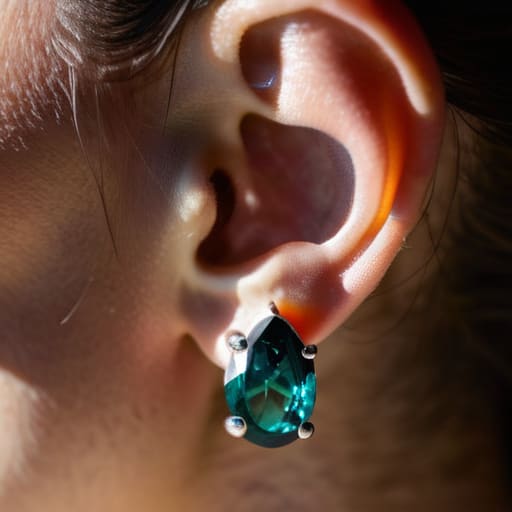
Most people don’t realize a stone is in danger until they feel that sudden, light emptiness where a weight used to be. In the lab, I’ve seen stones fall out of settings not because the metal failed, but because the closure was never meant for the weight of the gem. If you’re wearing a heavy sapphire or a deep, teal-colored tourmaline—the color of the North Sea just after a storm—a simple friction back might not be enough. The physics are simple: gravity and movement are constantly working against you.
Understanding the different types of earring backings is the first step in preventing gemstone loss. You have the standard butterfly backs, which are fine for light studs, and the more robust screw-backs that provide a mechanical lock. Then there are the la pousette or “protector” backs, which use a tension mechanism to grip the post. If your earring feels like it’s sliding too easily, it’s a sign that the tension has failed. I always tell my clients that secure earring closures aren’t just about convenience; they are the only thing standing between your investment and the floor.
Decoding the Different Types of Earring Backings You Own
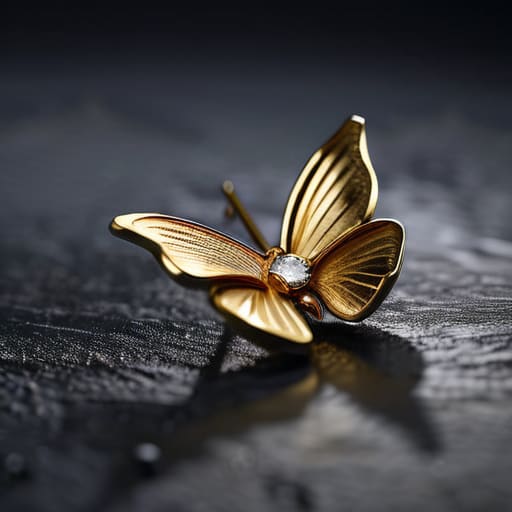
Most people don’t think about their earring backs until they’re staring at an empty setting. If you’re wearing studs, you’re likely dealing with friction backs or butterfly clips. The butterfly back is that classic little metal piece that squeezes the post; it’s fine for everyday wear, but the tension wears down over time. I’ve seen many stones slip out because the metal has become as thin and tired as a worn-out sea pebble. If you want better secure earring closures, look for screw-backs or La Poussette style backs, which use a spring mechanism to grip the post more reliably.
Then there are the hoops and lever-backs. Lever-backs are lovely—they have a hinged wire that snaps shut—but they rely on a tiny hinge that can fatigue. If that hinge weakens, the stone is gone. When looking into preventing gemstone loss, I always suggest checking the tension of these hinges regularly. A quick bit of jewelry maintenance can save you a lot of heartache. Whether it’s a heavy sapphire or a tiny garnet, the way the metal holds the stone is the only thing standing between your jewelry and the floor.
The Hidden Flaws in Your Most Secure Earring Closures
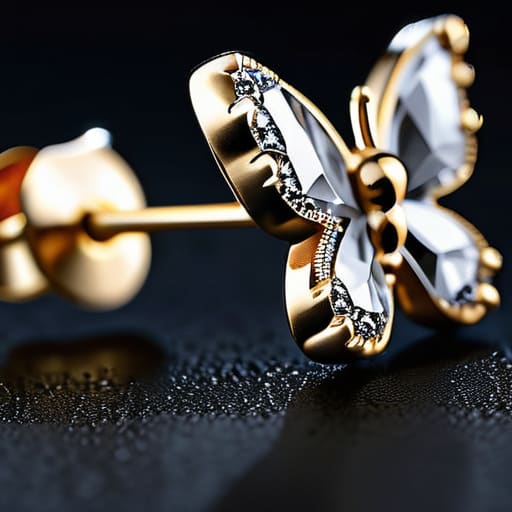
Even the most expensive butterfly backs can fail if you aren’t looking closely. I’ve spent years looking at stones under a loupe, and I can tell you that a tiny bit of skin oil or even a smear of hairspray acts like a lubricant. If that metal tension has even slightly weakened, the backing starts to slide. It doesn’t happen all at once; it’s a slow drift. You might think you have secure earring closures, but if the metal loops of the earring itself are slightly stretched or “open,” the back won’t grip the post correctly. It’s a mechanical failure, plain and simple.
Then there are the screw-backs. They feel incredibly safe, but they are prone to a specific kind of fatigue. Over time, the threads can wear down or become clogged with microscopic debris. If you don’t make jewelry maintenance tips a part of your routine—like checking the tightness once a month—you might find your stone sitting at the bottom of a sink, looking like a piece of sea glass washed up on a grey, morning shore. It isn’t magic; it’s just friction, or the lack of it.
A Practical Earring Back Replacement Guide for the Discerning
If you’ve realized your favorite pair is a bit wobbly, don’t panic. Most people assume a loose post means the earring is ruined, but it’s usually just a matter of finding the right hardware. When you’re looking for an earring back replacement guide that actually works, start by matching the weight of the stone to the tension of the backing. If you’re wearing a heavy sapphire, a standard butterfly back—the kind that looks like a tiny metal accordion—is often too flimsy. You want something with more “bite,” like a La Pousette or a screw-back, to ensure the stone stays put.
For those of us who treat jewelry like a part of our daily kit, a bit of proactive jewelry maintenance tips goes a long way. I always check my settings after a long day or a dip in the sea; salt and skin oils can make metal slide more easily. If you find a setting is consistently failing, don’t just keep shoving the same back on it. Take it to a jeweler to see if the post itself needs tightening. Preventing gemstone loss is much easier when you stop fighting the hardware and start choosing pieces that actually suit the weight of the stone.
Mastering Jewelry Maintenance Tips to Keep Your Stones Tethered
I’ve spent enough hours under a loupe to know that even the most expensive sapphire won’t stay on your ear if the mechanics behind it are neglected. Most people think maintenance is just about polishing the surface until it shines like a wet pebble in a tide pool, but real jewelry maintenance tips start with the tension. Every time you put on a pair of studs, give the post a tiny, gentle tug. If it feels like it’s bowing or sliding too easily, the metal has likely fatigued. It’s a simple check, but it’s the difference between a stone staying put and it ending up at the bottom of a drain.
Beyond the physical check, pay attention to the buildup of skin oils and lotions. These substances act like a lubricant, making even the most secure earring closures feel slippery and unreliable. I recommend a quick soak in warm, mild soapy water once a month to ensure nothing is sliding around more than it should. If you notice a post is wobbling, don’t just ignore it; learning how to fix loose earring settings—or knowing when to hand it to a professional—is the only way to truly stop the vanishing act before it starts.
How to Fix Loose Earring Settings Before the Tragedy
If you notice a stone wobbling in its seat, don’t wait for it to hit the pavement. Most people think a loose stone means the entire piece is ruined, but often it’s just a matter of tension. If you have a prong setting—those little metal claws holding the gem—you might be able to perform some minor surgery yourself. Using a pair of specialized jewelry pliers, you can very gently nudge the prongs back toward the stone. I always tell people to work under a good lamp; you need to see exactly where that metal meets the facet. Be careful, though. If you press too hard, you’ll scratch the surface, and a scratch on a sapphire is a permanent scar.
If the setting is a bezel—a solid rim of metal—the fix is a bit more technical. You’ll need to use a burnisher to smooth and tighten that metal wall against the stone’s girdle. This is a core part of preventing gemstone loss before it becomes a crisis. If you aren’t confident, take it to a professional. Knowing how to fix loose earring settings is a great skill, but knowing when to hand it over to a setter is even better.
The Art of Preventing Gemstone Loss Without Fear or Folly
At the end of the day, preventing gemstone loss isn’t about living in a state of constant anxiety or treating your jewelry like it’s made of thin ice. It’s just about being sensible. I’ve spent enough time in labs looking at microscopic inclusions to know that a stone’s beauty is secondary to its security. If you have a pair of heavy sapphire studs, you shouldn’t be wearing them with flimsy friction backs that feel like they might slip off if you sneeze. You need to match the weight of the stone to the strength of the secure earring closures you’ve chosen.
I don’t believe in being precious for the sake of it, but I do believe in a little routine. Think of it like my morning cold-water swims; you check your gear before you dive in. Every few weeks, give your earrings a quick tactile check. If a back feels loose or doesn’t “click” into place, don’t just shove it back in your jewelry box and hope for the best. Whether you are looking for an earring back replacement guide or just a bit of extra tension, taking five minutes to ensure your settings are tight is much better than the heartbreak of finding an empty setting on your dresser.
The Cost of a Loose Connection
A gemstone is just a piece of mineral held in place by metal and luck; if your earring back is failing, you aren’t just losing a piece of jewelry, you’re losing a specific geological history that won’t be replaced by a simple click.
Dagny Solheim
The Final Check
At the end of the day, keeping your stones attached to your ears isn’t about being paranoid; it’s just about understanding the mechanics of what you’re wearing. We’ve looked at how a worn-down butterfly back or a loose tension setting can turn a beautiful piece of jewelry into a sudden, heartbreaking loss. From checking the integrity of your settings to knowing when a screw-back needs a professional tighten, the goal is to move from accidental loss to intentional care. You don’t need to be a gemmologist to notice when a metal feels thin or a stone seems to wobble, but a little bit of regular inspection goes a long way in ensuring your favorites stay exactly where they belong.
I know there is a certain magic in the way a stone catches the light—the way a deep sapphire looks like the North Sea right after a storm, or how a pale aquamarine mimics the color of glacial meltwater. People hold onto these pieces for the stories they tell, whether those stories are about a family heirloom or a bit of luck you bought for yourself. My job is to tell you how the mineral is structured and how the metal holds it, but the emotional weight of the stone is entirely yours to carry. So, check your backs, tighten your settings, and then go out and wear them with the confidence that they aren’t going anywhere.
