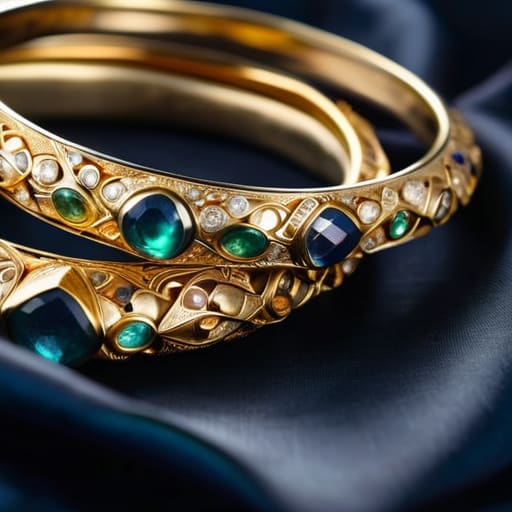
I spent six years in a grading lab, staring through a loupe until my eyes felt like they were full of sand, and if there is one thing I’ve learned, it’s that the jewelry industry loves to overcomplicate the simple things. You’ll see people spending a fortune on “bespoke” gold mounts for a sapphire, only to realize the setting is so rigid it makes the stone feel like a prisoner. Whether you are looking for bangles and flexible bracelets for set stones or something more delicate, the marketing often tries to sell you a sense of “energy” or “prestige” that has nothing to do with how the metal actually holds the mineral. Most of the time, you don’t need a miracle; you just need a setting that understands the physical reality of the stone’s hardness and weight.
I’m not here to sell you on the idea that a bracelet will change your aura. My goal is to talk about the actual mechanics: how a flexible setting protects a fragile stone from a sudden knock against a granite countertop, and how to spot a cheap, mass-produced alloy that will tarnish before you’ve even finished your morning swim. I’ll give you the straight facts on what works, what breaks, and how to ensure your stones stay secure. Once you know the difference between a quality mount and a gimmick, what you choose to wear is entirely up to you.
What the Metal Says About the Soul of Your Stone
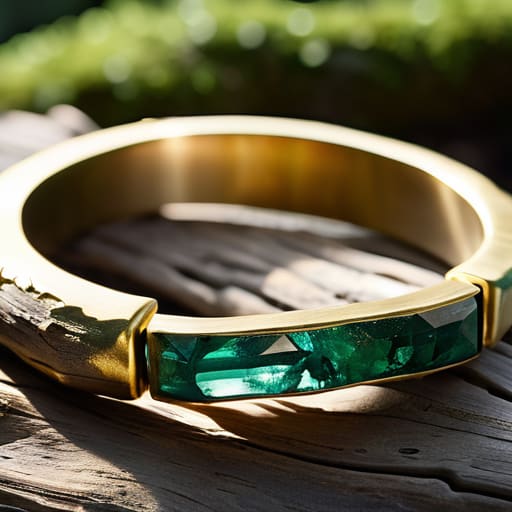
When I look at a piece of jewelry, I don’t just see the mineral; I see how the metal acts as its cage or its pedestal. If you have a deep, forest-green emerald that looks like it was pulled from a mossy fjord, a heavy gold bezel setting can make it feel grounded and ancient. On the other hand, if you’re working with a light, seawater-blue aquamarine, you might want something more airy. Choosing between different gemstone mounting styles changes the entire personality of the specimen. A thick metal rim protects the edge of a softer stone, while thin claws let the light hit the facets from every angle.
I’ve spent enough time under a loupe to know that the way a stone is held affects how it catches the light. For instance, the debate of bezel vs prong settings isn’t just about security; it’s about the visual weight. A prong setting makes a stone feel like it’s floating, almost as if it’s suspended in mid-air, whereas a bezel feels more architectural and solid. Whether you are looking for something delicate or a more substantial piece, the metal is what translates the raw geology into something wearable.
Choosing Bangles and Flexible Bracelets for Set Stones Without Regret
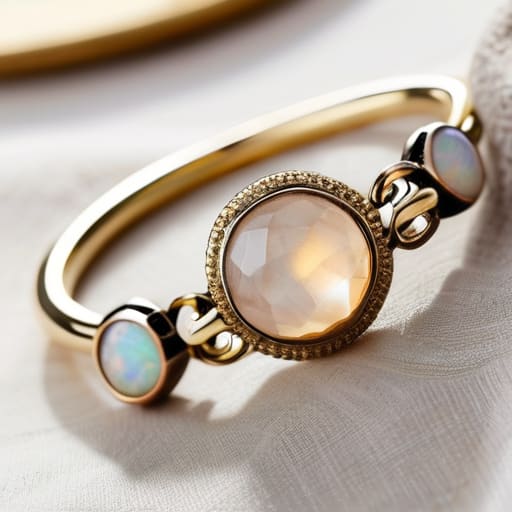
When you are picking out a piece, you have to look past the sparkle and think about how the metal actually holds the mineral. If you have a stone with a softer Mohs rating—something like an opal or a turquoise that looks like a shallow tide pool—you want to avoid anything too aggressive. I usually steer people toward bezel vs prong settings as the first big decision. A bezel setting wraps the metal entirely around the edge of the stone, which is great for protection. It keeps the stone from knocking against a desk or a doorframe. Prongs, on the other hand, let more light hit the facets, which is lovely for a high-clarity quartz, but they leave the edges vulnerable.
You also need to consider how the piece actually sits on your wrist. If you are looking at flexible gemstone bracelet designs, check the tension of the links or the elasticity of the cord. A stone that is set too tightly in a rigid structure can actually crack if the metal flexes too much during daily wear. I’ve seen beautiful pieces ruined simply because the setting didn’t account for the stone’s physical reality. Take your time; a good setting should feel like an extension of the stone, not a cage.
The Truth Behind Bezel vs Prong Settings for Your Gem
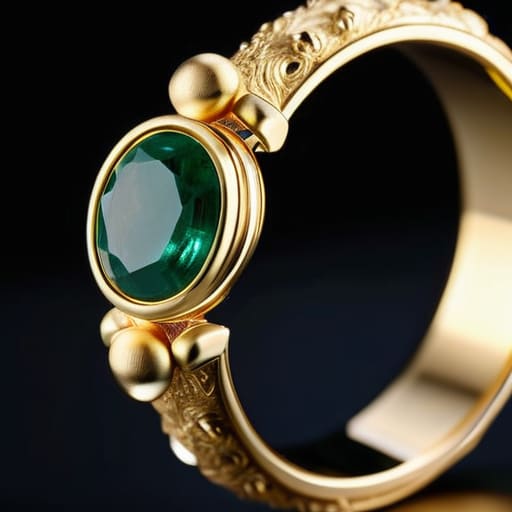
When you look at a stone under a loupe, the way it’s held changes how the light interacts with its chemistry. In bezel vs prong settings, you’re choosing between protection and light. A bezel setting wraps a thin rim of metal entirely around the girdle of the stone. It’s sturdy and keeps the edges safe from the bumps and scrapes that come with wearing a bangle during a busy day. Because the metal covers the perimeter, it can slightly dampen the light, but for a stone with a deep, saturated colour—something that looks like dark forest moss after a heavy rain—that extra security is worth the trade-off.
Prong settings, on the other hand, use small claws to grip the stone, leaving the sides open. This is the preferred choice for maximizing brilliance, especially in stones that rely on light refraction to show off their fire. If you are looking at flexible gemstone bracelet designs, prongs allow the stone to sit “higher” and breathe, catching light from every angle. Just be aware that prongs can snag on a knit sweater or a lace sleeve. It’s a matter of deciding whether you want a stone that is armored and subtle, or one that is exposed and brilliant.
Decoding Luxury Gemstone Bangles and the Craftsmanship Within
When you move from mass-produced pieces to high-end luxury gemstone bangles, you aren’t just paying for a brand name; you are paying for the integrity of the hold. In my years in the lab, I’ve seen too many stones “float” in a setting because the craftsman was more interested in the shine of the gold than the security of the gem. A truly well-made piece shows a marriage between the metal and the mineral. You should look for how the metal meets the pavilion of the stone. In high-quality flexible gemstone bracelet designs, the tension is distributed evenly so that the movement of your wrist doesn’t turn the setting into a lever that pries the stone loose.
The real magic lies in the subtle details of the gemstone mounting styles. If you are looking at a piece with intricate pavé or complex prongs, check for any signs of “lifting” under a loupe. A master jeweler ensures that the metal wraps around the girdle of the stone with surgical precision. Whether you are opting for custom stone setting options or a classic piece, the craftsmanship is what ensures your investment doesn’t end up as a loose pebble at the bottom of your handbag.
Flexible Gemstone Bracelet Designs That Actually Hold Their Weight
When you move away from rigid bangles and into the world of flexible gemstone bracelet designs, you’re introducing a lot of kinetic energy to the piece. A rigid bangle stays put, but a flexible chain or a link bracelet is constantly moving, shifting, and catching the light. This means the structural integrity of the mounting becomes the most important factor. If you have a heavy sapphire or a deep, teal-colored tourmaline—the kind of blue that looks like the North Sea just after a storm—you don’t want it wobbling in a loose basket setting. You need a design where the metal actually hugs the stone.
I often see people gravitate toward delicate, adjustable crystal jewelry because it feels easy, but if the stones are substantial, those thin links can become a liability. For anything with real heft, I prefer looking at custom stone setting options that integrate the gem directly into the links themselves. This way, the stone isn’t just a passenger on a chain; it’s part of the architecture. Whether you’re choosing between various gemstone mounting styles or something more avant-garde, just ensure the metal is doing the heavy lifting so your stone doesn’t end up on the floor.
Finding Balance in Adjustable Crystal Jewelry and Custom Options
When you’re looking at adjustable crystal jewelry, there is a fine line between convenience and a stone that is just bouncing around in its seat. I’ve seen too many sliding knots or cheap spring mechanisms that leave a stone feeling loose, like a pebble rattling in a tin can. If the tension isn’t right, the stone isn’t just uncomfortable; it’s at risk. You want a piece that moves with your wrist, not one that fights against it.
If you have a stone that is particularly precious—perhaps a piece of labradorite with that deep, navy-blue flash like the North Sea during a storm—I always suggest looking into custom stone setting options. Instead of trying to force a specific gem into a pre-made, mass-produced band, having a jeweler build the mounting around the stone’s unique dimensions is much safer. It allows you to choose between different gemstone mounting styles that suit the specific hardness of your crystal. Whether you want the security of a bezel or the light-catching flair of prongs, a custom fit means you aren’t just wearing a piece of jewelry; you’re wearing something that actually respects the mineral’s integrity.
Mastering Gemstone Mounting Styles to Suit Your Own Taste
When you finally pick out a piece, the way the stone is gripped by the metal changes how you see it. If you go for a bezel setting, you’re wrapping the metal entirely around the edge of the gem. It makes the stone look solid, almost like a drop of water caught in a ring of gold. It’s a practical choice, too; it protects the girdle of the stone from getting knocked against a desk or a doorframe. On the other hand, prong settings allow light to hit the facets from all angles, making a sapphire look as bright as if it had just been pulled from a deep, clear tide pool.
Deciding between these gemstone mounting styles really comes down to whether you want the metal to be a frame or a protector. If you are looking at luxury gemstone bangles, you’ll often see more intricate, delicate prongs that prioritize sparkle over sheer durability. If you prefer something you can wear while gardening or swimming in the North Sea, a more secure, enclosed mounting is your best bet. It’s about finding the balance between how much light you want to let in and how much protection the stone needs to stay intact.
The Weight of the Metal
A bangle isn’t just a frame for a stone; it’s a structural commitment. If you’re setting a heavy piece of labradorite, you need more than just a pretty design—you need a metal that won’t warp, or you’ll find your stone looking like it’s trying to escape the setting every time you move your wrist.
Dagny Solheim
The Final Polish
We have covered a lot of ground, from the structural integrity of a flexible bracelet to the way a bezel setting protects a stone from the daily grind. Choosing between a rigid bangle and a more forgiving adjustable piece isn’t just about aesthetics; it is about how that metal interacts with the specific hardness and chemistry of your gem. Whether you are opting for the security of a prong setting or the heavy-duty protection of a custom mount, the goal is to ensure the mechanical connection between the stone and the wearer remains unbroken. Remember to look past the marketing fluff and focus on the physical reality of the craftsmanship—the metal should serve the stone, not just decorate it.
At the end of the day, whether you wear a piece because you love the way the light hits a facet or because you find comfort in the weight of it on your wrist, that is your choice. I see stones as geological marvels, products of heat and pressure that have survived millions of years of tectonic shifts, only to end up set in gold or silver for your enjoyment. Once you have verified that the stone is real and the setting is sound, the meaning you assign to it is entirely yours to create. Wear it well, and keep an eye on those settings.
