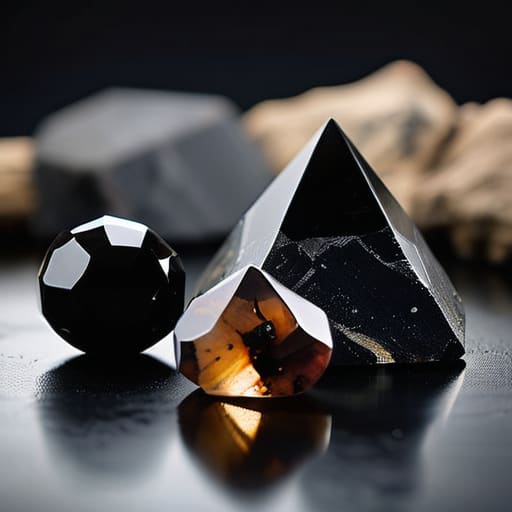
I spent six years hunched over a bench in a grading lab, staring through a loupe until my eyes felt like they were filled with sand. I’ve seen it all: people paying hundreds of dollars for a piece of glass because a shopkeeper told them it had “mystical energy,” and others who can’t tell the difference between a piece of volcanic glass and a high-end onyx. It’s frustrating because when you search for information on black gemstones and how they differ from each other, you usually end up in a rabbit hole of either expensive marketing fluff or vague spiritual nonsense. Most people just want to know if the stone in their hand is actually what the seller claims it is, or if it’s just a polished bit of coal.
I’m not here to sell you a miracle or tell you that a specific crystal will change your life. My goal is much simpler: I want to give you the mineralogical truth. I’ll walk you through the chemistry, the hardness, and the tell-tale signs of the most common dark stones so you can spot a fake from a mile away. Once you know what you’re actually holding, what you decide to do with it is entirely up to you.
The Truth About Black Gemstones and How They Differ From Each Other
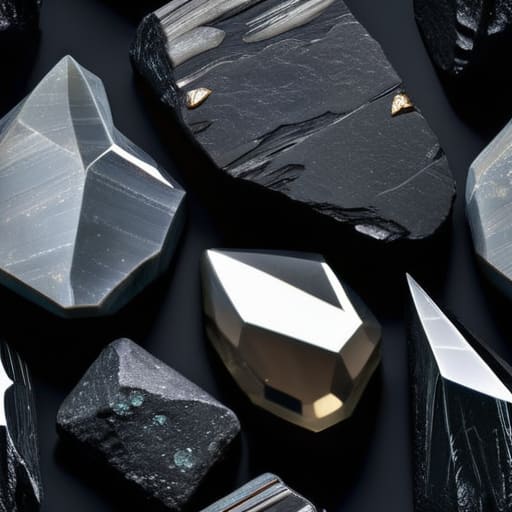
When you look at a tray of dark stones, they all seem to merge into one singular shadow. But if you pick one up, the first thing you’ll notice is the weight and the temperature. Some feel like heavy, cold glass, while others have a lightness that almost feels organic. To understand the black gemstone physical characteristics, you have to stop looking at the color and start looking at the structure. Is it a volcanic glass that shatters into razor-sharp edges, or is it a dense, opaque carbonate that feels smooth and slightly waxy under a thumb?
The real trick is in the details that most sellers hope you won’t notice. For instance, there is a massive difference between jet and tourmaline; one is a lightweight, fossilized organic material, while the other is a complex silicate that can actually carry an electric charge. I spend my mornings looking for these tiny tells—the way light refuses to penetrate a surface or how a crystal lattice reveals itself under a loupe. Once you know the mineral, you know the truth.
Identifying Black Mineral Specimens Before You Open Your Wallet
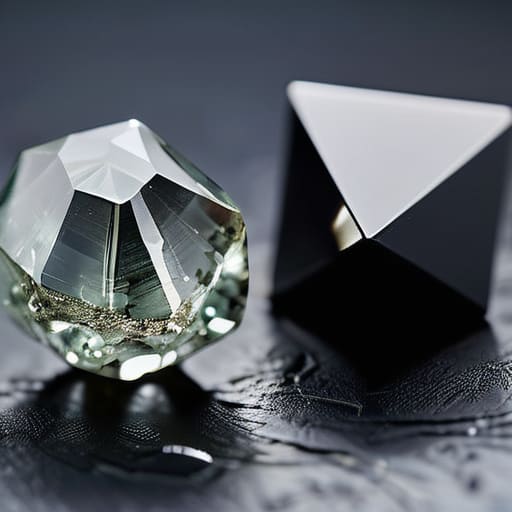
When you’re staring at a dark stone in a shop window, your eyes can play tricks on you. Everything looks like a void until you look closer. To start identifying black mineral specimens properly, you need to move past the color and look at how the light behaves. I always start with a simple touch test and a bit of weight. For instance, if you’re looking at something that looks like onyx but feels strangely light and warm, you might actually be holding jet. There is a massive difference between jet and tourmaline; the former is organic coal that feels almost like wood, while the latter is a silicate that feels much more substantial and glass-like.
You should also look for the “wetness” of the surface. A real piece of obsidian will have a luster that looks like oil spilled on a puddle—it’s vitreous and sharp. If the surface looks dull or plastic-like, walk away. Checking the black gemstone physical characteristics, like hardness and cleavage, is the only way to be sure. I don’t care if you’re buying it to ground your energy or just to make a necklace, but knowing if it’s a volcanic glass or a metamorphic rock is how you know what you’ve actually paid for.
The Real Difference Between Jet and Tourmaline
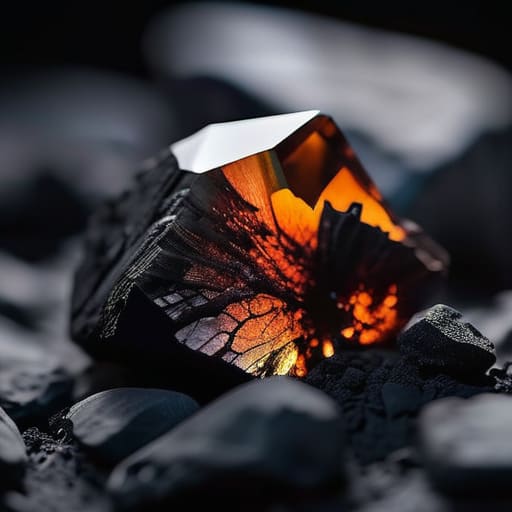
If you’re looking at a dark, lightweight bead, you might be holding Jet. It isn’t actually a stone in the geological sense; it’s a type of lignite, essentially fossilized wood that has been compressed over millions of years. Because of this organic origin, it feels warm to the touch and is incredibly light. When I see it, I think of the color of a burnt log pulled from a dying fire. It’s soft, too—easily scratched—which is a dead giveaway if you’re comparing it to something harder.
Tourmaline, on the other hand, is a complex silicate mineral. It’s much heavier and much harder than Jet. If you drop a piece of tourmaline on a table, it won’t thud like wood; it has a distinct, sharp clink. While people often search for the spiritual significance of black stones like these, the real distinction lies in their chemistry. Tourmaline can sometimes show a subtle, greasy luster, whereas Jet has a more matte, earthy quality. Understanding these black gemstone physical characteristics is the only way to know if you’re buying a piece of ancient history or a piece of mineral wealth.
Hard Facts on the Properties of Black Obsidian vs Onyx
When you’re looking at a dark, polished stone, your eyes can easily play tricks on you. I’ve spent enough hours under a microscope to know that a black surface doesn’t tell you much about what’s happening underneath. The main thing to remember regarding the properties of black obsidian vs onyx is that they belong to entirely different families of geology. Obsidian is volcanic glass—it’s essentially a liquid that cooled too fast to grow crystals. It’s brittle, prone to conchoidal fractures (those shell-like curves you see on a broken edge), and usually has a sheen like a wet crow’s wing.
Onyx, on the other hand, is a variety of chalcedony, which is a microcrystalline form of quartz. It’s much tougher and more resilient than obsidian. While obsidian might shatter if you drop it on a granite countertop, onyx is built to endure. If you are identifying black mineral specimens in a shop, look at how the light interacts with the surface. Onyx tends to have a waxy, solid depth, whereas obsidian can sometimes show tiny bubbles or flow lines from its volcanic origins. One is a frozen moment of heat; the other is a slow-grown mineral structure.
Decoding the Black Gemstone Physical Characteristics You Should Know
When you’re looking at a dark stone, your eyes can play tricks on you. Everything looks like a void until you bring it into the light. To get a real sense of the black gemstone physical characteristics, you have to stop looking at the color and start looking at how the light behaves when it hits the surface. Is it a dull, light-absorbing matte, or does it have that glassy, wet-looking sheen? I always look for the luster first. A stone like obsidian will have a vitreous, almost oily luster—like a dark puddle on a rainy street in Bergen—whereas something like onyx will feel more substantial and waxy under the loupe.
You also need to check the weight and the temperature. If you pick up a piece of jet, it’s going to feel strangely light, almost like it’s hollow, because it’s an organic material. Most other stones will feel dense and cold. While people often search for the spiritual significance of black stones, I find the most grounding thing is simply understanding the weight and the hardness in your hand. Knowing if a stone is going to scratch your ring or if it’s going to shatter if you drop it is the first step to actually owning it.
The Spiritual Significance of Black Stones and Their Hidden Weight
I’ve spent enough time under a microscope to know that a piece of spinel doesn’t care about your aura, but I also know that people don’t buy stones just to look at their chemical formulas. There is a certain weight to these minerals—not just the literal density you can feel in your palm, but a psychological one. When people talk about the spiritual significance of black stones, they are usually looking for a sense of grounding or a way to “absorb” heavy energy. Whether that’s actual physics or just a very effective placebo, I’m not here to argue. If holding a piece of smoky quartz helps you feel steady during a rough week, then the stone has done its job.
However, I do see a lot of confusion when people try to map specific healing properties of dark crystals onto the wrong minerals. Someone might buy a piece of glass thinking it’s obsidian because they read it’s “protective,” but the stone won’t feel right because it lacks the true volcanic history of the real thing. I think it’s better to understand the black gemstone physical characteristics first. Once you know exactly what you’re holding, you can decide for yourself what kind of meaning you want to give it.
What the Healing Properties of Dark Crystals Can Actually Do
When people talk about the healing properties of dark crystals, they usually jump straight to metaphors about “grounding” or “absorbing negativity.” As someone who spent years staring through a loupe at inclusions, I don’t look for energy waves, but I do understand why people reach for these stones. There is a psychological weight to a heavy piece of black tourmaline or a smooth piece of onyx. When you hold something that feels cold and substantial, it acts as a tactile anchor. It’s a physical sensation that can pull you out of a spiral, even if the “healing” is happening in your brain rather than in the mineral’s lattice structure.
I’ve seen collectors spend a fortune on stones because they were promised a specific metaphysical result, often ignoring the actual black gemstone physical characteristics that tell the real story. If you want to use a stone as a tool for mindfulness, go for it. Whether you are using a piece of jet to feel connected to history or obsidian to help you focus, the stone is just the medium. The real work is what you do with that focus once you’ve picked the stone up.
Beyond the Dark Surface
A black stone isn’t just a black stone; it’s a specific chemistry of light and pressure, whether it’s the glassy, wet-look of obsidian or the dense, structural grit of onyx. I’ll tell you the mineralogy so you don’t pay for glass thinking it’s a gem, but whether you hold it for its hardness or for its ‘energy’ is entirely up to you.
Dagny Solheim
Final Thoughts Before You Buy
At the end of the day, distinguishing between a piece of organic jet and a slice of volcanic obsidian comes down to looking past the color. Black isn’t just one thing; it is a massive spectrum of chemistry, ranging from the carbon-based structures of onyx to the complex silicates found in tourmaline. I’ve spent enough hours under a loupe to know that while a stone might look like a void of darkness, its true identity is written in its hardness, its luster, and its specific gravity. If you take nothing else away from this, remember to check the physical facts—the scratch test, the weight, and the way light interacts with the surface—before you assume one stone is another.
Whether you are buying a specimen to display on a shelf, wearing a polished bead for its aesthetic, or keeping a stone in your pocket for a sense of grounding, you deserve to know exactly what you are holding. Science tells us what the stone is, but it doesn’t dictate how you should feel about it. There is a certain quiet dignity in a well-formed black crystal, a weight that feels solid and certain in your hand. Once you understand the mineral reality of what you own, you can move past the guesswork and simply enjoy the stone for what it actually is.
