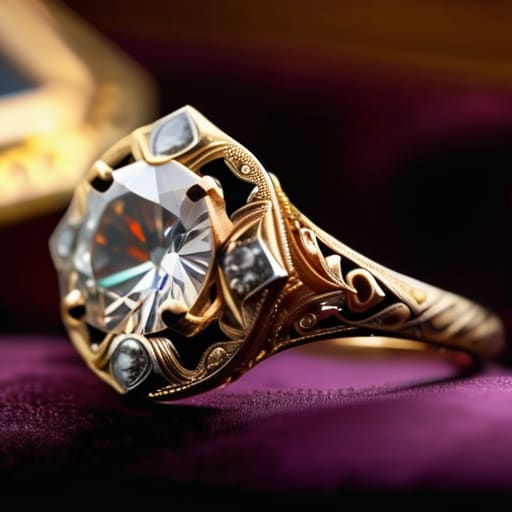
I remember sitting in a cramped grading lab in Bergen, the air smelling of ozone and cleaning solution, staring through a loupe at a ring a woman had brought in after her grandmother passed. She was convinced it was a top-tier sapphire, but under the lens, the inclusions told a much more common story. People often approach inherited jewellery and what to have checked first with a heavy mix of sentimentality and a fear of being swindled, often falling for the “mystical” or “high-value” hype that shops use to pad their margins. You don’t need a shaman or a high-pressure salesperson to tell you what you have; you just need to know the actual chemistry of the stone.
I’m not here to tell you how much your family heirlooms are worth in gold prices, nor am I going to lecture you on the “energy” of a garnet. My promise is simpler: I will give you the technical checklist of what to look for so you can separate the natural minerals from the glass imitations. I’ll show you how to identify the metal, the stone, and the cut, so that when you finally do walk into a professional lab, you aren’t walking in blind.
Understanding Inherited Jewellery and What to Have Checked First
When you first open that velvet box, your instinct is probably to look at the sparkle. But before you start dreaming of what it might be worth, you need to look at the bones of the piece. I always start with the metal. Grab a jeweler’s loupe—or even a decent magnifying glass—and hunt for the tiny stamps near the clasp or inside the band. Identifying precious metal hallmarks is the quickest way to separate a solid gold heirloom from something that’s just gold-plated brass. If those marks aren’t there, or if they look suspiciously shallow, you’re likely looking at costume jewelry rather than an investment piece.
Once you’ve checked the metal, turn your attention to the stones. This is where things get tricky, especially with older pieces where “natural” was a loose term. You’ll want to look for signs of wear; a stone that sits loosely in its setting tells a story of age, but it also tells you about the structural integrity of the piece. The real goal here is detecting synthetic gemstones or heavily treated stones that might be masquerading as high-end gems. A sapphire that looks like a deep, dark puddle of seawater might be magnificent, but you need to know if that color is natural or just a lab-grown imitation before you move forward.
Key Things to Know
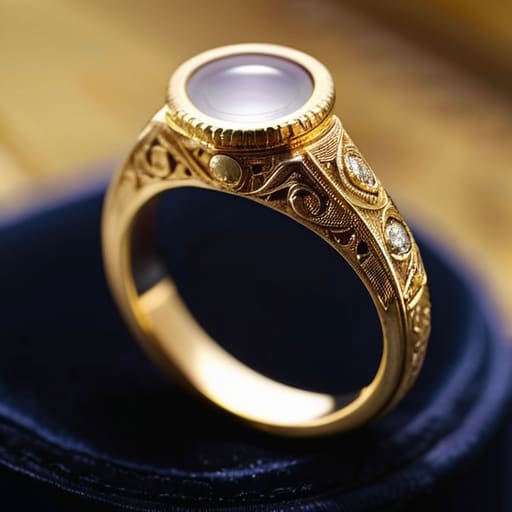
First, look at the metal. Most people assume an old ring is solid gold because it feels heavy, but you need to start by identifying precious metal hallmarks. These tiny stamps are the breadcrumbs of a piece’s history. If you see a “750” or a “18K” stamp, you’re likely looking at high-purity gold, but if the marks are worn smooth or missing entirely, don’t panic—it just means the piece has been handled more than a few times. I always tell people to check the underside of settings; that’s where the real story usually hides.
Next, we have to talk about the stones. This is where things get tricky, especially with older pieces that might have been “enhanced” over the decades. I focus heavily on detecting synthetic gemstones because, to the naked eye, a lab-grown sapphire can look exactly like a natural one plucked from the earth. A professional won’t just tell you the color; they’ll look for the inclusions—the tiny, microscopic “birthmarks” inside the crystal—that prove whether the stone has a geological history or was grown in a furnace.
Practical Tips and Steps
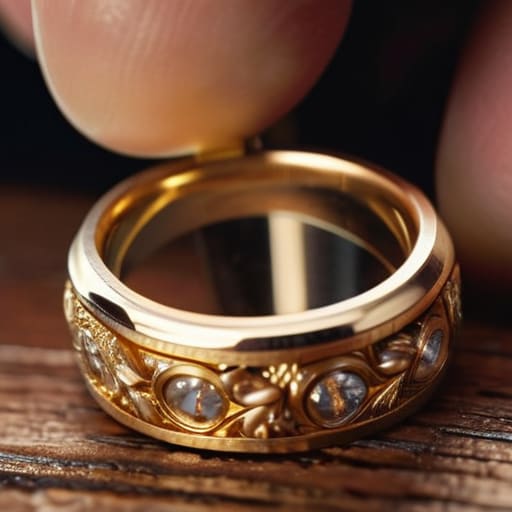
First, grab a magnifying loupe—even a cheap one will do—and look for the tiny stamps on the inside of bands or the clasps of necklaces. This is the start of identifying precious metal hallmarks, like 750 for 18k gold or 925 for silver. If you see “GP” or “RGP,” you’re looking at gold plating over something else, which changes the math entirely. Don’t be discouraged if it’s not solid gold; knowing the truth is better than a surprise later.
Next, look at the stones. If you see a sapphire that looks too perfect, almost like it was poured into a mold, you might be detecting synthetic gemstones. Real stones have “inclusions”—tiny internal flaws or crystals that look like little needles or bubbles trapped in something as clear as a mountain stream. If a stone is flawless and suspiciously cheap, it’s likely lab-grown. If the pieces are truly significant, don’t settle for a guess; ask for professional gemstone certification from a lab that uses microscopes and spectroscopy. It’s the only way to know the difference between a piece of history and a clever imitation.
Common Mistakes to Avoid
The biggest mistake I see is the rush to sell before you actually know what you’re holding. People often walk into a shop thinking they have a rare sapphire, only to find out it’s a piece of glass or a lab-grown spinel. When you’re dealing with older pieces, detecting synthetic gemstones is a specialized skill; you can’t just eyeball it. If you haven’t looked at the inclusions under a loupe, you’re essentially guessing. I’ve seen people walk away from a fortune because they assumed a stone was just “pretty,” without realizing it was a high-grade natural emerald.
Another pitfall is ignoring the metal itself. I’ve had clients bring in beautiful rings where the stone was fine, but the gold was actually a heavy plating that had worn thin. You need to be diligent about identifying precious metal hallmarks before you even think about a price tag. If the stamps are worn or missing, don’t panic, but don’t assume it’s solid 18k gold either. Take it to someone who knows how to test the metal without damaging the piece. It’s better to be certain of the chemistry than to be surprised by the receipt.
Final Thoughts
At the end of the day, an old ring or a heavy gold chain is just a collection of elements—carbon, aluminum, gold, or silica—that happened to find its way into your hands. Whether you want to sell it to fund a trip or keep it in a velvet box because it reminds you of your grandmother, the physical reality of the piece remains the same. My goal isn’t to tell you what it’s worth in kroner or dollars, but to make sure you aren’t being misled by a clever bit of glass or a lab-grown stone passed off as a natural rarity.
If you decide to take the next step, I suggest looking for a specialist who focuses on professional gemstone certification rather than someone just looking to buy your stock. You want someone who will take the time to look at the inclusions under a loupe, not just glance at the sparkle. Whether you are detecting synthetic gemstones or simply verifying a hallmark, do it for the sake of the truth of the object. Once you know exactly what you’re holding, the rest is entirely up to you.
The Value of a Clear View
An heirloom isn’t just a piece of history; it’s a physical thing made of specific minerals and metal alloys. Before you decide if it’s a treasure or just a sentimental trinket, you need to know if that ’emerald’ is actually a piece of green glass or a genuine beryl. Once you know the chemistry, the rest is up to you.
Dagny Solheim
A Final Look at the Stones
At the end of the day, dealing with inherited jewellery is about separating the sentiment from the science. You’ve learned to look past the family stories to see the actual mineralogy—to check the settings, verify the stone types, and know when to call in a professional gemmologist to look through a loupe. Whether you’re holding a piece of high-quality sapphire or just a bit of pretty glass that someone loved dearly, the goal is the same: clarity. Once you understand the difference between a natural gemstone and a lab-grown or synthetic imitation, you can make decisions based on what the stone actually is, rather than what you were told it might be.
Whether you decide to sell a piece to fund a new chapter of your life, or you keep a ring because it feels like a physical connection to someone you lost, that is your choice. A stone doesn’t care if it sits in a velvet box or is sold at auction; its hardness and its chemistry remain unchanged. I find there is a certain peace in knowing the truth of a thing. Once you strip away the mystery and the guesswork, you’re left with something solid and real. Take care of your stones, but more importantly, take care of the stories they tell you.
